








Top Exterior Wall Cladding Materials Explained
 Nov 11, 2024|
 View:4144
Exterior wall cladding is more than just a facade. It's a protective skin for buildings, offering both functional and aesthetic benefits.
Cladding materials can vary widely. They range from traditional options like brick, stone, and wood to modern alternatives such as metal, vinyl, and composite materials.
Each material has its unique characteristics. These include durability, maintenance requirements, cost, and environmental impact.
Choosing the right cladding can enhance a building's appeal. It can also improve its thermal performance and longevity.
This article will delve into the top exterior wall cladding materials. We'll explain their features, benefits, and potential applications.
Whether you're an architect, a builder, or a homeowner, this guide will help you make an informed decision for your next project.
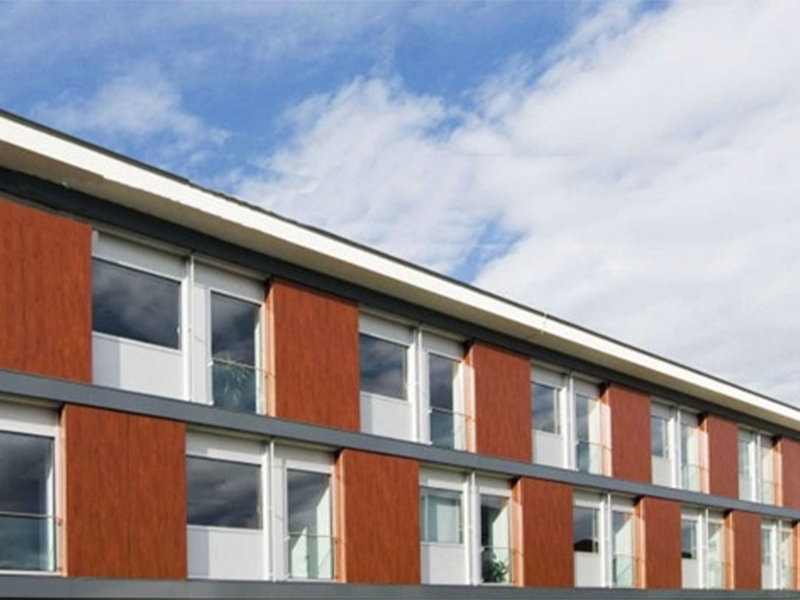
Understanding Exterior Wall Cladding
Exterior wall cladding serves multiple purposes. It acts as a protective layer against weather elements like rain, wind, and sun. This protection helps in increasing the longevity of building structures.
Beyond protection, cladding provides aesthetic value. It offers countless design possibilities, allowing unique architectural expressions. Cladding can transform a building's appearance, giving it a modern, rustic, or traditional look. With so many materials available, the choice of cladding can significantly influence the overall style and feel of any structure. Each type comes with distinct properties that suit various needs and preferences.
The Role of Cladding in Building Design
Cladding significantly impacts a building's design by providing a visual signature. It allows architects to experiment with textures, colors, and forms that complement other elements of design. The right choice enhances the overall aesthetic appeal, making structures stand out.
Moreover, cladding contributes to the building's functionality. It enhances thermal performance by acting as an insulating layer, reducing energy costs. This functional aspect ensures that a building is efficient while still being visually appealing. In essence, cladding bridges the gap between aesthetics and functionality, creating not just beautiful, but also efficient and sustainable buildings.
Factors to Consider When Choosing Cladding Materials
Choosing the right cladding material is a crucial step in any building project. Several factors influence this decision. Each factor plays an essential role in ensuring the cladding not only looks good but also performs well.
The following are key considerations when selecting cladding materials:
Durability and Maintenance: Consider how long the material will last and its upkeep requirements.
Cost and Budget: Balance quality with affordability to fit your financial constraints.
Environmental Impact: Opt for sustainable and eco-friendly materials that align with environmental goals.
Aesthetic Appeal: Choose textures and colors that complement the overall design of the building.
Lastly, think about the local climate and its effect on cladding materials. Different materials perform better in varying weather conditions. Properly assessing all these factors ensures that the selected cladding meets both practical and aesthetic demands, resulting in a well-rounded building exterior.
Traditional Cladding Materials
Brick Cladding
Brick cladding has been a staple in construction for centuries. It offers a classic look and substantial durability. Known for its strength, brick cladding is highly resistant to various weather conditions, providing excellent protection for buildings.
However, brick may require significant foundational support due to its weight. Maintenance is relatively low, but occasional repointing of mortar joints is essential. Despite these needs, the benefits of its aesthetic appeal and longevity often outweigh the drawbacks for many builders and architects.
Stone Cladding
Stone cladding exemplifies elegance and long-lasting appeal. It provides an unparalleled sense of natural beauty and robustness to building exteriors. Natural stone cladding can seamlessly integrate with diverse architectural styles, making it a versatile choice.
On the downside, stone is often more expensive and challenging to install than other materials. Its heavyweight demands a solid support structure, but for many, the timeless charm and durability justify these additional efforts and costs.
Wood Cladding
Wood cladding brings warmth and organic charm to a building's exterior. It's an eco-friendly option that fits well with various architectural designs, offering an inviting and natural aesthetic. Choices like cedar and redwood stand out for their innate beauty and resilience.
Yet, wood requires more maintenance than brick or stone due to potential issues like rot or pest damage. Regular treatment and sealing are necessary to prolong its lifespan. For those who prioritize sustainability and aesthetics, wood cladding remains a favored option.
Modern Cladding Materials
Metal Cladding
Metal cladding is known for its modern aesthetic and durability. Common materials include steel and aluminum, both providing a sleek, contemporary look. Metal cladding is lightweight yet strong, often used in commercial buildings due to its modern appeal and longevity.
While relatively low-maintenance, metal cladding can be prone to denting and requires protection against corrosion. Its reflective surface contributes to thermal efficiency, reducing energy costs. Many architects favor metal for its design flexibility and performance in harsh climates.
Vinyl Cladding
Vinyl cladding is a cost-effective and versatile solution for many homeowners. Available in a multitude of colors and textures, it can mimic other materials at a fraction of the cost. Its lightweight properties ease installation and reduce labor expenses.
Despite its affordability, vinyl can fade or become brittle over time with prolonged sun exposure. However, the low maintenance and ease of replacement make it a popular choice for residential projects seeking budget-friendly exterior wall finishes.
Fiber Cement Cladding
Fiber cement cladding offers a balance of durability and aesthetics. This material is fire-resistant and can withstand various weather conditions, making it a reliable choice for safety and longevity. Its ability to mimic wood or stone broadens its appeal to diverse architectural styles.
Though heavier than vinyl, fiber cement provides excellent thermal resistance, which can lower energy costs. The initial investment may be higher, but its impressive durability and minimal upkeep often compensate for the initial cost.
Composite Materials
Composite cladding materials deliver an innovative mix of wood fibers and plastic resins. This combination results in a durable and eco-friendly product that resists rot and pests. Composite cladding is low-maintenance, with a design flexibility that accommodates modern and traditional styles.
Despite their many benefits, composites can come at a higher price point than some traditional options. Nonetheless, their durability and sustainable nature make them an attractive option for contemporary projects focusing on minimal environmental impact.
Environmental and Energy Efficiency Considerations
When selecting exterior wall cladding, environmental impact becomes a key consideration. Sustainable materials, such as reclaimed wood or recycled metal, offer eco-friendly options. These materials not only minimize waste but also often have a lower carbon footprint, aligning with green building practices.
Additionally, cladding plays a crucial role in a building’s energy efficiency. Properly insulated cladding systems can significantly reduce heating and cooling costs by improving the thermal performance of a building. This efficiency contributes to lower energy consumption, making cladding not just an aesthetic choice, but also a functional component in sustainable architectural design.
Installation, Maintenance, and Durability
Proper installation is critical for cladding materials to perform effectively. A well-installed cladding system extends the building's lifespan, ensuring a robust barrier against weather elements. Incorrect installation can lead to issues like water infiltration and structural damage.
Maintenance requirements vary among cladding materials. While materials like vinyl are relatively low-maintenance, wood cladding demands regular treatment to prevent decay. Durability is another essential factor; metals like steel and aluminum stand up well over time, requiring less frequent repairs and replacements. Opting for durable materials reduces long-term costs and enhances building resilience.
Case Studies: Iconic Buildings and Their Cladding Choices
The Sydney Opera House is renowned for its distinctive cladding. Its roof features a unique ceramic tile composition, reflecting the structure's artistic and functional objectives. These tiles not only enhance visual appeal but also withstand harsh marine environments.
Another example is the Burj Khalifa, which uses glass and aluminum cladding. This sleek combination aids in reflecting sunlight and minimizing thermal heat gain. The choice of materials contributes to the building’s energy efficiency and streamlined silhouette, standing as a testament to innovative architectural design. These iconic examples demonstrate how cladding materials can define a structure's identity and performance.
The Future of Cladding Materials
The future of cladding materials is bright and promising, driven by innovation and sustainability. New developments include smart cladding systems that improve energy efficiency by adapting to weather changes. These advancements not only enhance building performance but also reduce environmental impact.
Emerging trends also embrace eco-friendly materials and methods. The use of recycled components and green certifications are gaining popularity. As architects and builders strive for sustainability, the demand for cladding solutions that align with environmental goals continues to grow. This evolution showcases a commitment to more responsible building practices in the construction industry.
Conclusion: Making the Right Choice for Your Project
Choosing the right cladding for your building involves careful consideration of several factors. It's essential to balance aesthetics, cost, durability, and environmental impact. Each project is unique, and the right material should reflect the specific needs and vision of the design.