







which is better acp or hpl sheet?
 May 29, 2026|
 View:362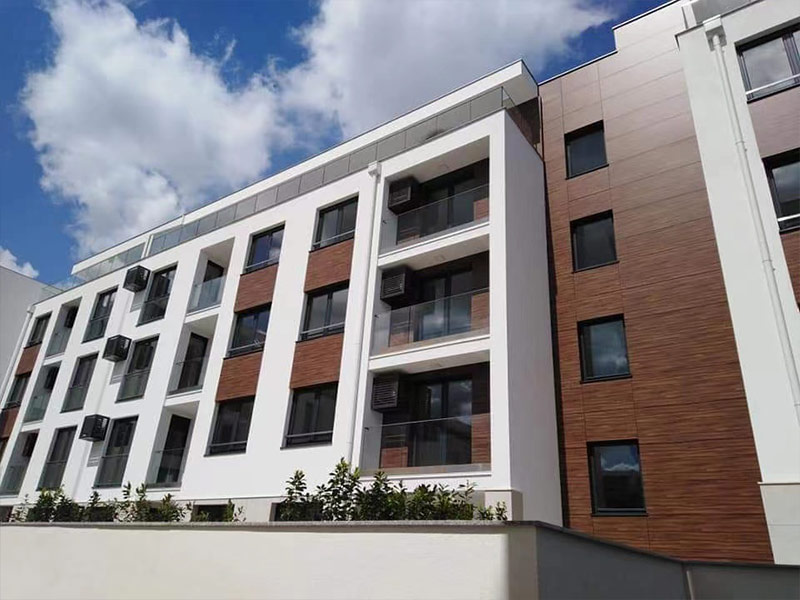
When it comes to exterior cladding, the material you choose shapes not just how your building looks, but how well it holds up for decades.
Two of the most debated options today are Aluminum Composite Panels (ACP) and High-Pressure Laminate (HPL) sheets. Architects, contractors, and building owners frequently ask the same question: which is better, ACP or HPL sheet?
The answer isn't always black and white. ACP offers lightweight construction and quick installation. HPL sheet delivers superior fire resistance, impact strength, and authentic design depth. But the right choice for your project depends on balancing upfront cost, long-term performance, safety requirements, and aesthetic vision.
This guide breaks down every key dimension of the ACP vs HPL sheet debate—material composition, durability, fire safety, cost, design flexibility, and more. By the end, you’ll have a clear, data-backed understanding of which material truly serves your building’s best interests.
Key Takeaways
HPL sheet delivers superior fire resistance (Class B1 rating), impact strength, and authentic wood/stone textures, making it ideal for projects prioritizing long-term safety and aesthetics. ACP is lightweight, budget-friendly upfront, and quick to install, suitable for tight timelines or short-term structures.
HPL offers better long-term value: While ACP costs less initially, HPL sheet’s minimal maintenance and decades-long lifespan often result in a lower total cost of ownership.
Fire safety is where HPL leads: HPL’s all-paper-and-resin composition is inherently fire-resistant. Many standard ACP panels use combustible polyethylene cores, making them a higher risk without additional fire-rated treatments.
HPL excels in natural aesthetics with deep, textured finishes that replicate wood grains, stone veining, and abstract designs. ACP is best for bold, glossy, uniform metallic looks.
ACP has weight and fabrication advantages that matter for certain applications like signage, column covers, and budget-conscious commercial facades.
1. Material Composition: What Are They Made Of?
Understanding what’s inside each panel helps explain their performance differences.
ACP (Aluminum Composite Panel)
An ACP sheet is a sandwich structure. Two thin aluminum sheets enclose a core material—typically low-density polyethylene (LDPE) or, in fire-rated versions, a mineral-filled compound. The outer aluminum layers are often coated with PVDF or polyester finishes for weather resistance. Standard ACP thickness ranges from 3mm to 6mm.
HPL Sheet (High-Pressure Laminate)
An HPL sheet tells a different story. Multiple layers of kraft paper are impregnated with thermosetting resins (phenolic for the core, melamine for the decorative surface), then fused under extreme heat (around 150°C) and pressure (70-100 kg/cm²). The result is a dense, non-porous, monolithic panel—no aluminum, no plastic core, no hollow spaces.
Why this matters: HPL sheet’s uniform composition means it behaves predictably under heat, impact, and moisture. ACP’s layered construction gives it light weight but introduces vulnerabilities at the bond lines and core material.
2. Durability and Structural Performance
Building exteriors face sun, rain, wind, hail, and daily wear. Which material holds up better?
| Performance Factor | ACP Sheet | HPL Sheet |
|---|---|---|
| Impact resistance | Moderate; thin aluminum skins can dent or warp from hail or impacts | Excellent; densified composite construction resists dents and cracking |
| Scratch resistance | Surface coatings can be scratched, revealing different-colored material underneath | Superior; textured surfaces help hide minor wear |
| Weathering / UV resistance | PVDF coatings offer good performance; standard polyester coatings may fade | Excellent; tested for outdoor exposure; maintains color and integrity |
| Moisture resistance | Good; aluminum provides barrier | Excellent; non-porous structure |
| Corrosion resistance | Avoid coastal environments without special treatment; galvanic corrosion can occur | Good; no metal components means no rust |
| Structural rigidity | Good strength-to-weight ratio but can flex under load | High rigidity; dense core provides load-bearing capability |
HPL sheet excels in demanding environments because its monolithic structure eliminates failure points. When properly installed, an exterior-grade HPL sheet resists scratches, stains, and weathering with minimal maintenance—often requiring just soap and water to keep the facade fresh for years.
3. Fire Safety: Where the Difference Matters Most
Fire safety is arguably the most critical factor in material selection, especially for commercial buildings, high-rises, and public spaces.
HPL Sheet Fire Performance
HPL sheet’s composition delivers inherent fire resistance. The phenolic resin in the kraft paper layers does not support combustion. TRSK’s HPL sheets achieve Class B1 fire ratings (China standard), preventing combustion and effectively delaying fire spread.
Independent assessments confirm that HPL achieves excellent fire ratings without special core formulations—its material structure naturally resists burning. For public facilities, hospitals, schools, and airports, HPL sheet provides a level of fire safety that standard ACP simply cannot match.
ACP Fire Performance
Standard ACP uses a polyethylene (PE) core—a combustible material that can melt, drip, and accelerate fire spread. Many building codes now restrict PE-core ACP for certain building heights and occupancies. Fire-rated ACP (FR-ACP) substitutes a mineral-filled core, improving performance, but it comes at a significantly higher cost than standard ACP.
Verdict on Fire Safety
For projects where occupant safety and code compliance are non-negotiable, HPL sheet stands as the clearly superior choice.
4. Cost: Upfront Price vs. Long-Term Value
Cost analysis requires looking at both sides of the ledger.
Initial Material Cost
ACP: Significantly lower upfront cost. Standard ACP panels are among the most affordable cladding options available, making them attractive for budget-conscious projects.
HPL sheet: Higher initial investment due to more complex manufacturing and premium raw materials. TRSK’s HPL sheet MOQ is 200 sheets, with thickness options from 0.5mm to 25mm.
Installation Cost
ACP: Lightweight and easier to handle. Faster installation reduces labor costs.
HPL sheet: Requires proper substructure and professional installation. Heavier framing may be needed, increasing upfront labor.
Long-Term Ownership Cost
This is where the comparison flips.
ACP requires ongoing maintenance. Glossy finishes need regular polishing to maintain shine. Dents may need panel replacement. Coastal installations risk galvanic corrosion.
HPL sheet demands minimal upkeep. A simple wash with mild detergent refreshes the surface for years. No sealing, no polishing, no painting.
Total Cost of Ownership (TCO) Comparison (15-year horizon):
ACP: Lower initial cost × higher maintenance + potential repairs = moderate TCO
HPL sheet: Higher initial cost × near-zero maintenance + no replacements = lower TCO
Investing in HPL sheet upfront often pays for itself through decades of trouble-free performance, while ACP’s lower entry price can mask higher lifetime costs.
5. Design Flexibility and Aesthetics
Material selection is also about visual impact.
HPL Sheet Design Capabilities
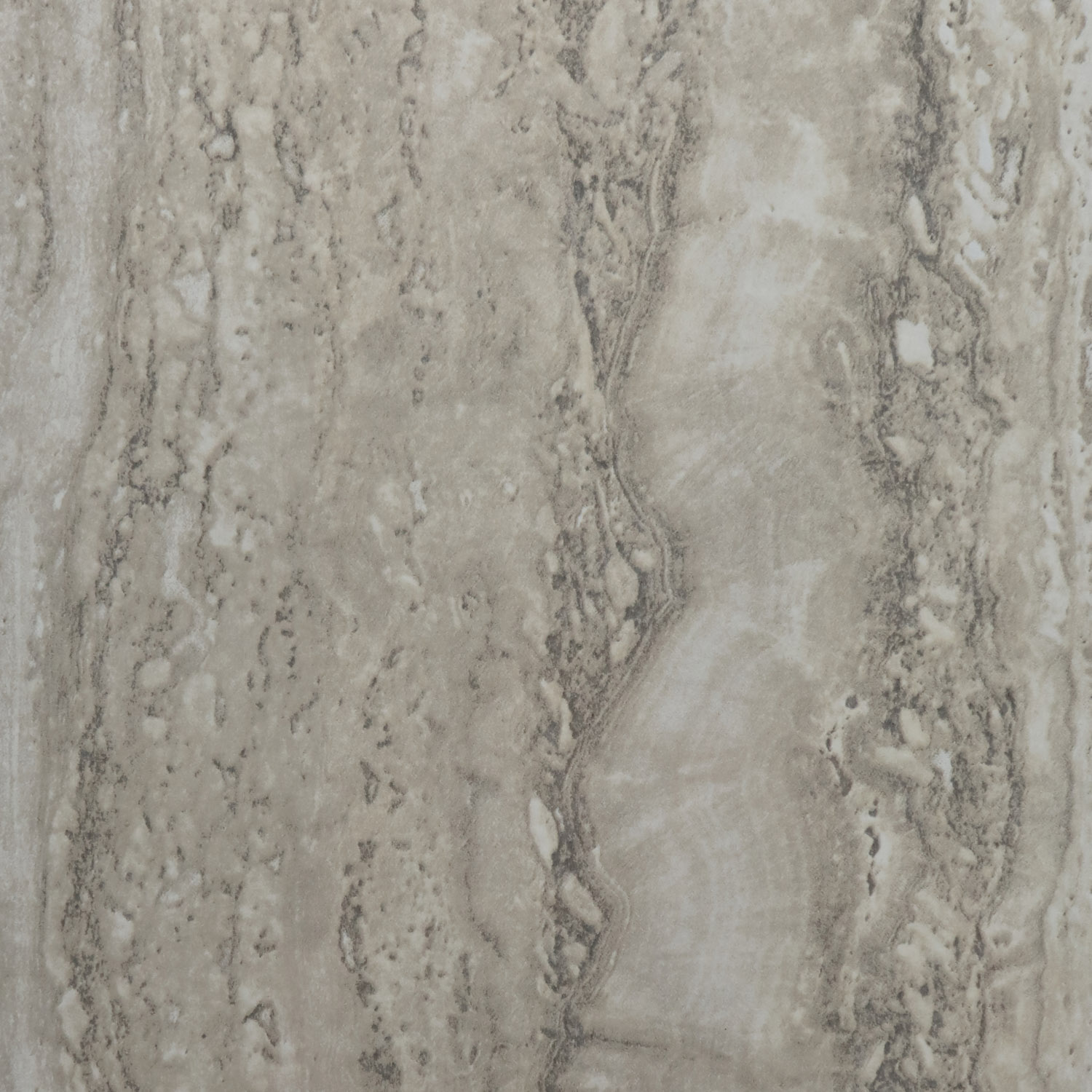
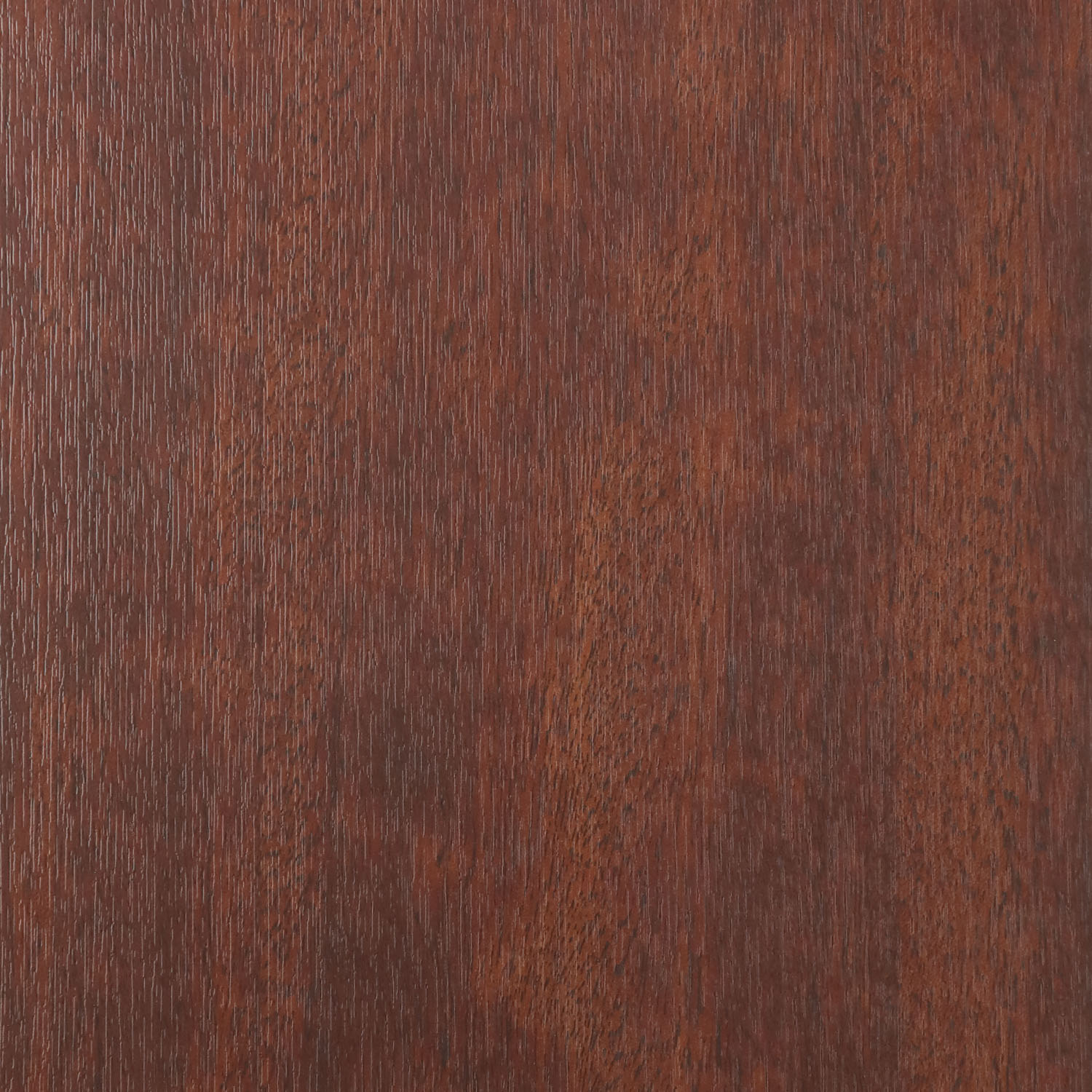
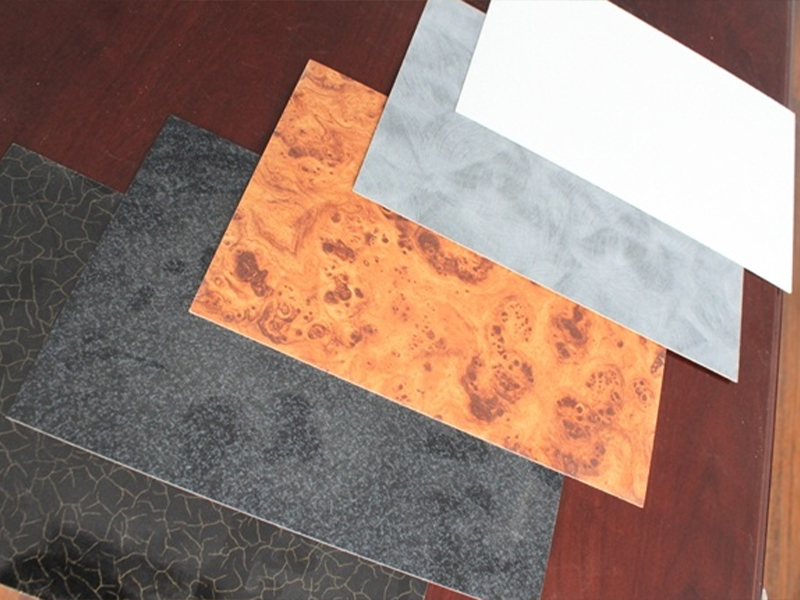
HPL sheet excels in delivering natural, tactile aesthetics. Manufacturers like TRSK offer 200+ design options, including:
Natural replicas: Authentic wood grains and stone textures
Modern minimalism: Solid-color series for cohesive commercial interiors
Custom finishes: Matte, gloss, or 3D embossed textures
Specialty coatings: Antimicrobial, anti-static, or anti-graffiti options
The high-pressure process embeds the decorative layer into the panel surface, creating texture that is durable—not printed on top.
ACP Design Capabilities
ACP shines in bold, uniform colors and high-gloss metallic finishes. It handles the sleek commercial look—think corporate office towers and retail storefronts. ACP’s flatness and formability also make it excellent for curved applications, signage, and column covers.
Verdict on Design
Choose HPL sheet for projects demanding authentic wood/stone aesthetics, textured surfaces, and warmth. Choose ACP for bold colors, metallics, and applications requiring significant bending or fabrication.
6. Installation and On-Site Fabrication
ACP Installation
ACP panels are lightweight and can be cut, routed, and bent using standard metalworking tools. This flexibility allows complex geometries and curved facades. Installation time is generally shorter, a major advantage for projects with aggressive timelines.
HPL Sheet Installation
HPL sheet requires proper substructure framing and professional handling. The higher density makes cutting and routing more demanding than ACP. However, once installed correctly, HPL sheet delivers stronger performance and longer service life.
The key distinction: ACP prioritizes ease of installation; HPL sheet prioritizes end-state durability.
7. Environmental Impact and Sustainability
For LEED projects and eco-conscious builders, material footprint matters.
HPL Sheet Sustainability
HPL sheet is made from cellulose fibers (paper) and thermosetting resins. Many HPL products are FSC-certified, supporting responsible forestry. Low-VOC emissions and compliance with GREENGUARD, E0 formaldehyde standards are common across premium HPL manufacturers.
ACP Sustainability
ACP consists of two aluminum skins bonded to a plastic (often polyethylene) core. The combination of metal and plastic complicates recycling. Manufacturing aluminum is energy-intensive, adding to the embodied carbon footprint. PE cores are petroleum-based, further impacting sustainability credentials.
8. Application Guide: When to Choose Each Material
| Application Type | Recommended Material | Reasoning |
|---|---|---|
| Hospitals, schools, public facilities | HPL sheet | Superior fire safety, durability, low maintenance |
| Hotel facades, resort buildings | HPL sheet | Natural wood/stone aesthetics, weather resistance |
| Laboratory exterior walls | HPL sheet | Chemical resistance, stability |
| Corporate office towers | ACP or HPL | ACP for budget/ speed; HPL for longevity |
| Retail storefronts, signage | ACP | Fabrication flexibility, bold colors, cost efficiency |
| Coastal/marine environments | HPL sheet | No metal components = no corrosion risk |
| Short-term / pop-up structures | ACP | Lower initial cost, fast installation |
Frequently Asked Questions
Q1: Is HPL sheet fireproof?
A: Yes, quality HPL sheet achieves Class B1 fire ratings. TRSK’s HPL panels prevent combustion and effectively delay fire spread, complying with international building safety standards. Unlike standard ACP with combustible polyethylene cores, HPL offers inherent fire resistance without special additives.
Q2: Does HPL sheet fade in sunlight?
A: Exterior-grade HPL sheet is engineered with UV-resistant surface layers. While all materials experience some color shift over decades, premium HPL maintains visual integrity far longer than standard coated ACP panels.
Q3: Which is cheaper—ACP or HPL sheet?
A: ACP has lower upfront material and installation costs. However, HPL sheet offers better long-term value through minimal maintenance and decades-long lifespan, often resulting in lower total cost of ownership over the building’s life.
Q4: Can HPL sheet be used for curved facades?
A: Standard HPL sheet is rigid, but postforming grades can be thermally bent to moderate radii (R≥50mm on select products). For tight curves, ACP’s formability gives it an advantage.
Q5: Is HPL sheet waterproof?
A: Yes, the high-pressure manufacturing process creates a dense, non-porous surface that resists moisture penetration and prevents mold growth, making it suitable for humid climates and coastal applications.
Q6: Does TRSK offer certifications for its HPL sheets?
A: Yes. TRSK’s products are certified with ISO, CE, FSC, GREENGUARD, and Singapore Green Label, meeting global quality and environmental standards for international bulk procurement.
Q7: Can I get custom sizes and colors for bulk HPL sheet orders?
A: Absolutely. TRSK supports full OEM/ODM customization, including custom dimensions (width up to 1830mm, length up to 4270mm), specific colors, pattern designs, and brand logo integration. Minimum order quantity is 200 sheets, with 15-20 day delivery for standard orders.
Q8: Which material is better for long-term building value—ACP or HPL sheet?
A: For projects spanning decades, HPL sheet delivers superior value. Its fire safety, impact resistance, minimal maintenance, and authentic design depth make it the preferred choice for hospitals, schools, hotels, and commercial buildings where longevity and occupant safety matter most.
After reviewing all the key factors—material composition, durability, fire safety, cost, design flexibility, installation, and environmental impact—one conclusion stands clear. HPL sheet is not necessarily “better” than ACP in every scenario, but for projects where long-term safety, low maintenance, authentic aesthetics, and total life-cycle value matter, HPL sheet is the smarter investment.
ACP serves a purpose: quick builds, tight budgets, bold glossy finishes, and applications requiring extensive fabrication. HPL sheet serves buildings designed to last decades—protecting occupants, resisting the elements, and looking better year after year.
TRSK has been manufacturing high-pressure laminates since 1998, growing from a regional supplier into a global benchmark for HPL sheet quality and innovation. With thousands of square meters of manufacturing capacity, international first-class production lines, and certifications including ISO, CE, FSC, and GREENGUARD, TRSK delivers HPL sheet solutions trusted by large distributors, contractors, and retailers across Europe, North America, Southeast Asia, and the Middle East.
Whether your project demands standard decorative HPL sheet, thick compact HPL for independent structures, postforming grades for curved applications, or fire-retardant laminates for public safety—TRSK provides a complete range with customization options for dimensions, colors, textures, and brand integration.
Ready to specify HPL sheet for your next project? Contact TRSK’s bulk sales team for technical data sheets, sample kits, and competitive quotes tailored to your project requirements.