








Advantages of High Pressure Laminate Surfaces
 Dec 03, 2024|
 View:2745
High-pressure laminate (HPL) surfaces are a staple in modern design. They offer a blend of aesthetics, durability, and versatility that few other materials can match.
But what makes HPL so special?
This article will delve into the world of HPL, exploring its composition, production process, and the advantages it brings to various applications.
Whether you're a newcomer to the manufacturing industry or a seasoned business analyst, this comprehensive guide will provide you with valuable insights into the benefits and potential of high-pressure laminate surfaces.
Understanding High Pressure Laminate (HPL)
High-pressure laminate (HPL) is a versatile material admired for its strength and style. It is made by saturating layers of kraft paper with resin and compressing them under high pressure. The process results in a robust product with multiple applications.
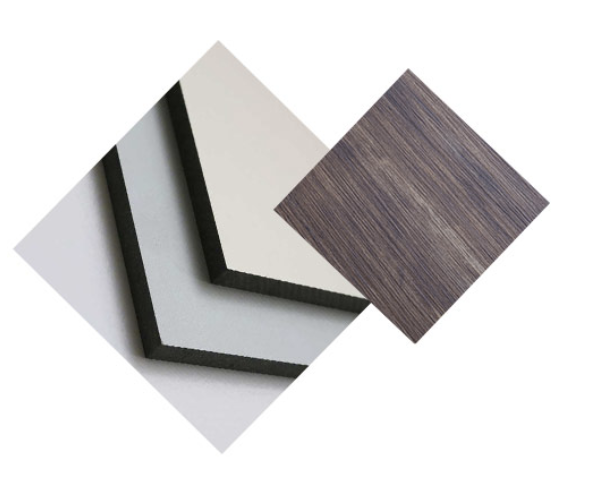
HPL's unique composition gives it a variety of beneficial properties. These include resistance to impact, scratches, and moisture. Such features make it ideal for high-traffic areas in both residential and commercial settings.
The durability of HPL is unmatched by many other materials. It consistently performs well in various environments, from kitchens to offices.
Moreover, HPL offers extensive design options. There are numerous colors, patterns, and finishes, allowing designers creative freedom.
Key benefits of HPL include:
Durability and impact resistance
Aesthetic versatility
Fireproof properties
Additionally, HPL is environmentally friendly. Many manufacturers prioritize sustainability, using recyclable materials in production.
The Composition and Creation of HPL
The creation of high-pressure laminate involves several precise steps. It begins with layers of kraft paper saturated with phenolic resin. A decorative top layer is added, treated with melamine resin for a polished finish.
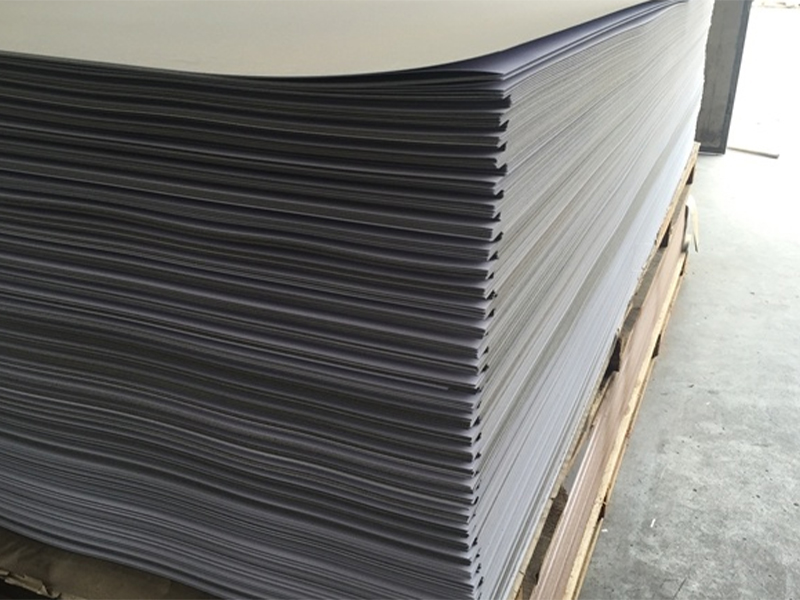
These layers are then stacked and subjected to intense heat and pressure. This process fuses the layers, resulting in a dense, compact sheet. The extreme conditions ensure a uniform and sturdy product.
The final product is cut into HPL sheets, ready for application. Each sheet is not only strong but aesthetically pleasing, fitting seamlessly into modern design trends.
Market Growth and Size
•The global HPL market was valued at approximately USD 7.37 billion in 2023 and is projected to reach USD 10.08 billion by 2032, growing at a compound annual growth rate (CAGR) of about 4% during the forecast period.
•
HPL vs. Low-Pressure Laminates: A Comparison
High-pressure laminate outperforms low-pressure laminates in several key areas. HPL is more durable, offering better resistance to moisture and impact. This makes it suitable for heavy-duty applications.
Low-pressure laminates, on the other hand, use less pressure in production. This results in a less dense material, more vulnerable to wear and tear.
In terms of aesthetics, both offer similar surface options, but HPL's superior durability gives it an edge in long-term use.
Finally, HPL's production process offers enhanced fireproofing, further distinguishing it from its low-pressure counterparts in safety-critical environments.
The Aesthetic and Functional Benefits of HPL
High-pressure laminate (HPL) offers a perfect fusion of aesthetics and functionality, making it a top choice for various applications. The surface of HPL is available in an array of designs, allowing for custom designs that cater to diverse stylistic preferences.
A major functional advantage of HPL is its non-porous nature. This quality ensures that surfaces remain hygienic and easy to clean, ideal for environments like kitchens and hospitals.
Additionally, HPL is known for its resilience. It can withstand daily wear and tear without compromising its appearance or integrity.
Moreover, HPL sheets offer impressive resistance to heat and stains. This makes them suitable for high-use areas where such features are crucial.
Here are some additional aesthetic and functional benefits of HPL:
Endless design choices
Cost-effective over time
Resistant to scratches and impact
Furthermore, HPL surfaces maintain their color brilliance. They resist fading, ensuring long-lasting visual appeal in any setting.
Durability and Maintenance: Why HPL Stands Out
HPL's durability is a defining feature. Its production process results in a surface that withstands heavy use and abuse over the years. Scratches, impacts, and moisture pose little threat to HPL, preserving its pristine condition.
The maintenance of HPL is straightforward, a significant advantage for busy environments. Simple cleaning routines suffice, as HPL's surface is resistant to most stains.
Because of these qualities, HPL becomes a cost-effective solution in the long run. The reduced need for frequent replacements translates to financial savings over time.
HPL also excels in resisting environmental changes, maintaining performance in various climates, be it hot or cold.
Design Flexibility: Customization and Variety in HPL
High-pressure laminate offers exceptional design flexibility, ideal for innovative projects. The range of available textures, colors, and patterns is vast, empowering designers to achieve any desired look.
Among HPL's design features is the potential for digital printing. Custom patterns and images can be seamlessly integrated into HPL sheets. This allows for personalization or branding on the surfaces.
Additionally, HPL accommodates cutting and shaping into diverse formats. As a result, it can suit the specifications of unique architectural or interior design plans.
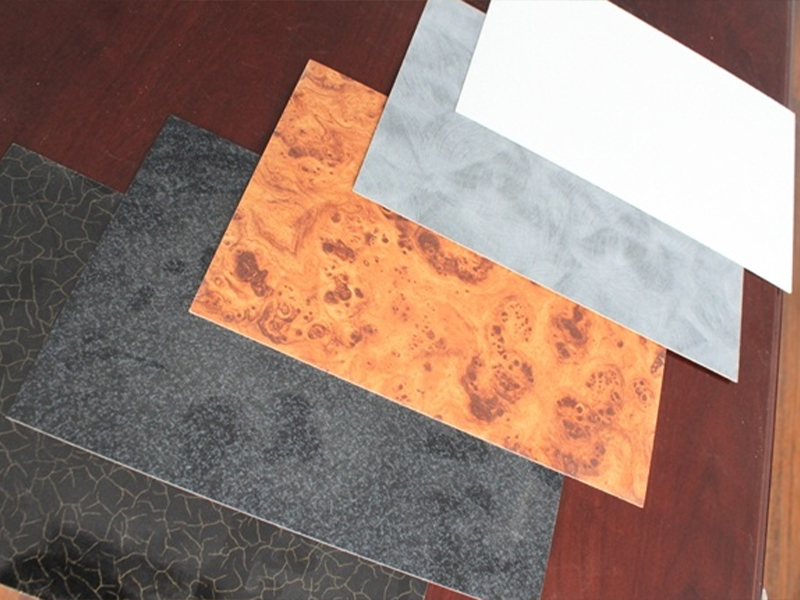
Beyond aesthetics, HPL can mimic the look of natural materials like wood or stone. This offers the advantage of luxury appeal without the higher costs or maintenance of those materials.
HPL in Action: Applications and Case Studies
High-pressure laminate finds widespread application across various sectors. In residential settings, laminate countertops made from HPL offer both beauty and practicality. Their resistance to heat and stains makes them a kitchen favorite.
In commercial spaces, such as offices and retail environments, HPL surfaces contribute to professional aesthetics. They withstand heavy traffic, maintaining their appearance despite constant use.
Educational and healthcare facilities also benefit from HPL's functional properties. Durable and hygienic surfaces are essential in these settings, ensuring a clean and safe environment.
A notable case study involves the use of HPL in airport terminals. Here, the combination of design flexibility and durability meets high traffic demands while enhancing modern terminal aesthetics.
Safety and Sustainability: HPL's Role in Modern Environments
HPL plays a crucial role in enhancing safety standards. Its fire-resistant properties are vital in environments where safety cannot be compromised. This makes HPL an excellent choice for public buildings and residential complexes.
Sustainability is another key aspect of HPL's appeal. The materials used in HPL production are often recyclable, contributing to a lower environmental footprint.
Additionally, HPL supports green building practices. The use of renewable resources and the potential to achieve LEED certification highlight its commitment to eco-friendliness.
Innovation and Quality Standards in HPL Production
The production of high-pressure laminate continually evolves with technology. Manufacturers focus on enhancing processes and products through innovation. This evolution is guided by strict quality standards to ensure reliability and safety.
ISO certifications and other benchmarks are central to maintaining these high standards. They help guarantee that HPL products are durable and meet fire safety requirements.
Manufacturers also strive for sustainable production. Using recyclable materials and minimizing waste align with current environmental priorities.
Partnerships between designers and engineers lead to groundbreaking HPL solutions. These collaborations result in unique products that reflect creativity and meticulous craftsmanship.
The Future of HPL: Trends and Technological Advancements
The future of high-pressure laminate is bright with technological innovations. Smart surfaces that respond to user interactions are on the horizon. These advancements could revolutionize how we integrate HPL into intelligent environments.
Digital printing technology is making HPL more customizable. This allows for bespoke designs that cater to specific client needs, keeping pace with design trends.
HPL's adaptability extends into emerging markets like transportation and outdoor furniture. Here, durability and resistance to elements are prized qualities.
Furthermore, HPL is poised to embrace renewable energy integration. The potential for incorporating photovoltaic cells suggests an exciting blend of function and sustainability.
Conclusion: The Growing Importance of HPL Surfaces
High-pressure laminate surfaces offer unmatched benefits and versatility. They have become indispensable in both residential and commercial settings.
Recommended Products
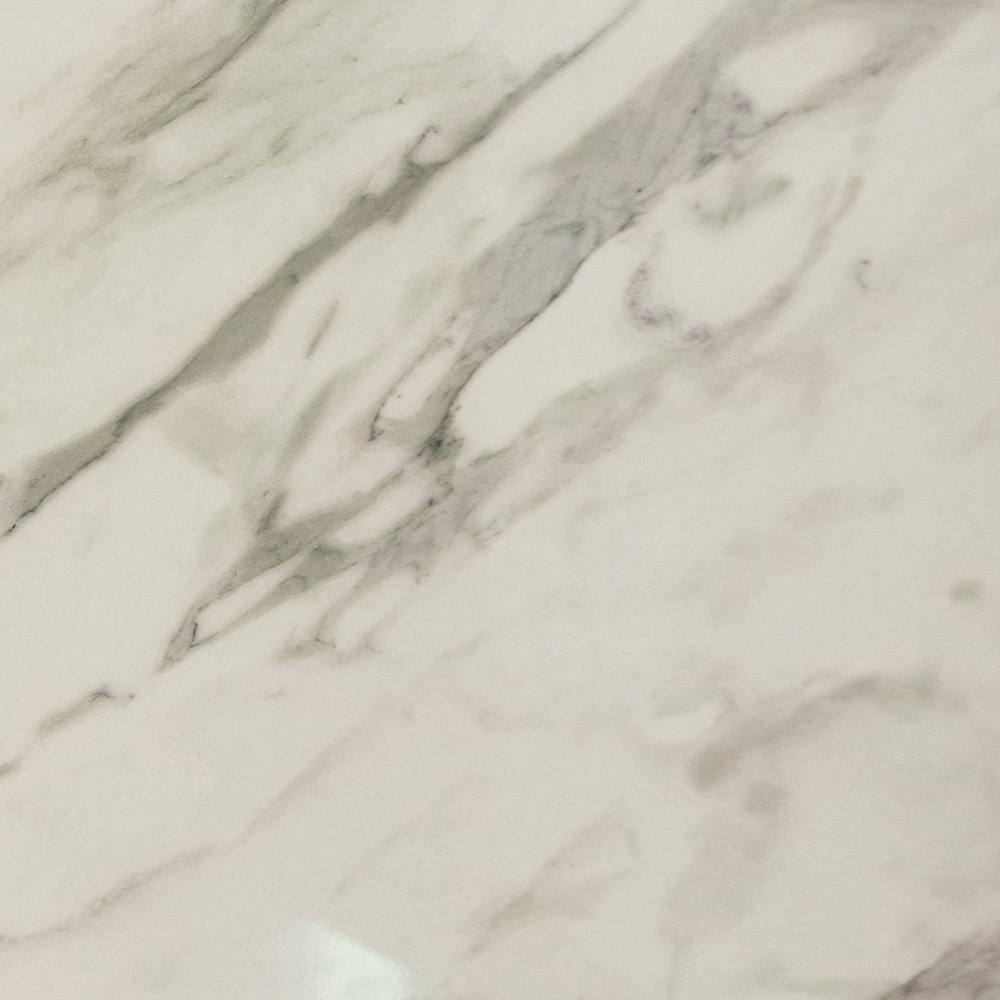
white Marbling laminate hpl sheet
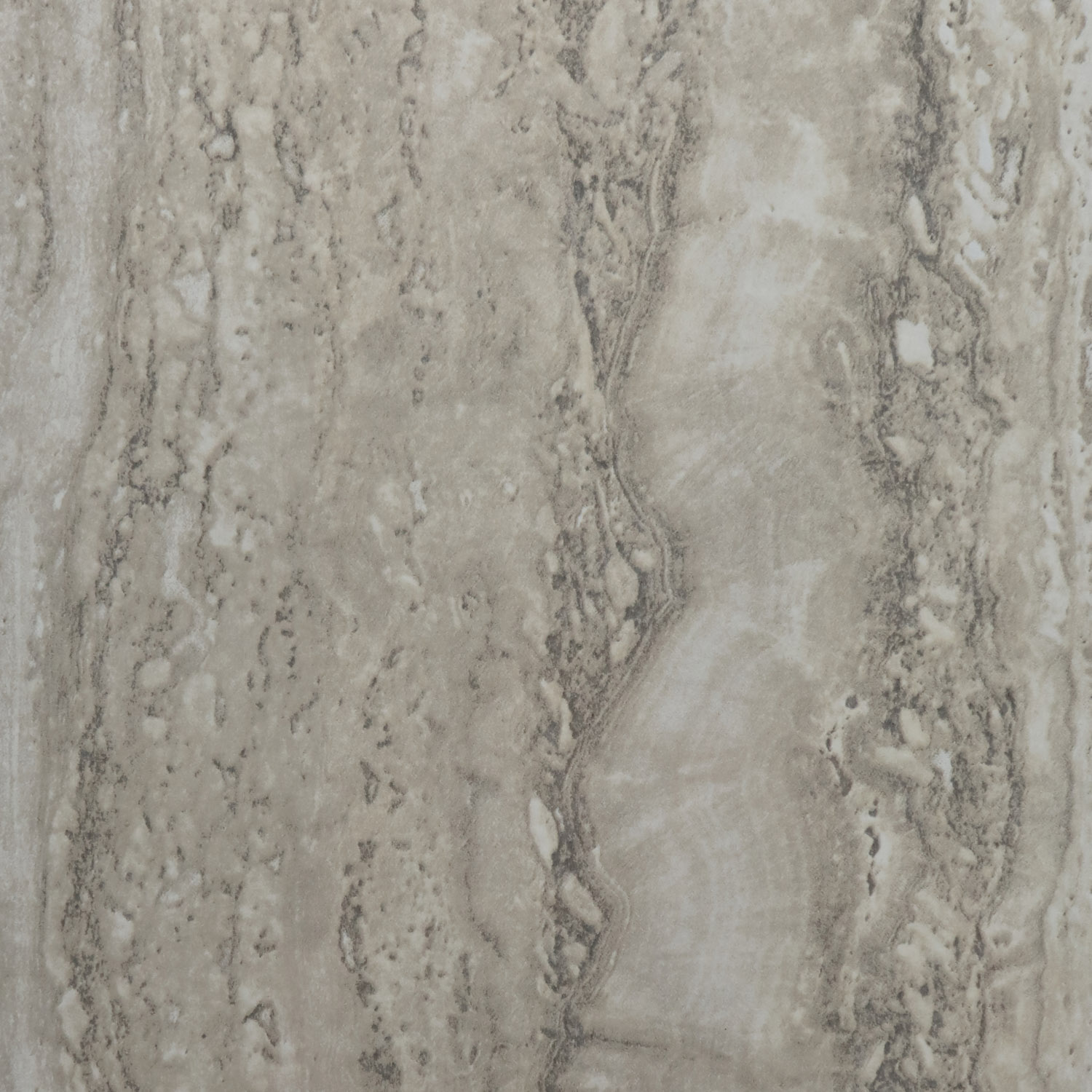
12mm Marbling laminate hpl sheet
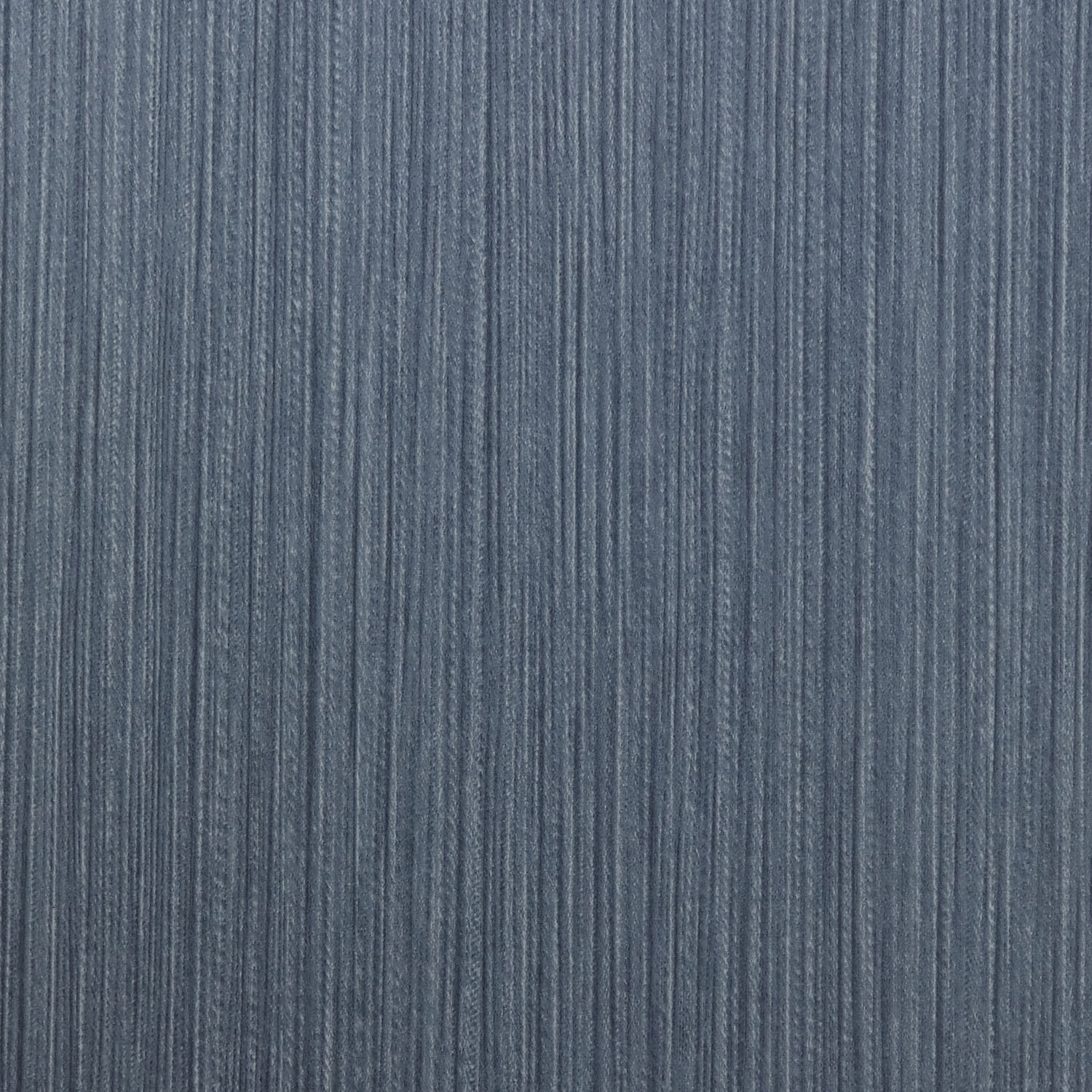
Denim Twill hpl plastic laminate

dark Green Slate Birchply high density laminate board
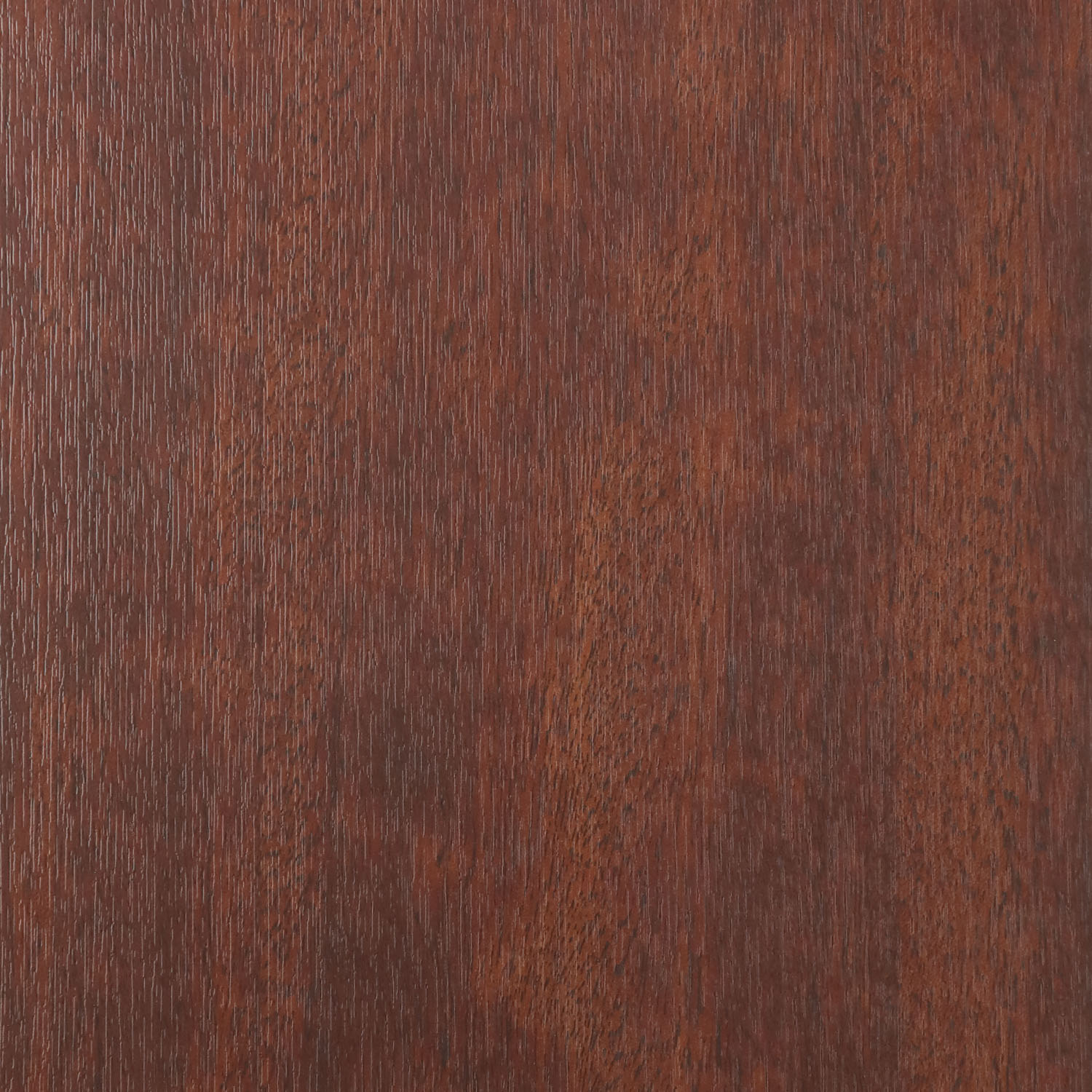
Chocolate Warp 12mm hpl board
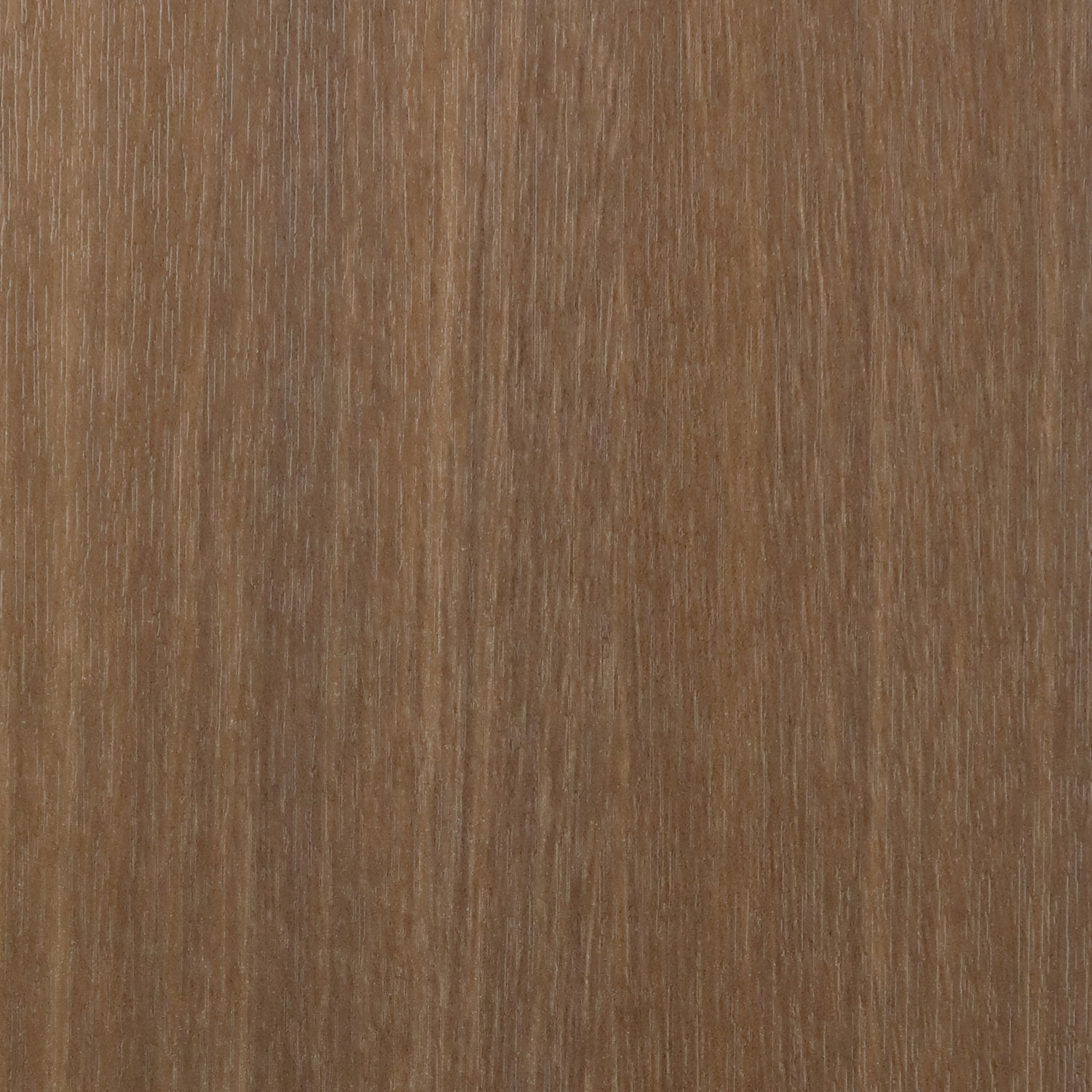
Smoky Walnut Woodline hpl sheet 4mm
white hpl phenolic board
hpl toilet water resistant partition board
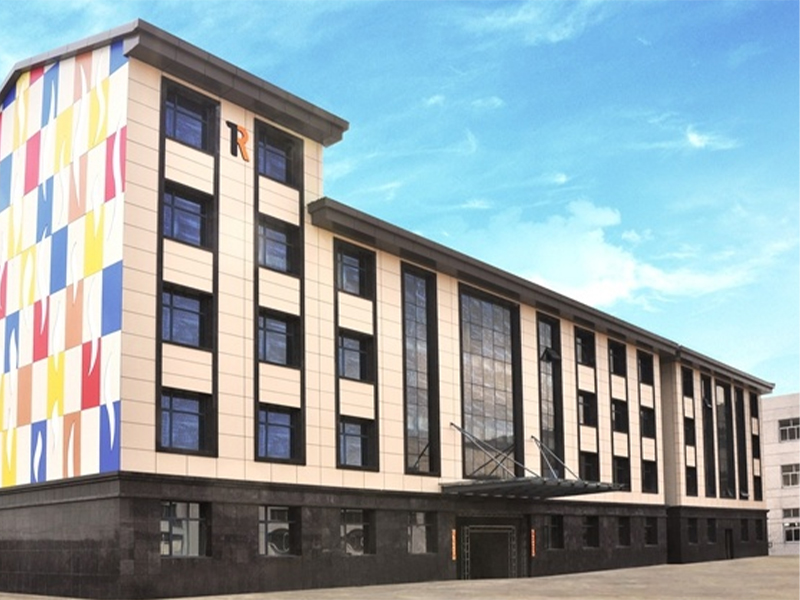
hpl exterior wall cladding
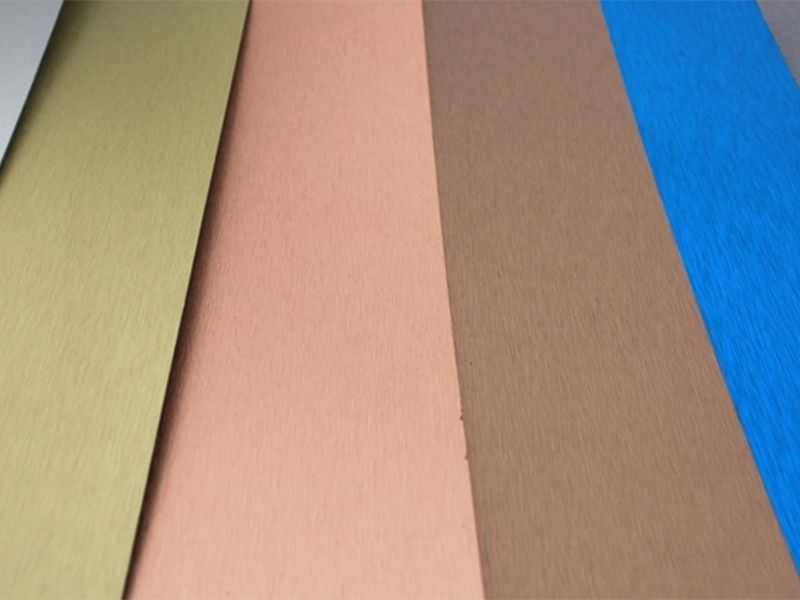
hpl compact board