








Understanding High Pressure Laminate (HPL): Properties, Applications, and Benefits
 Dec 06, 2024|
 View:5613
High-pressure laminate, or HPL, is a versatile material used in various applications. From residential to commercial settings, its durability and aesthetic appeal make it a popular choice.
But what exactly is high-pressure laminate? How is it made, and why is it so widely used?
This guide aims to answer these questions. We'll delve into the manufacturing process, explore its properties, and discuss its applications.
Whether you're a newcomer to the manufacturing industry or a business analyst seeking detailed information, this guide will provide a comprehensive understanding of high-pressure laminate. Let's get started.
What is High Pressure Laminate (HPL)?
High Pressure Laminate, commonly referred to as HPL, is a composite material. It's engineered by compressing multiple layers of paper and resin. This process creates a surface that is both durable and visually appealing.
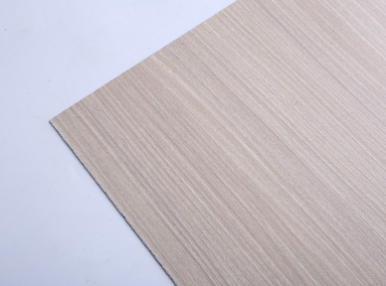
The material begins with decorative paper. This layer provides the laminate's color and pattern. It's coated with a layer of transparent overlay paper for protection.
HPL is not just about looks and strength. It's also versatile in design, offering endless possibilities for customization. Available in a range of textures and finishes, it mimics natural materials like wood and stone.
HPL's combination of beauty and practicality makes it a favorite in various industries. From furniture to wall panels, its applications are vast and varied.
The Composition of HPL: Layers and Resins
The construction of HPL is intricate yet fascinating. It consists of several distinct layers. Each layer plays a crucial role in its overall functionality.
Decorative paper serves as the top layer. This layer defines the aesthetic appeal. It comes in various designs and colors to suit different tastes.
Beneath the decorative layer lies the overlay paper. This is a transparent sheet that shields against scratches. It enhances the durability and longevity of the surface.
The core of HPL is made up of kraft paper layers. These layers are soaked in phenolic resin, which adds strength. Under heat and pressure, the resin hardens, forming a solid core.
Melamine resin is used primarily for the decorative and overlay layers. This resin is known for its water-resistant properties. It contributes to the laminate's ability to withstand heat and moisture.
Overall, HPL's composition is a masterful blend of beauty and functionality. Its engineered layers offer both protection and style. This makes it a preferred material in many applications.
The Manufacturing Process of HPL
The creation of HPL begins with paper impregnation. Kraft paper is saturated with phenolic resin. Decorative and overlay papers receive a coat of melamine resin.
Once prepared, these layers are stacked. The arrangement is precise, with decorative paper on top. The kraft paper forms the sturdy base underneath.
Next, the stack enters a hydraulic press. Here, it faces high pressure and heat. These conditions trigger the resin to cure.
Under the press, layers meld into a compact sheet. The result is a dense, durable laminate. This process strengthens the laminate and binds the layers together.
Finally, the cured sheets are cooled and trimmed. Quality is carefully inspected to ensure consistency. Each sheet must meet strict standards before reaching the market. This commitment to precision ensures a high-quality product every time.
Properties and Advantages of HPL
High pressure laminate boasts impressive durability. Its structure resists impact, ensuring longevity in demanding environments. Moreover, it withstands scratching and maintains its finish.
Another key property is fire resistance. HPL panels do not easily ignite, making them safe for various uses. This feature is vital for building safety standards.
HPL's versatility in design is unmatched. It offers a wide array of textures and patterns. This variety allows for creative freedom in interior design projects.
Environmentally, HPL holds several advantages. Many manufacturers source materials sustainably. HPL's recyclability also contributes to its eco-friendly profile.
A summary of HPL properties includes:
Scratch and impact resistance
Fire resistance
Design versatility
Environmental friendliness
These properties make HPL a favorite material in many sectors. From residential kitchens to commercial spaces, HPL's benefits are clear. Its durability and aesthetics cater to diverse customer needs effectively.
Applications of High Pressure Laminate
High pressure laminate is widely used in residential spaces. It provides durable and attractive surfaces for countertops and cabinetry. Homeowners appreciate its aesthetic flexibility and strength.
In commercial environments, HPL proves indispensable. It is a popular choice for office furniture and wall panels. HPL's durability and design options enhance workplace aesthetics and functionality.
In healthcare settings, HPL stands out for its hygiene. Its surfaces are easy to clean and resist bacterial growth. These properties are crucial in maintaining a sterile environment.
Retail spaces also benefit from HPL. Stores use it for robust display fixtures and decor elements. Its ability to withstand wear makes it ideal for high-traffic areas.
Quality and Standards in HPL Production
In HPL production, quality is paramount. Manufacturers adhere to strict industry standards. These regulations ensure consistent performance and safety.
Quality control involves rigorous testing. Each HPL sheet undergoes checks for durability and resistance. This process ensures the product meets expected specifications.
Standards cover various HPL properties. Fire resistance, scratch resistance, and impact resistance are crucial. Compliance with these standards guarantees long-lasting applications.
Innovation in testing methods is ongoing. Manufacturers implement advanced techniques for precise assessments. This commitment to quality enhances customer trust and satisfaction.
Innovations and Trends in HPL Technology
The world of high-pressure laminate is evolving rapidly. One of the latest innovations is digital printing. It allows for incredibly detailed and customizable designs.
Antimicrobial surfaces in HPL are gaining attention. They offer improved hygiene in healthcare and hospitality settings. This feature meets rising demand for cleaner, safer environments.
Sustainability is another major trend. Manufacturers are exploring eco-friendly materials and processes. Efforts focus on reducing environmental impact without sacrificing quality.
Technology integration is on the horizon. Smart HPL products may soon interact with IoT systems. This advancement could revolutionize how we use decorative panels.
Comparing HPL with Other Materials
When choosing materials, HPL stands out for its resilience. It offers superior resistance to wear compared to low-pressure laminate. This makes it ideal for high-traffic areas.
Solid surfaces provide a seamless look but at a higher cost. HPL, however, balances affordability with aesthetics. It provides a variety of design options without breaking the bank.
Unlike some materials, HPL resists scratches and moisture. Its durability suits both residential and commercial use. These properties ensure it remains a top choice for countertops and cabinetry.
HPL's versatility extends to customization. It competes well with traditional veneers. This flexibility allows unique, bespoke designs for creative architectural projects.
Maintenance, Care, and Installation of HPL
Caring for HPL is simple. Clean it with mild soap and water to maintain its look. Avoid harsh chemicals to prevent damage.
During installation, ensure surfaces are smooth and debris-free. Proper handling and precise cutting are critical to success. This ensures a flawless finish and longevity of the panels.
The Future of High Pressure Laminate
The future of HPL is bright with technological advances. Integration with smart technologies is on the rise. These innovations are opening up new possibilities.
Recommended Products
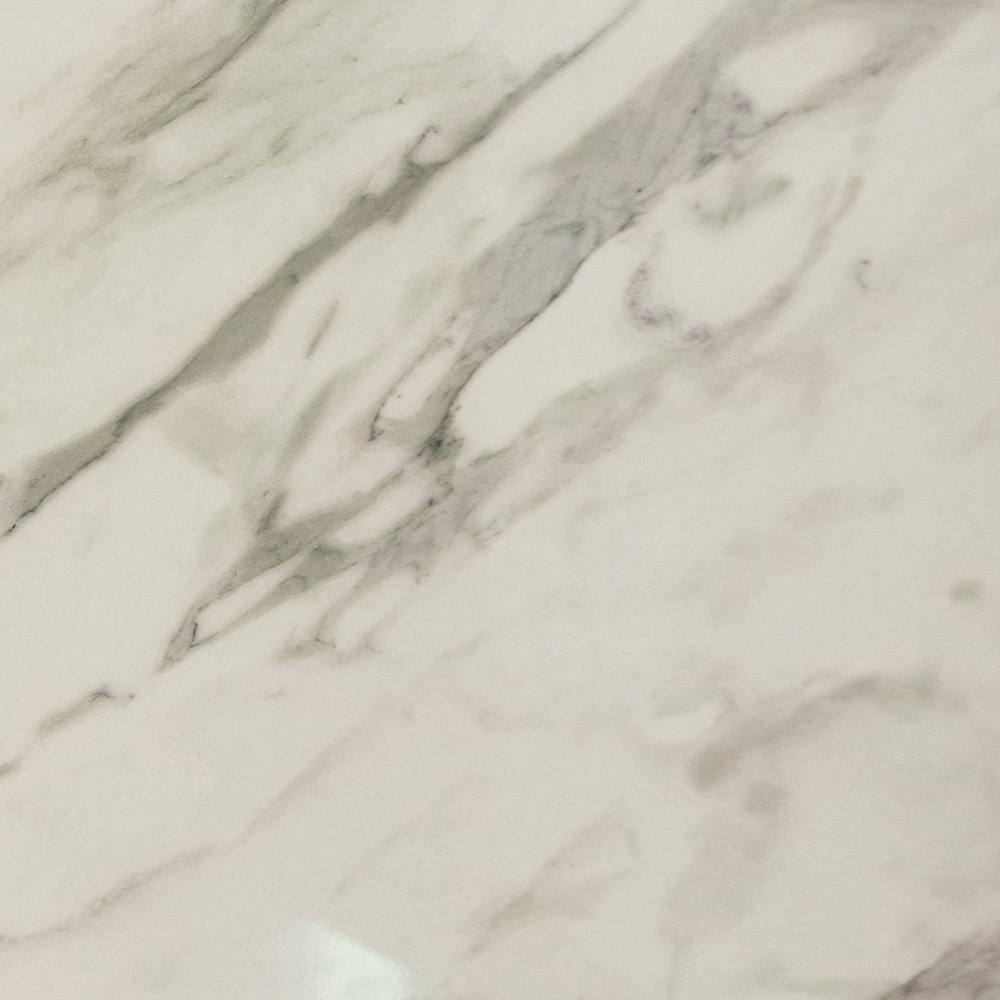
white Marbling laminate hpl sheet
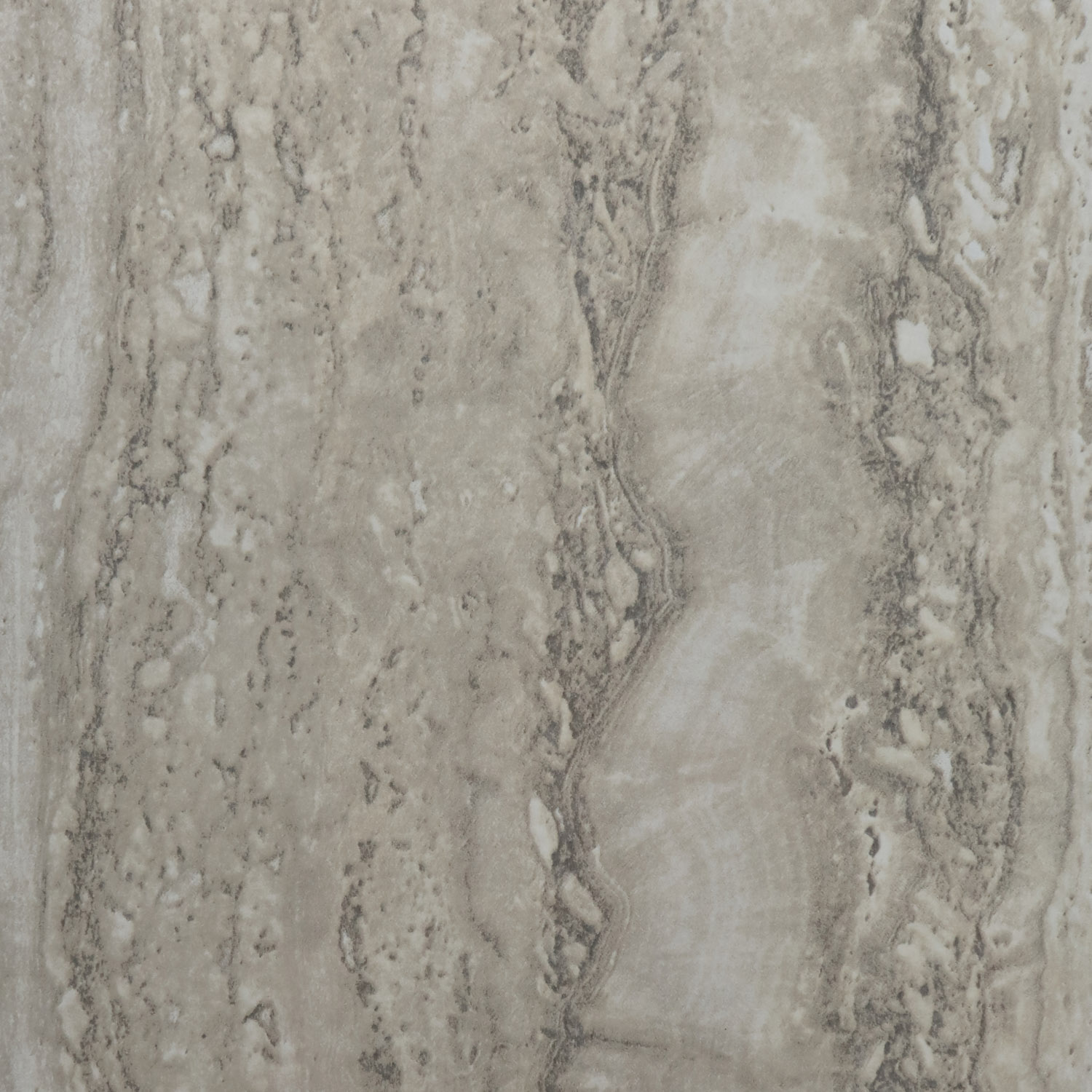
12mm Marbling laminate hpl sheet
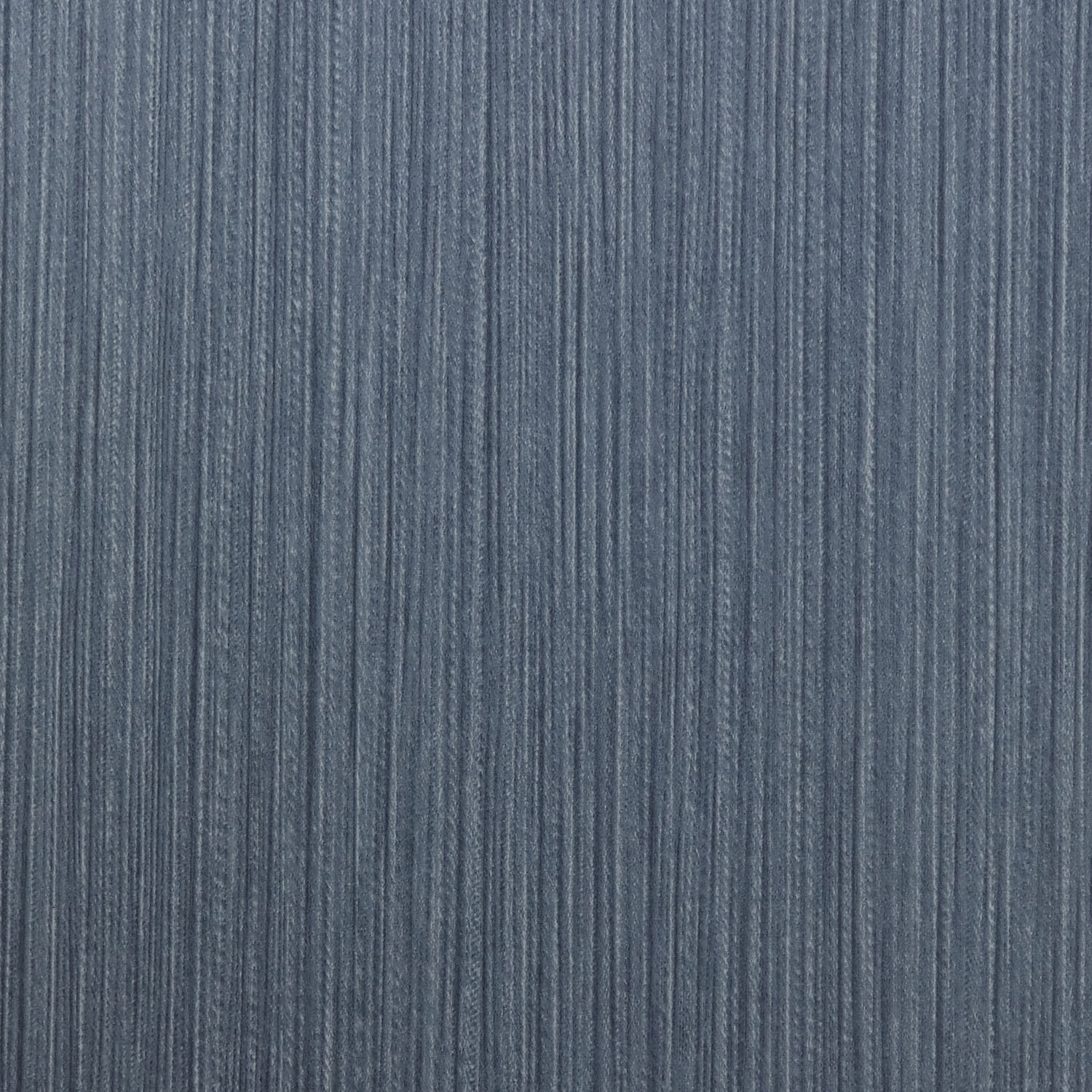
Denim Twill hpl plastic laminate
dark Green Slate Birchply high density laminate board
Chocolate Warp 12mm hpl board
Smoky Walnut Woodline hpl sheet 4mm
white hpl phenolic board
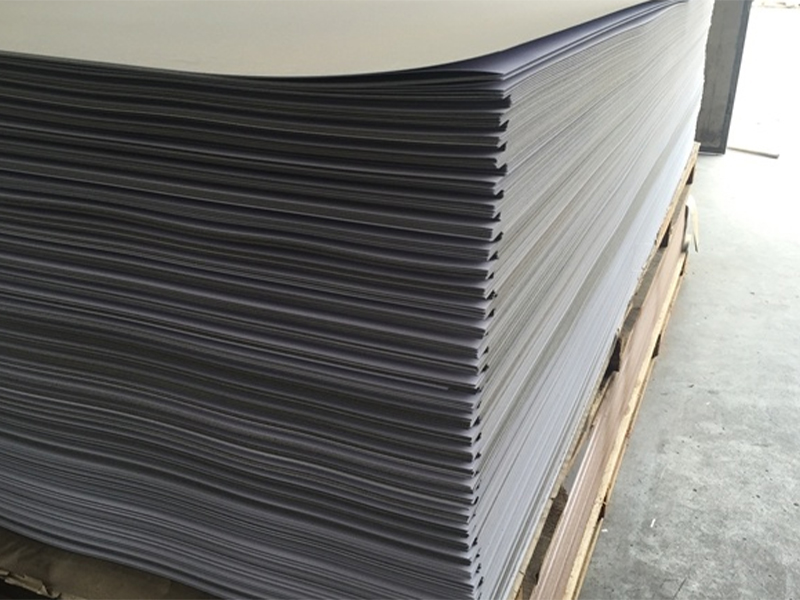
hpl toilet water resistant partition board
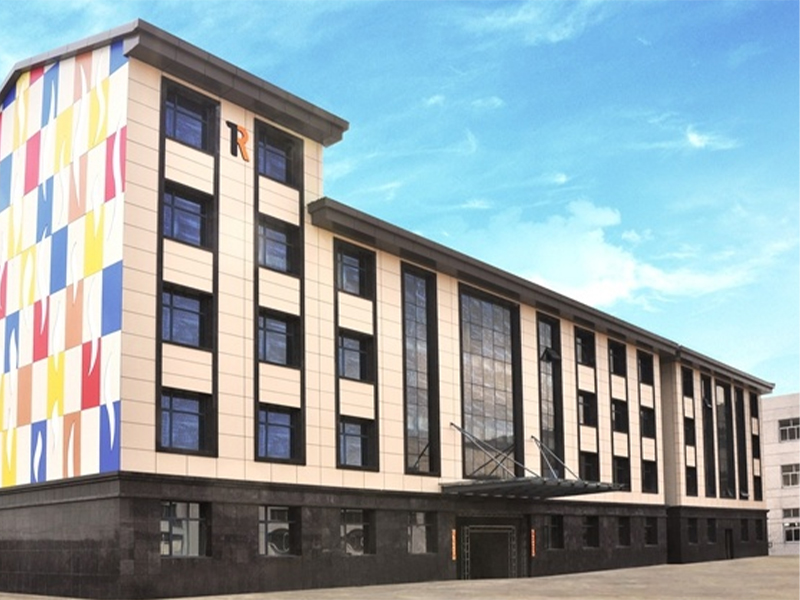
hpl exterior wall cladding
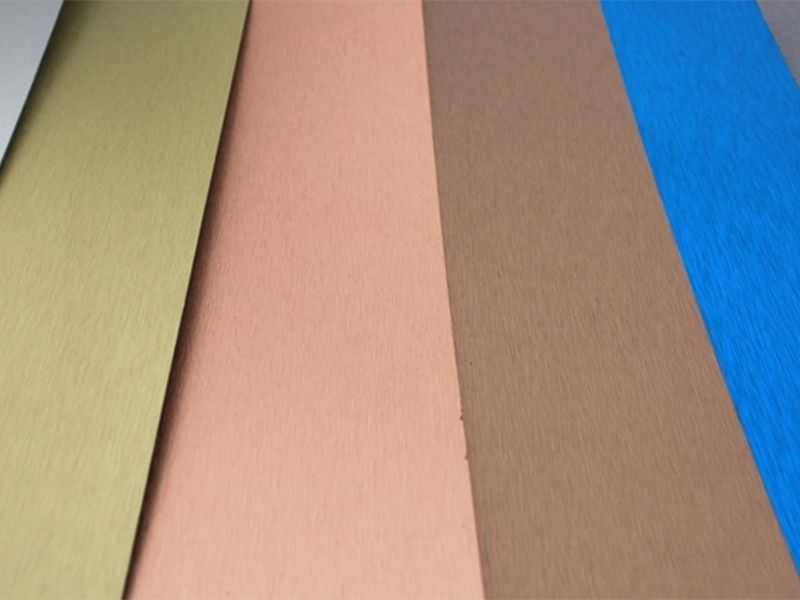
hpl compact board