








Compact Laminate Sheets: A Comprehensive Guide
 Dec 10, 2024|
 View:3348
In the rapidly evolving world of manufacturing, compact laminate sheets stand out as an indispensable material. Known for their durability, versatility, and aesthetic appeal, these sheets offer a myriad of applications across various industries. This guide delves into the intricacies of compact laminate sheets, exploring their manufacturing process, applications, and advantages.
Understanding Compact Laminate Sheets
Compact laminate sheets are a type of high-pressure laminate (HPL) that are renowned for their robustness and durability. Unlike traditional laminates, these sheets are manufactured through an intricate process that involves layering kraft paper, which is impregnated with phenolic resin, under high pressure and temperature. The process culminates in a non-porous, waterproof laminate that is well-suited for both interior and exterior applications.
The Manufacturing Process
The production of compact laminate sheets is a marvel of modern manufacturing. It begins with the impregnation of kraft paper with phenolic resin. This paper forms the core of the laminate. Decorative paper, infused with melamine resin, is placed on top to provide the aesthetic finish. These layers are then subjected to high pressure (around 1,000 psi) and temperature (approximately 150°C), resulting in a bonded, solid sheet.
The entire process is designed to ensure that the laminate sheet is not only visually appealing but also possesses excellent mechanical properties, including high impact resistance, fire retardancy, and moisture resistance. The result is a compact laminate sheet that is both functional and decorative.
Applications of Compact Laminate Sheets
The versatility of compact laminate sheets makes them suitable for a wide range of applications.
Interior Design
In interior design, compact laminate sheets are favored for their sleek appearance and durability. They are commonly used in kitchens and bathrooms due to their waterproof nature. The sheets are also utilized in the creation of countertops, cabinetry, and wall panels, providing a modern and sophisticated finish that is easy to maintain.
Exterior Cladding
Compact laminate sheets are also employed in exterior cladding. Their resistance to the elements, coupled with their fireproof properties, makes them an ideal choice for building facades. The sheets can withstand extreme weather conditions without compromising on appearance or structural integrity.
Commercial Spaces
In commercial settings, these laminates are used in high-traffic areas such as airports, hospitals, and schools. Their ability to withstand wear and tear, along with their ease of cleaning, makes them a practical solution for environments that demand both aesthetics and functionality.
Advantages of Compact Laminate Sheets
The benefits of compact laminate sheets extend beyond their aesthetic appeal.
Durability and Resistance
One of the primary advantages is their durability. The manufacturing process endows these sheets with exceptional strength, making them resistant to scratches, impacts, and abrasions. Additionally, their waterproof nature ensures longevity, even in moisture-prone environments.
Aesthetic Versatility
Available in a plethora of colors, patterns, and finishes, compact laminate sheets offer immense aesthetic versatility. Whether you seek a matte finish for a subtle look or a glossy surface for a modern touch, these laminates cater to diverse design preferences.
Fire and Chemical Resistance
Compact laminates are inherently fire-resistant, making them suitable for applications requiring stringent fire safety standards. Furthermore, their resistance to chemicals adds another layer of protection, particularly in laboratory or industrial settings.
Sustainability
In an era where sustainability is paramount, compact laminate sheets do not disappoint. Many manufacturers prioritize eco-friendly practices, ensuring that their products are both high-quality and environmentally responsible. The use of recycled materials in production and the long lifespan of the sheets contribute to their sustainability credentials.
Innovations and Future Directions
The compact laminate industry is not static; it is characterized by continuous innovation. Manufacturers are constantly exploring new materials and techniques to enhance the performance and appeal of these laminates.
Technological Advancements
Recent advancements include the development of laminates with integrated smart technology, such as touch-sensitive surfaces and built-in LED lighting. These innovations expand the potential applications of compact laminates, particularly in smart home and office environments.
Customization and Personalization
As consumer demand for personalized products grows, manufacturers are offering greater customization options. This includes bespoke patterns, textures, and sizes, allowing for unique and tailored design solutions.
Environmental Impact
Looking ahead, the focus on reducing the environmental impact of laminate production is expected to intensify. This involves not only the use of sustainable materials but also the adoption of energy-efficient manufacturing processes.
Conclusion
Compact laminate sheets represent a confluence of durability, design flexibility, and innovation. Their wide range of applications and inherent advantages make them a valuable asset in both residential and commercial settings. As the industry evolves, the potential for these laminates to transform spaces continues to grow, driven by technological advancements and a commitment to sustainability.


Recommended Products
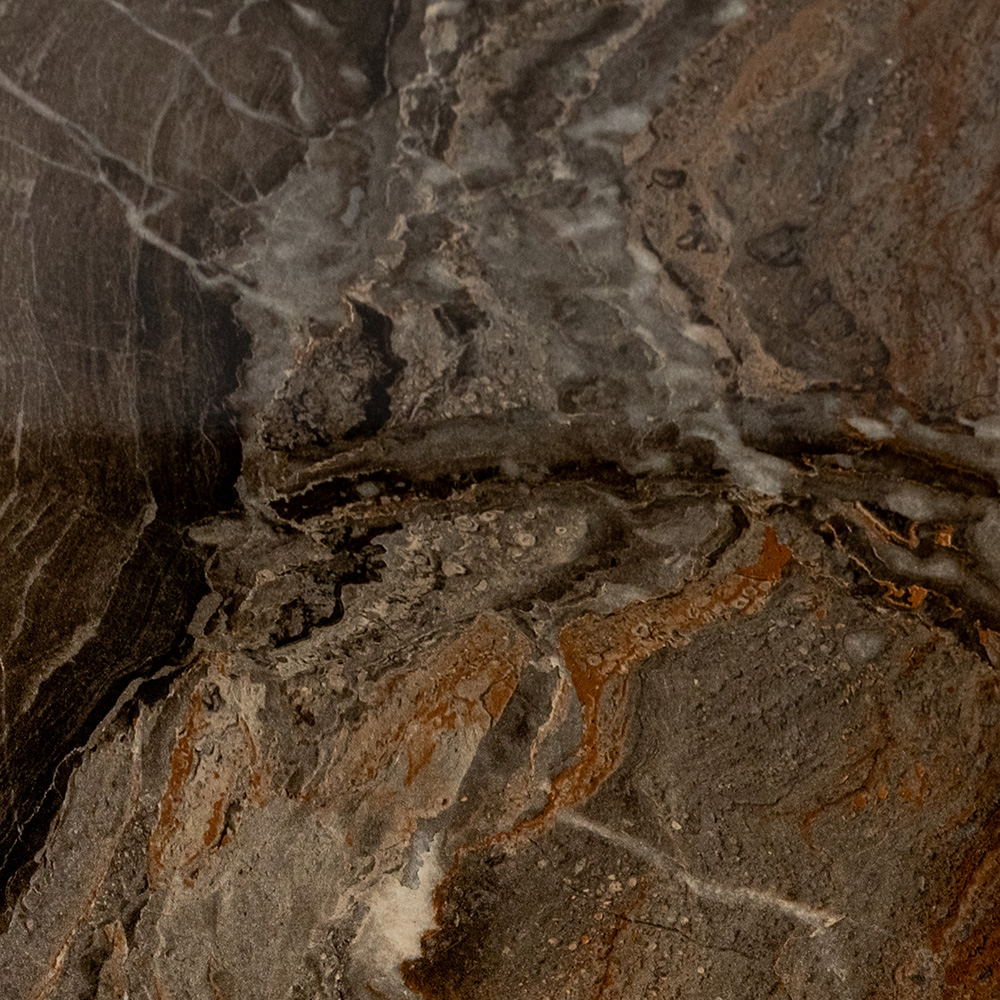
dark grey marble compact laminate
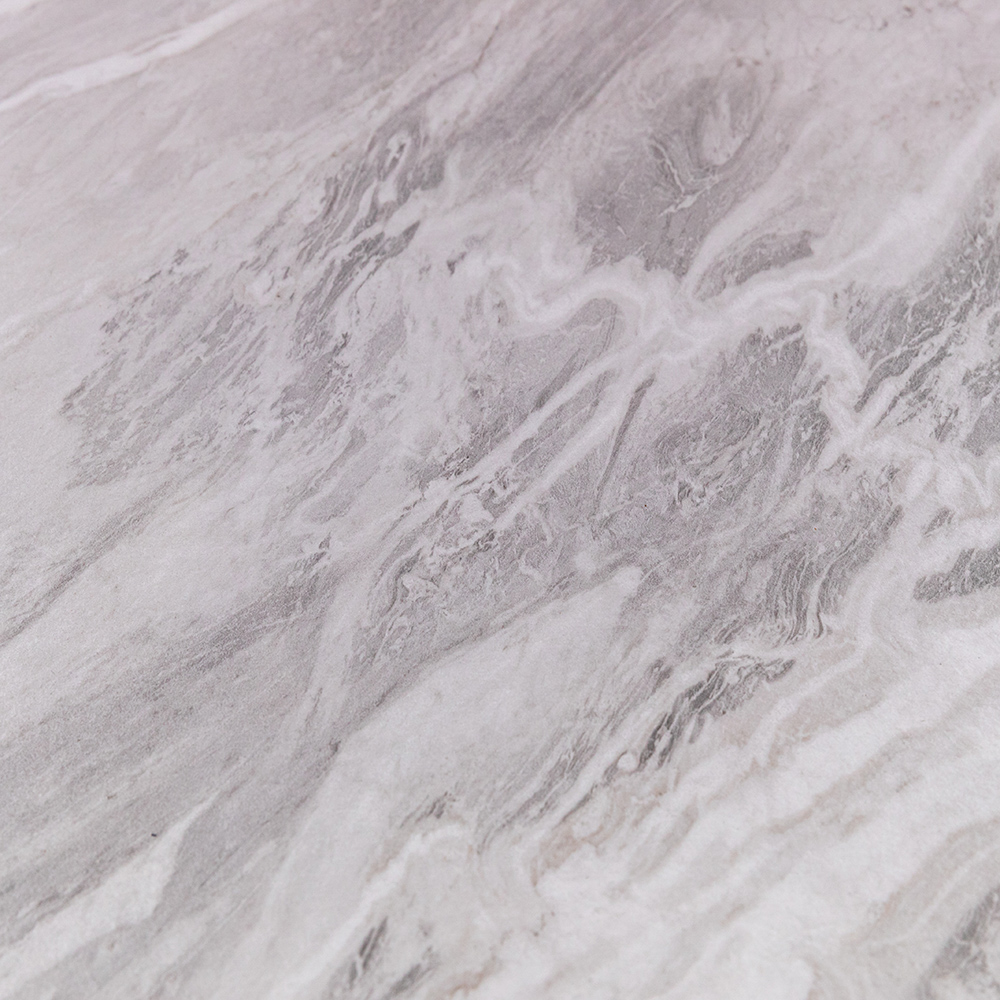
18mm white marble compact laminate
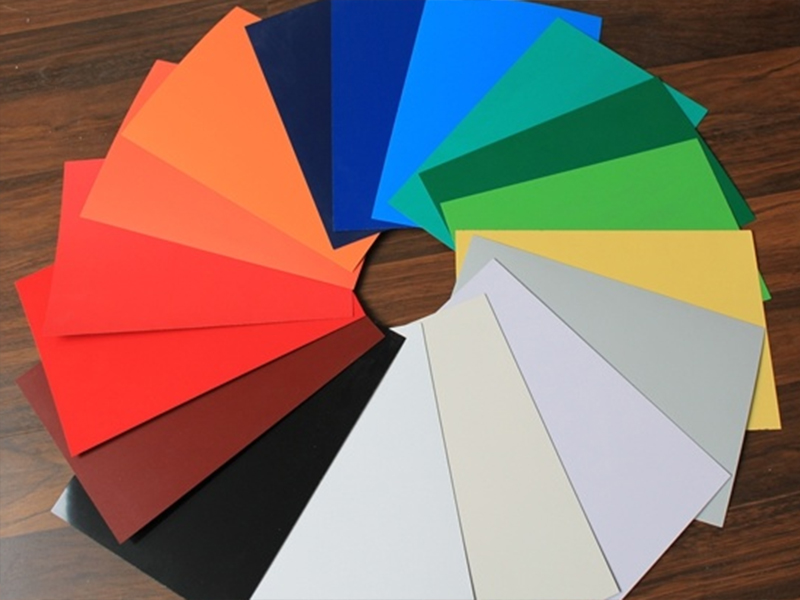
high pressure laminate compact phenolic board
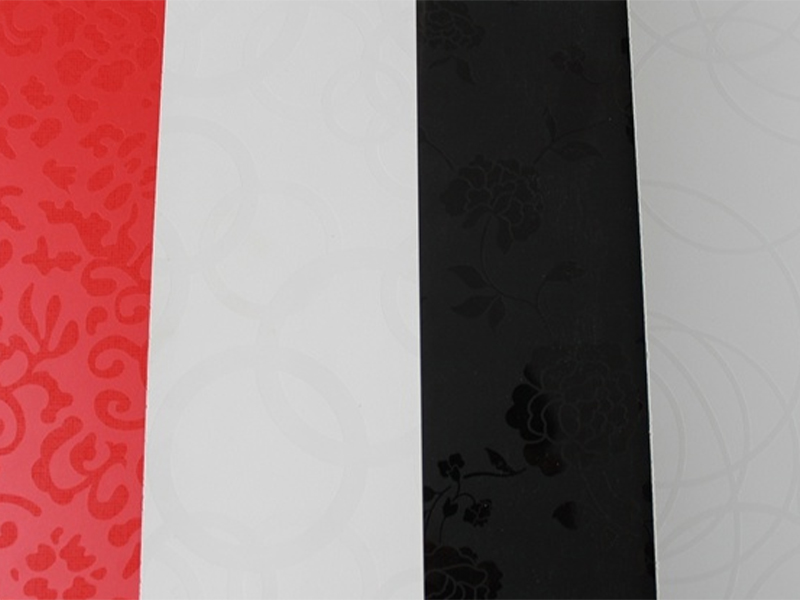
white marble compact laminate
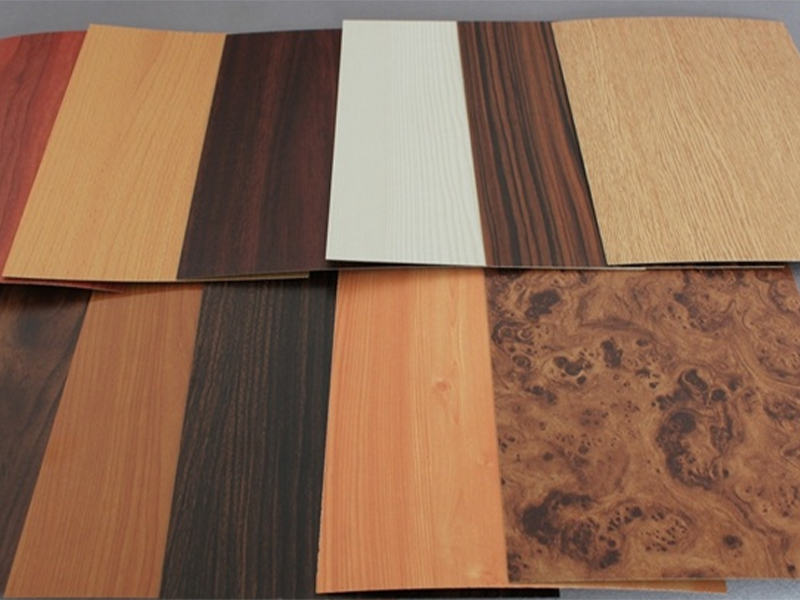
marble solid compact laminate
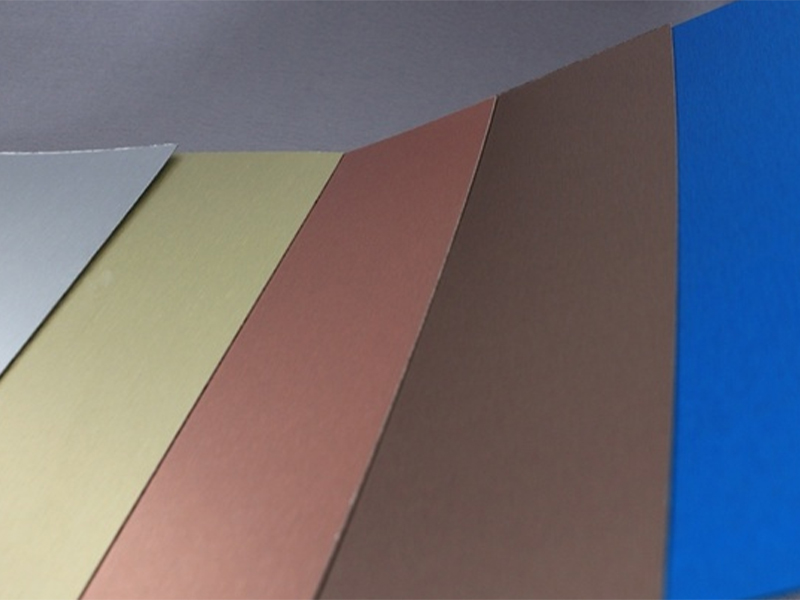
compact laminate sheet
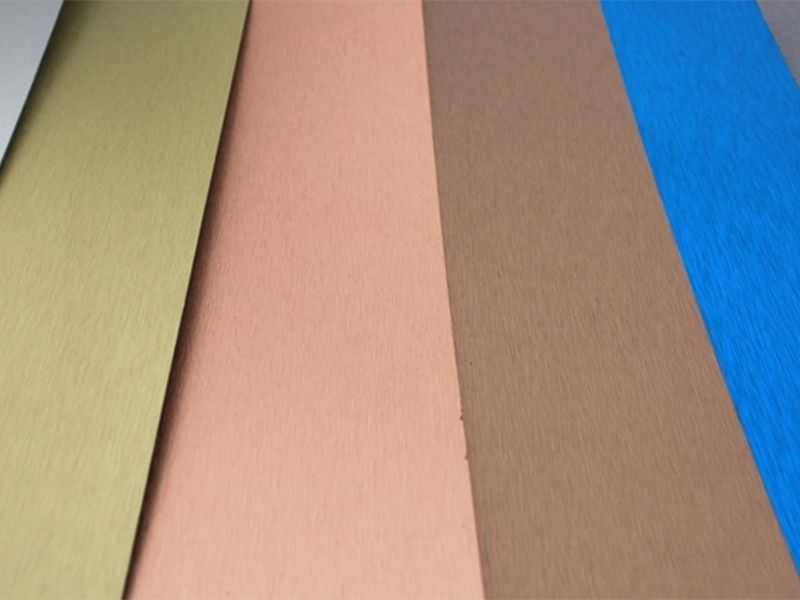
hpl compact board
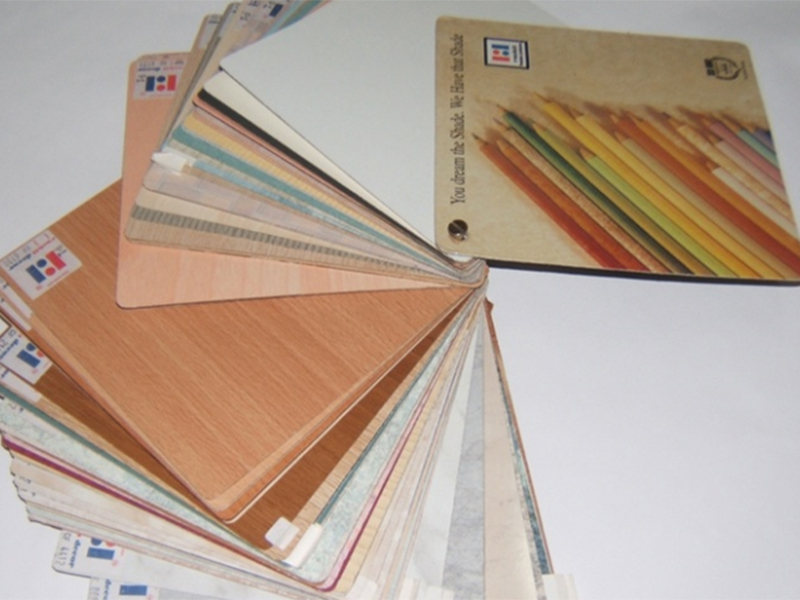
Compact Laminate Colours Collection for Commercial Furniture
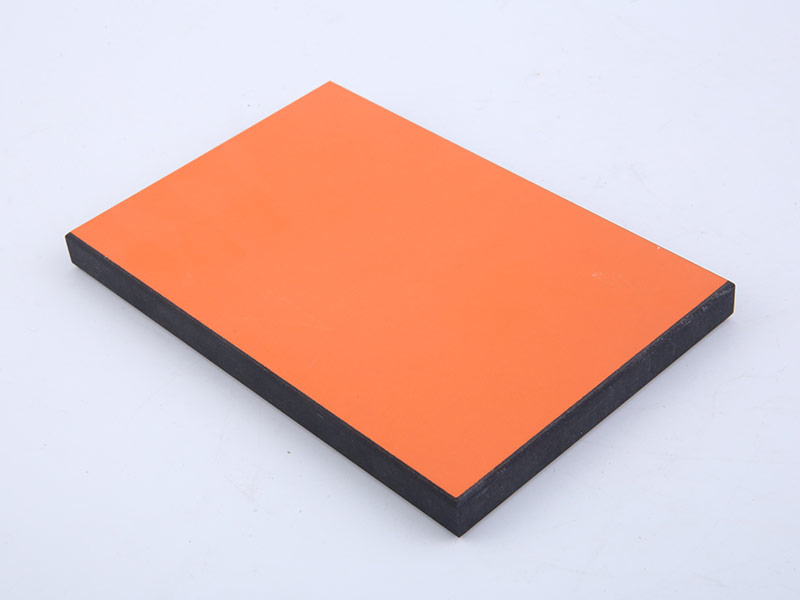
18mm compact laminate
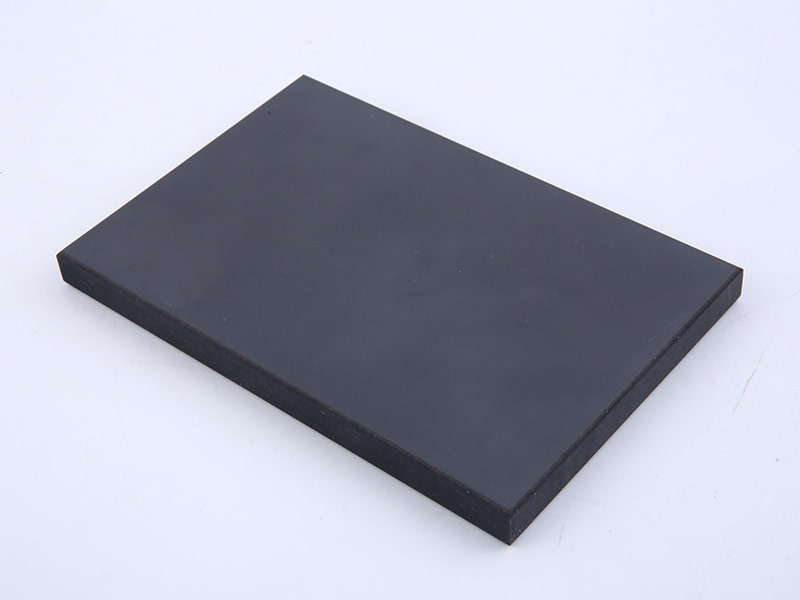
Structural Dark Grey Phenolic Compact Panel for Institutional Fixtures