







Phenolic Board: A Sustainable Building Material
 Dec 26, 2024|
 View:3653
Phenolic boards are emerging as a pivotal element in the realm of sustainable building materials. As the construction industry pivots towards environmentally conscious practices, phenolic materials present a unique confluence of durability, efficiency, and sustainability. This article delves into the intricate characteristics, applications, and benefits of phenolic boards, offering insights for industry professionals seeking to integrate these materials into their operations.

Understanding Phenolic Material
Phenolic material, derived from phenol-formaldehyde resins, is a type of synthetic polymer. The creation of phenolic sheets involves the impregnation of paper or fabric layers with phenolic resin, followed by heat and pressure application. This process results in a dense, rigid material known for its excellent thermal and chemical resistance, making it an ideal choice for various industrial applications.

Composition and Characteristics
Phenolic boards are lauded for their unique composition, which confers several advantageous properties:
Thermal Stability: Phenolic materials exhibit remarkable thermal resistance, making them suitable for high-temperature applications.
Chemical Resistance: The boards are impervious to most chemicals, reducing the risk of corrosion and extending their lifespan.
Mechanical Strength: Despite their lightweight nature, phenolic boards offer substantial mechanical strength and dimensional stability.
Water Resistance: The non-porous surface of phenolic sheets ensures excellent water resistance, preventing moisture absorption and subsequent material degradation.
These characteristics collectively position phenolic boards as a superior choice for both structural and non-structural applications within the construction sector.
Applications in Construction
The versatility of phenolic boards extends across a multitude of construction applications, each leveraging the material's inherent properties to meet specific functional requirements.
Internal and External Cladding
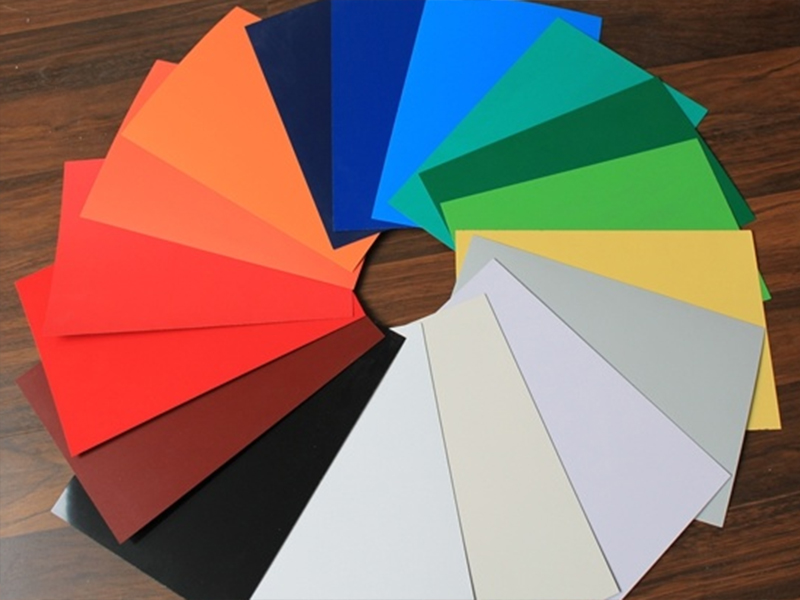
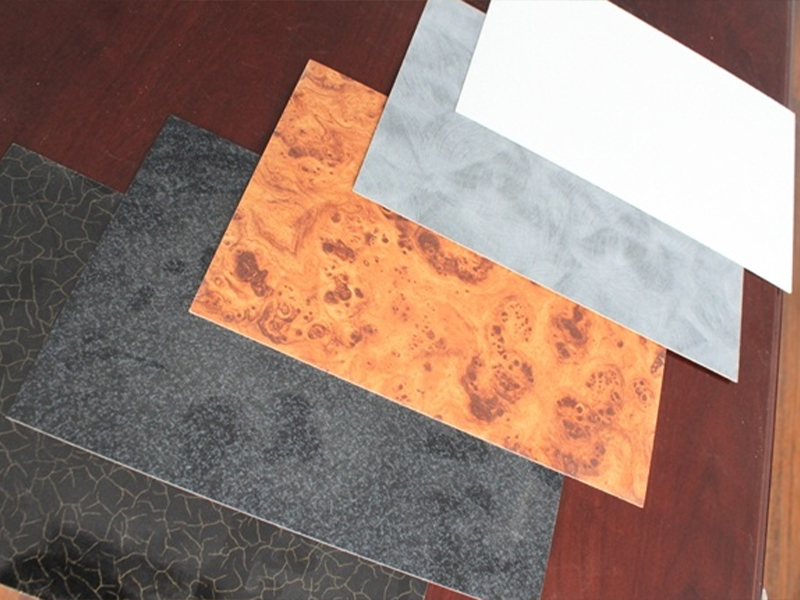
Phenolic sheets are increasingly employed as both internal and external cladding materials. Their robust nature and aesthetic flexibility allow for enhanced architectural design while providing vital weather and impact resistance.
Laboratory and Cleanroom Surfaces
The chemical inertness of phenolic boards makes them an indispensable material for laboratory surfaces and cleanrooms. Their resistance to harsh chemicals and ease of cleaning ensure compliance with stringent hygiene standards.
Fire-Retardant Structures
Due to their inherent fire-retardant properties, phenolic boards are utilized in constructing fire-safe structures. Their low smoke emission and self-extinguishing capabilities make them ideal for critical safety applications.
Sustainability and Environmental Impact
The sustainability quotient of phenolic materials is underscored by their longevity and recyclability. As industries grapple with environmental concerns, phenolic boards offer a pathway to achieving sustainable construction goals.
Longevity and Lifecycle
Phenolic boards boast a prolonged lifecycle due to their resistance to environmental degradation, thereby reducing the frequency of replacement and associated waste. This longevity translates to a lower environmental footprint over the lifecycle of a building.
Recyclability
Phenolic materials are recyclable, contributing to the circular economy. The material's ability to be repurposed into new applications further diminishes its environmental impact.
Integration in Industrial Machinery
Beyond construction, phenolic boards are finding their place in industrial machinery, particularly in the cable and wire production sector. Their robustness and resistance to wear and tear make them suitable for machine components subjected to high stress and temperature variations.
Enhancing Machine Efficiency
The integration of phenolic materials in machinery can enhance operational efficiency by minimizing downtime and maintenance requirements. Their thermal and mechanical stability ensures consistent performance, even under challenging conditions.
Safety and Reliability
Phenolic boards contribute to the safety and reliability of industrial machinery. Their non-conductive properties reduce the risk of electrical hazards, while their chemical resistance mitigates potential damage from exposure to industrial substances.
Challenges and Considerations
While phenolic boards offer numerous advantages, their implementation does require careful consideration of certain challenges.
Cost Implications
The initial cost of phenolic materials can be higher compared to conventional alternatives. However, the long-term benefits and reduced maintenance costs often justify the investment.
Installation Expertise
Proper installation of phenolic boards necessitates specialized expertise to ensure optimal performance and longevity. Professionals must be adept in handling and installing these materials to avoid compromising their integrity.
Phenolic boards represent a significant advancement in sustainable building materials, offering a blend of strength, durability, and environmental stewardship. Their applications extend beyond construction, into industrial machinery, providing a multifaceted solution for modern industry demands. As the push towards sustainable practices intensifies, phenolic materials are poised to play a crucial role in shaping the future of construction and industrial manufacturing.