








HPL Laminate vs. Other Surface Materials
 Dec 29, 2024|
 View:5236
HPL Laminate vs. Other Surface Materials
Choosing the right surface material can be a daunting task. There are many options available, each with its own set of advantages and disadvantages.
One such option is HPL laminate. This high-pressure laminate is a popular choice for many applications, from furniture to wall cladding.
But how does it compare to other surface materials? Is it the right choice for your specific needs?
This article aims to answer these questions. We will delve into the world of HPL laminate, exploring its manufacturing process, composition, and unique properties.
We will also compare HPL laminate with other surface materials such as veneer, solid wood, melamine, and engineered stone. This comparison will cover aspects like durability, design flexibility, cost-effectiveness, and environmental impact.
Whether you're an architect, interior designer, builder, or a homeowner planning a renovation, this article will provide valuable insights.
By the end, you'll have a comprehensive understanding of HPL laminate. You'll be equipped to make an informed decision about whether it's the right surface material for your project.
Let's dive in.
Understanding HPL Laminate
HPL laminate, or High-Pressure Laminate, is a versatile surface material known for its durability. Created through a rigorous process, it combines multiple layers of kraft paper with decorative paper soaked in resin.
This unique composition makes HPL a preferred choice in diverse settings. From countertops in kitchens to cabinetry in commercial spaces, its applications are extensive. Its resistance to wear and tear is just one of many reasons it stands out.
Several key features make HPL laminate attractive:
Durability and longevity
Wide range of design and color choices
Easy maintenance and cleaning
Good resistance to chemicals and stains
In essence, HPL laminate is more than just a coating; it's a robust surface solution for various environments.
What is HPL Laminate?
HPL laminate is a layered product, much like plywood, but made with paper and resins. The layers include kraft paper and a decorative surface, which are bonded under heat and pressure.
The result is a tough, resilient surface that resists scratches and impacts. It's often used in furniture, walls, and floors where durability is crucial.
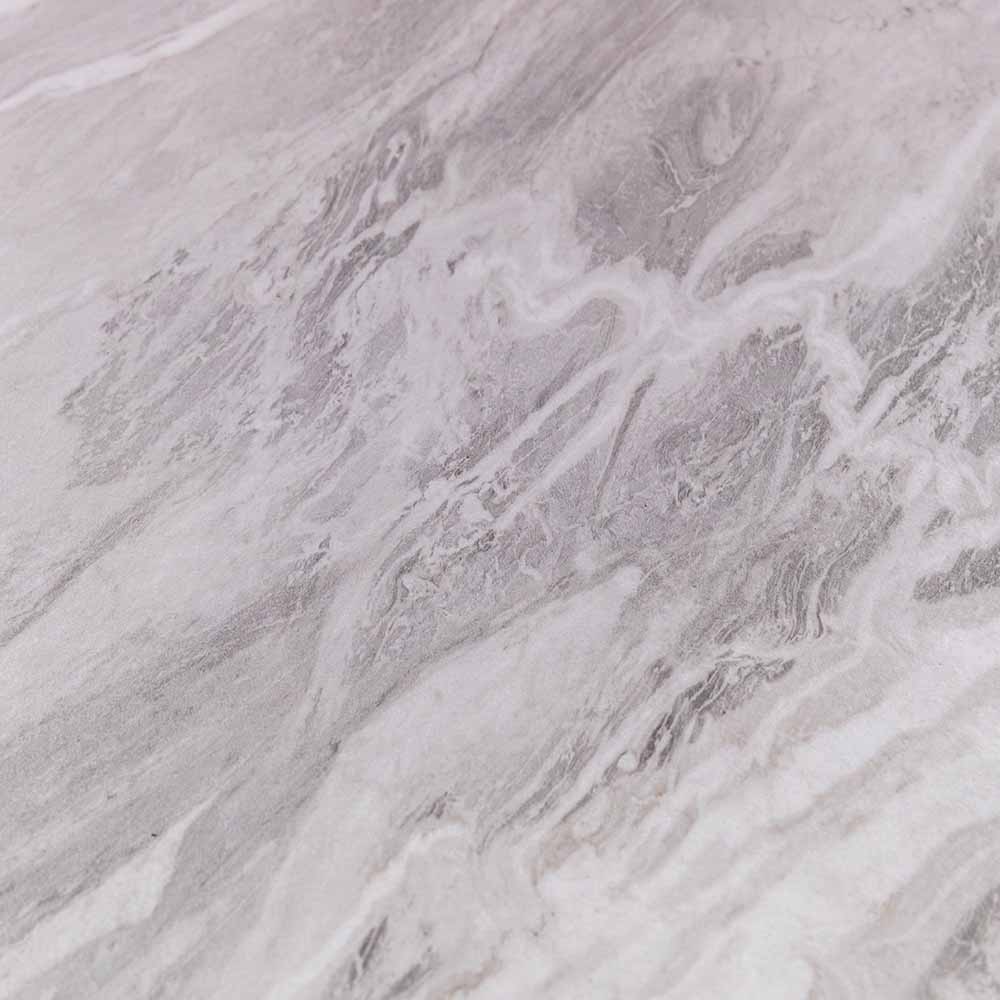
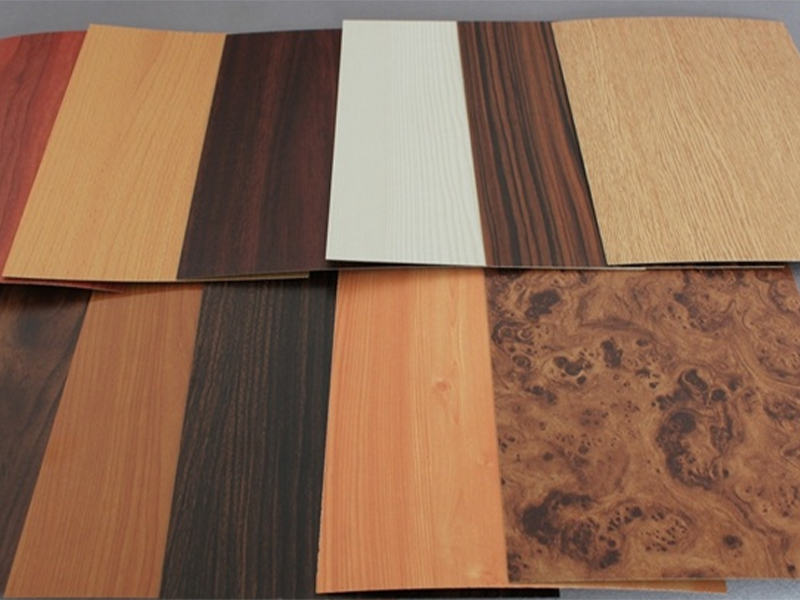
Its aesthetic versatility also allows it to mimic natural materials. You can find HPL in looks ranging from wood grains to solid colors. Its adaptability in design makes it a popular choice for interior designers.
The Manufacturing Process of HPL Laminate
Creating HPL laminate involves several steps. It starts with kraft paper soaked in phenolic resin, which provides strength and flexibility. Decorative paper is coated with melamine resin to add visual appeal.
These layers are stacked, pressed, and heated to form a single, solid sheet. The process uses high pressure, up to 1,000 psi, and intense heat to ensure durability.
A protective overlay is often added, enhancing the laminate's resilience against stains and scratches. This meticulous method results in a material that's both functional and aesthetically pleasing.
HPL Laminate Compared to Other Surface Materials
When selecting a surface material, understanding the strengths and weaknesses of each option is essential. HPL laminate is one of several choices available.
Looking at materials like veneer, solid wood, melamine, and engineered stone helps both professionals and consumers make better choices.
HPL laminate distinguishes itself with notable durability and versatility. Its resistance to daily wear and impact makes it ideal for high-traffic areas. In comparison, other materials might excel in specific attributes, such as aesthetic or environmental considerations.
Let's break down HPL laminate's comparative features with these materials:
Veneer: Known for its natural appearance but less durable than HPL.
Solid Wood: Offers a luxury feel but requires more maintenance.
Melamine: Economically attractive but less durable than HPL.
Engineered Stone: Highly durable but often more expensive than HPL.
Each material has unique features, influencing its suitability for various projects.
HPL vs. Veneer
A veneer is a thin slice of natural wood glued over a base material. Its main appeal is the authentic wood appearance, providing a genuine look and feel. However, veneer is generally more susceptible to scratches and dents than HPL laminate.
Unlike HPL, veneer requires regular maintenance to preserve its finish. Exposure to water and humidity can also affect its durability.
HPL laminate is more resistant to moisture and wear. This makes it a better choice for places that see a lot of use.
While both materials can enhance the aesthetics of a space, HPL laminate often provides a more practical option. Its durability makes it preferable for areas demanding minimal upkeep and prolonged lifespan.
HPL vs. Solid Wood
Solid wood is celebrated for its natural beauty and durability. It often imbues a sense of elegance and warmth in interiors. However, compared to HPL laminate, solid wood generally demands more maintenance and care.
Periodic refinishing is necessary to maintain wood's original luster, especially in areas exposed to significant use. HPL laminate provides a more hands-off alternative. It resists scratches and impacts more efficiently, suitable for high-traffic zones.
Moreover, HPL offers diverse design possibilities, including patterns that mimic the look of solid wood. While the tactile experience differs, HPL's ease of maintenance makes it a pragmatic choice for many users.
HPL vs. Melamine
Melamine shares similarities with HPL laminate as a layered, resin-based surface. Economically, it often appears as a budget-friendly option. However, melamine can lack the durability that HPL laminate reliably delivers.
In settings prone to heavy use, melamine surfaces may wear quickly. HPL, by contrast, withstands pressure and maintains its visual appeal over time. Its dense construction ensures resilience to wear, scratch, and impact.
For design, HPL laminate offers a richer variety of finishes, textures, and colors. This flexibility suits creative designs or matching interiors. HPL's endurance and design diversity give it an edge over melamine in many applications.
HPL vs. Engineered Stone
Engineered stone is a top-tier option known for its remarkable resilience and durability. It provides a luxurious and elegant feel, often used in countertops and upscale furniture. However, this quality comes with a higher price tag compared to HPL laminate.
Engineered stone is great for resisting scratches and stains. High-pressure laminate (HPL) does well in these areas, too, but it is usually more affordable.
HPL's weight advantage makes it simpler to handle and install.
Despite not matching the natural stone's aesthetic exactly, HPL offers impressive versatility in designs that mimic stone effects. Its cost-efficiency and ease of installation are major benefits in commercial and residential projects.
Advantages of HPL Laminate
HPL laminate is renowned for its numerous benefits over other surface materials. Its advantages span from physical resilience to cost savings, making it a widely preferred choice. This section dives into key benefits, underscoring why many opt for HPL in various applications.
Durability and Resistance
HPL laminate stands out for its exceptional durability. It can withstand scratches, impacts, and daily wear effortlessly, which is critical for surfaces subjected to constant use. This makes it optimal for schools, hospitals, and busy households where long-lasting performance is essential.
Additionally, HPL laminate exhibits excellent resistance to chemicals and stains. This property ensures that harsh cleaning agents won't degrade its surface quality over time. Its durability and tough nature contribute to reduced maintenance costs and infrequent replacements.
With these characteristics, HPL laminate meets the demanding requirements of both residential and commercial spaces. Users enjoy peace of mind, knowing their surfaces will retain their appearance and functionality over the years.
Design Flexibility and Aesthetics
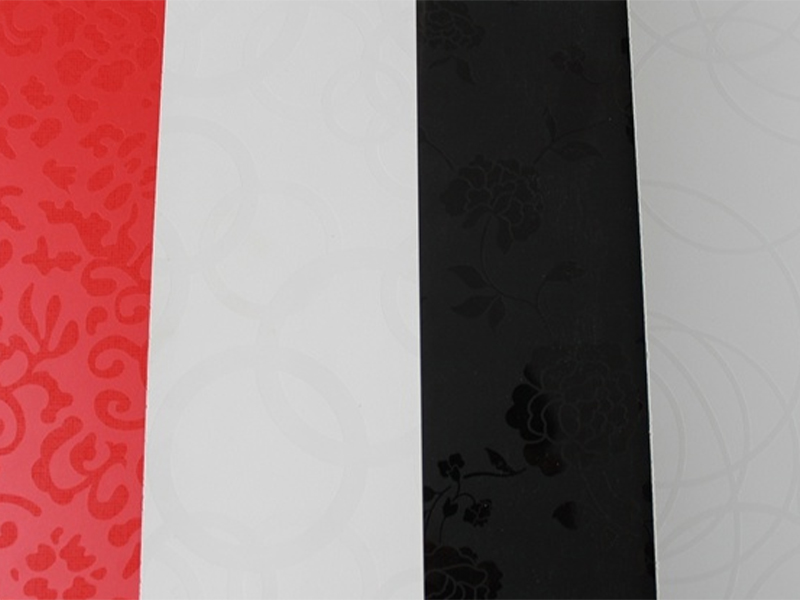
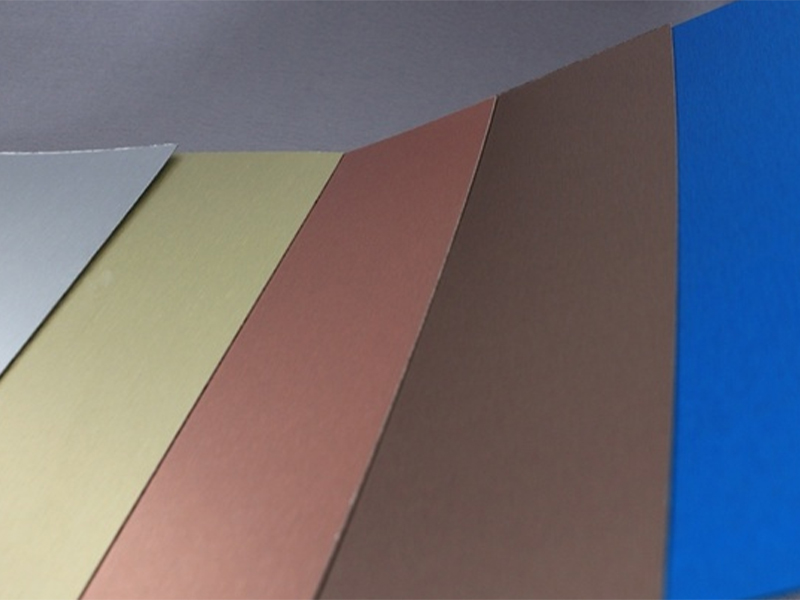
The array of design options available with HPL laminate is vast. From realistic wood grains to sophisticated metallic effects, HPL sheets offer an extensive palette to work with. This flexibility empowers designers to create personalized aesthetics tailored to individual tastes or branding needs.
In terms of finish, HPL laminate can mimic materials like stone or wood convincingly. This allows for high-end looks without the associated costs or upkeep. Custom designs and digital prints further expand the creative possibilities, offering virtually limitless options.
Such design versatility makes HPL laminate an excellent choice for achieving chic and functional spaces. Whether for home interiors, office environments, or retail displays, HPL laminate enables innovation and style with ease.
Maintenance and Hygiene
HPL laminate's maintenance-friendly nature is another significant advantage. It requires minimal effort to clean, with most stains removable by simple wiping. This quality is particularly important in settings like kitchens or healthcare facilities where hygiene is paramount.
The non-porous surface of HPL laminate resists bacterial growth, ensuring a sanitary environment. This makes it an ideal material for countertops, desks, and kitchen cabinets that face frequent interaction and potential germ exposure.
By choosing HPL laminate, users benefit from both cleanliness and convenience. It supports high hygiene standards while simplifying cleaning routines. This results in a healthier environment and more free time for other activities.
Cost-Effectiveness
Among surface materials, HPL laminate is notably cost-effective. It offers durability and aesthetic appeal at a lower price point than materials like solid wood or engineered stone. This cost-efficiency is a compelling factor for budget-conscious projects.
Moreover, the longevity of HPL laminate contributes to savings over its lifespan. Less frequent repairs and replacements minimize long-term expenses, providing excellent value. Its ease of installation also reduces labor costs, further adding to its affordability.
In essence, HPL laminate strikes an effective balance between quality and price. It delivers a high-performing, visually attractive surface solution without straining financial resources, appealing to a wide range of users.
Disadvantages and Considerations
While HPL laminate offers many advantages, it also comes with certain downsides. Recognizing these considerations is crucial for informed decision-making. Each material has its limitations, and understanding them helps in choosing the right material for specific needs.
Installation and Repair
Installation of HPL laminate can be complex. Proper preparation and skill are required for the best results. Unlike simpler materials like melamine, HPL needs precise handling to avoid issues such as warping or chipping.
Repairing HPL laminate also presents challenges. While it resists damage well, once harmed, repair is difficult. This is due to its multi-layer structure, which doesn't allow for easy patching or refinishing like solid wood might.
These factors necessitate working with professionals who understand HPL's unique demands. Professional installation ensures performance and durability, preventing costly mistakes.
Environmental Impact
HPL laminate involves a manufacturing process that uses resins and high-pressure techniques. These processes contribute to environmental concerns, primarily in terms of emissions. This contrasts with more eco-friendly materials like bamboo or recycled wood products.
Additionally, recycling HPL can be difficult. While some efforts exist to improve its sustainability, current disposal options are limited. However, advancements in technology are being made to address these environmental challenges over time.
Despite its impact, HPL is still seen as relatively sustainable compared to certain natural materials. Evaluating its life cycle alongside other options can help determine its environmental acceptability for different projects.
Applications of HPL Laminate
HPL laminate is known for its versatility across various applications. Its durability and design options make it an attractive choice for many settings. Below are some common applications of HPL laminate:
Residential Uses: Ideal for kitchens, bathrooms, and furniture.
Commercial and Institutional Settings: Perfect for office spaces, healthcare, and educational facilities.
Specialty Applications: Suitable for laboratory countertops and marine interiors.
Residential Uses
In residential areas, HPL laminate proves to be both practical and stylish. It's often found in kitchens, serving as countertops or cabinetry finishes. Its resistance to stains and scratches makes it perfect for high-use areas.
Bathrooms benefit from HPL's water resistance and easy maintenance. This makes it a popular option for vanity tops and wall panels. HPL laminate also shines in furniture design, offering custom patterns and styles to match any decor.
Commercial and Institutional Settings
The commercial appeal of HPL laminate stems from its robustness and ease of care. Office environments utilize it for desks and partitions, benefiting from its wear resistance. It helps create durable and modern workspaces that withstand heavy daily use.
In institutional settings like hospitals and schools, HPL's hygienic qualities are prized. It meets stringent standards for cleanliness and is easy to sanitize, making it ideal for diverse surfaces and fixtures.
Specialty Applications
HPL laminate extends beyond traditional uses into more specialized applications. Laboratories take advantage of its chemical resistance for countertops that endure rigorous conditions. Its toughness and simplicity in cleaning offer reliability in scientific environments.
In the marine industry, HPL is used for interior finishes. It resists water and impact, which isessential for nautical interiors that face harsh conditions. This extends its use to yachts and ships, providing both function and aesthetic appeal.
Choosing the Right HPL Laminate Supplier
Selecting the right HPL laminate supplier is crucial for achieving desired project outcomes. Quality materials ensure durability and longevity. A trusted supplier offers consistency across orders, which is key for large projects.
Consider the supplier's reputation and track record in the industry. Experienced suppliers often have a wide range of products and a reliable distribution network. This ensures timely delivery and availability.
Communication with suppliers is important. Engaged suppliers provide insights and recommendations, assisting in choosing the best materials for specific needs. This partnership can enhance the overall project experience.
Importance of Quality and Certifications
Quality is non-negotiable when selecting HPL laminate for your projects. High-quality materials provide better performance and a longer lifespan. Look for suppliers offering certified products that meet industry standards and regulations.
Certifications indicate that the laminate has undergone rigorous testing for performance and safety. These standards help ensure that the products are suitable for various applications, including commercial and institutional use.
Customization and Service
Customization is a key factor when choosing an HPL laminate supplier. Being able to select from a range of designs and finishes allows for unique and bespoke projects. Many suppliers offer digital printing, enabling custom patterns and graphics.
Customer service sets great suppliers apart. Look for suppliers willing to offer support throughout the planning and installation process. Responsive service teams can address concerns promptly, ensuring a smooth project execution.
Conclusion: Making an Informed Decision
Choosing the right surface material can significantly influence the success of a project. HPL laminate stands out for its durability, design flexibility, and cost-effectiveness. These attributes make it an excellent choice for various applications.
Understanding the advantages and potential drawbacks of HPL laminate enables informed decision-making. Whether for residential, commercial, or specialized settings, HPL laminate offers a balance of functionality and aesthetics. By considering your specific needs and consulting with experienced suppliers, you can select the most suitable material for your project, ensuring both performance and satisfaction.
FAQs About HPL Laminate
HPL laminate, a versatile surface material, often prompts many questions. Below, we address some of the most common queries to provide clarity and assist with informed decisions.
Is HPL Laminate Waterproof?
HPL laminate is highly resistant to moisture, making it suitable for humid environments. However, it's partially waterproof. Proper sealing at seams and edges is critical to prevent water ingress.
What Are the Maintenance Requirements?
Maintaining HPL laminate is straightforward. Regular cleaning with a damp cloth and mild detergent suffices. Avoid abrasive cleaners, which may scratch the surface.
Can HPL Laminate Be Used Outdoors?
While it is durable, HPL laminate isn't recommended for direct outdoor use. Prolonged exposure to sunlight and weather elements may affect its longevity and appearance.
What Should I Consider When Choosing a Supplier?
Select a reputable HPL laminate supplier with a track record of quality. Ensure they offer certified products and customization options to meet your project's unique needs.
By addressing these common questions, we hope to enhance your understanding of HPL laminate and assist with your planning and selection process.


Recommended Products
white marble compact laminate
marble solid compact laminate
compact laminate sheet
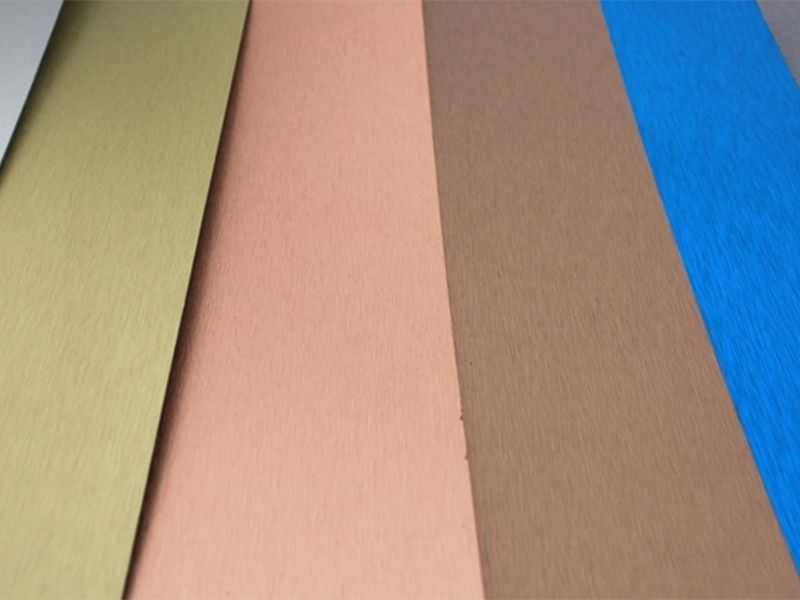
hpl compact board
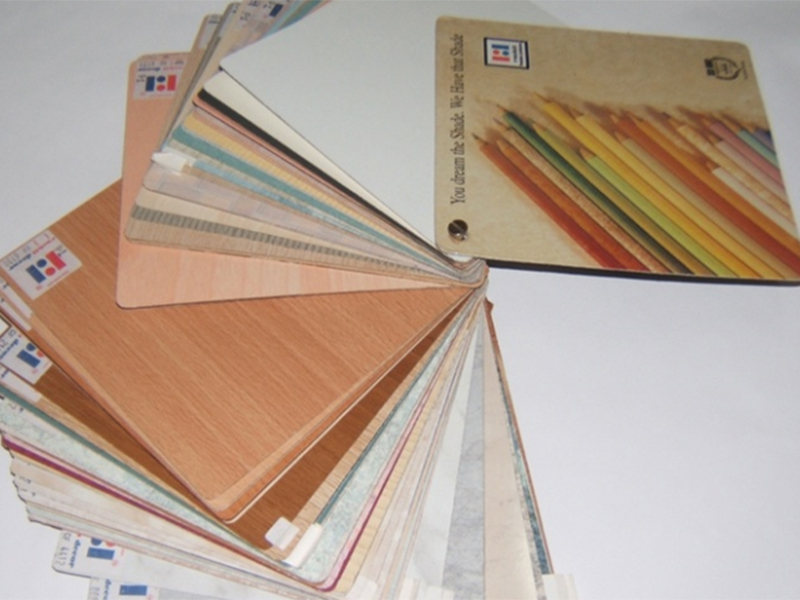
Compact Laminate Colours Collection for Commercial Furniture
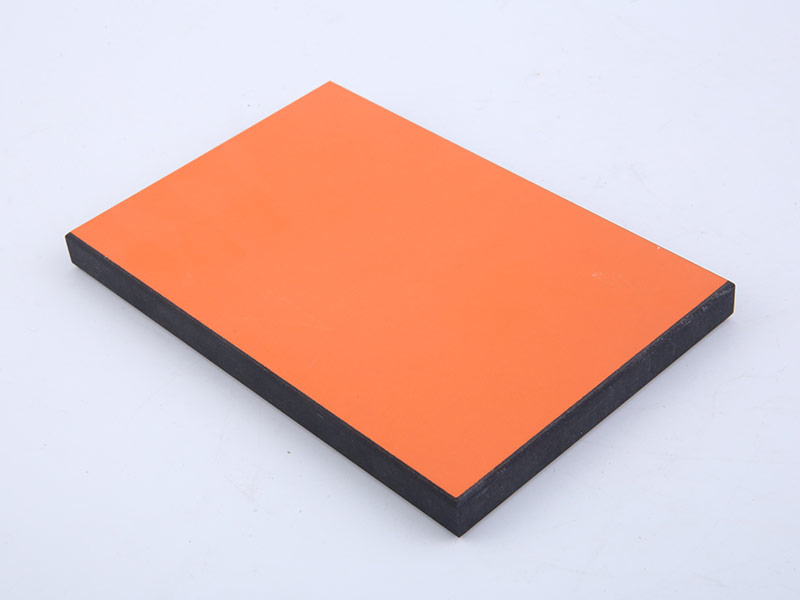
18mm compact laminate
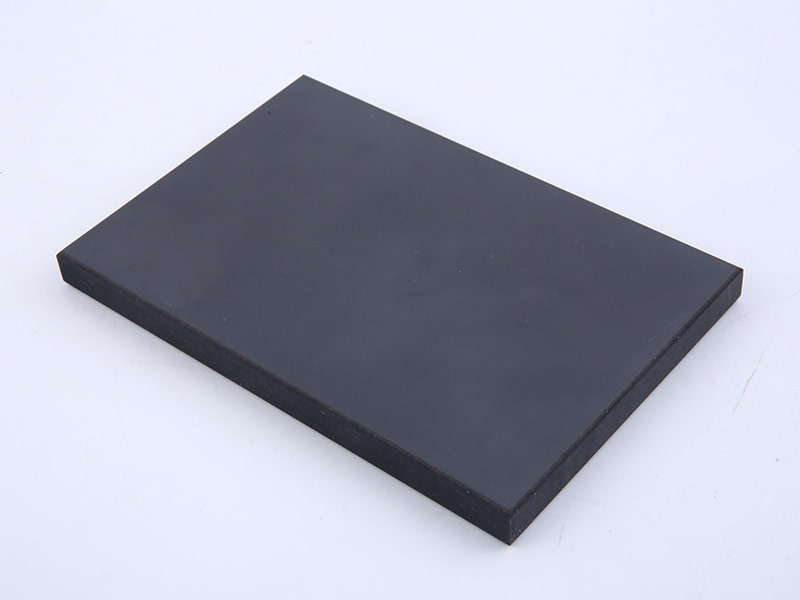
Structural Dark Grey Phenolic Compact Panel for Institutional Fixtures
12mm compact laminate
Structural Black Core Phenolic Compact Panel for Commercial Furniture
Structural Solid Phenolic Compact Laminate Panel