








What is the difference between phenolic panel and HPL laminate
 Aug 12, 2026|
 View:283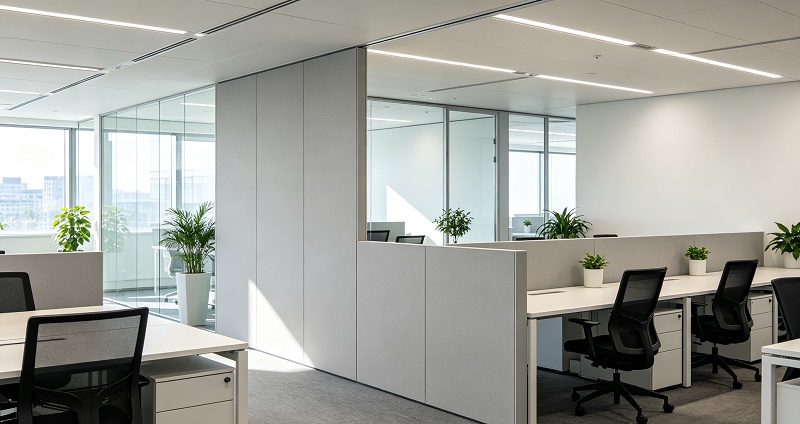
You can easily pick the correct material when you know the main difference between standard hpl and a phenolic panel. You glue thin decorative hpl sheets right onto base boards like MDF or particleboard. On the other hand, solid compact panels work as heavy, strong boards that support themselves without extra layers behind them.
Both materials are made in a very similar way. Factories press layers of paper soaked in resin using high heat and strong pressure. Still, you should check your project's exact needs before choosing either product. Think about weight limits, base materials, total water resistance, and indoor or outdoor weather needs to pick the best option for your building plan.
Key Takeaways
Phenolic panels stand strong on their own without wood backing.
Standard HPL sheets need a wood base board for support.
Solid phenolic panels offer 100% waterproof protection in wet spaces.
Phenolic boards resist strong fires, hard impacts, and harsh chemicals.
Material Composition: Phenolic Panel vs Standard HPL
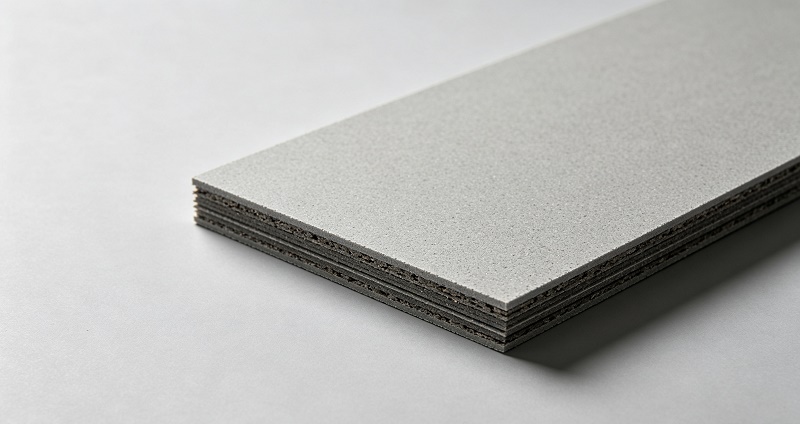
Solid Core Phenolic Panel Structure
Solid core phenolic panels help you build strong dividing walls and sturdy countertops. Factories use high heat and heavy pressure to fuse tough core sheets with decorative surface paper. They add more kraft paper layers to make thicker panels that can reach up to 30mm. Every phenolic panel stays strong and stable in busy areas with lots of daily use. Tianrun® fully soaks every core layer in 100% phenolic resin to ensure long-lasting strength.
This process gives you a stiff phenolic board that easily withstands water, steam, and hard hits. Production plants press these resin layers together to form one solid, solid piece.
Process Parameter | Typical Value |
|---|---|
Curing Temperature | Around 150°C |
Curing Pressure | 70-100 kg/cm² |
This special heat-and-pressure method follows global quality rules like EN 438-7 and NEMA LD 3. As a result, your finished phenolic board stands strong all on its own. You never need extra wood backing to hold up this phenolic board during tough building jobs.
Standard High-Pressure Laminate Layers
Standard high-pressure laminate sheets require a sturdy base board when installed in commercial buildings. Standard hpl works as a thin decorative cover rather than a thick, load-bearing sheet.
Standard HPL construction comprises 6–8 phenolic-impregnated kraft core sheets (total thickness 0.8–1.2 mm), one melamine-impregnated decorative print sheet, and one melamine-impregnated alpha-cellulose overlay (20–30 g/m²).
You glue thin high pressure laminate straight onto particleboard or MDF boards for inside furniture. Standard formica surfaces guard well against scratches on custom woodwork and office cabinets. Standard formica panel thickness runs from 0.5mm to 1.5mm when compared to compact phenolic hpl. Designers pick formica sheets for low-cost wall panels, while compact hpl handles heavy structural work. Tianrun® builds flexible hpl products to match your precise building designs. You can count on compact hpl panels for wet spaces or thin hpl covers for simple indoor furniture updates.
Performance and Durability Benchmark
Moisture Resistance and Waterproofing
Solid core phenolic panels give you unmatched toughness and strength in wet spaces. You can place a solid phenolic board right inside shower stalls and public restrooms because the thick material is 100% waterproof. The solid middle has dense layers soaked in resin. These heavy layers block liquids entirely. Thus, the board never bends when high moisture fills your room.
Standard hpl sheets also feature a protective top coating that stops surface water spills. However, standard hpl panels depend on wood backing boards like particleboard or MDF. Water can leak through open edge seams during daily use. The inner wood pieces then absorb water, swell, and peel apart over time. You need a solid phenolic compact board as the finest choice for wet spots to ensure full long-term strength.
Impact Strength and Wear Resistance
Phenolic compact panels offer great physical strength for busy work spaces. You can rely on Tianrun® compact hpl products in crowded school hallways, health clinics, and bus stations. Their thick solid build resists hard hits, deep scratches, and heavy daily use. The super-dense center holds a high mass density of ≥1450 kg/m³. This high density guards your indoor walls from heavy dents and cracks.
Tianrun® phenolic board products pass rigorous ASTM D1183 chemical resistance testing and hold a Class B1 fire resistant rating for maximum building safety.
You gain strong outer surface protection when choosing a solid phenolic board over thin surface covers. The smooth finish resists tough factory cleaners, acid liquids, and strong hospital sprays. You keep a clean, tough surface without fearing color fading or surface wear. This top quality ensures your indoor setup stays nice for many years.
Application Guide for Phenolic Panels and HPL
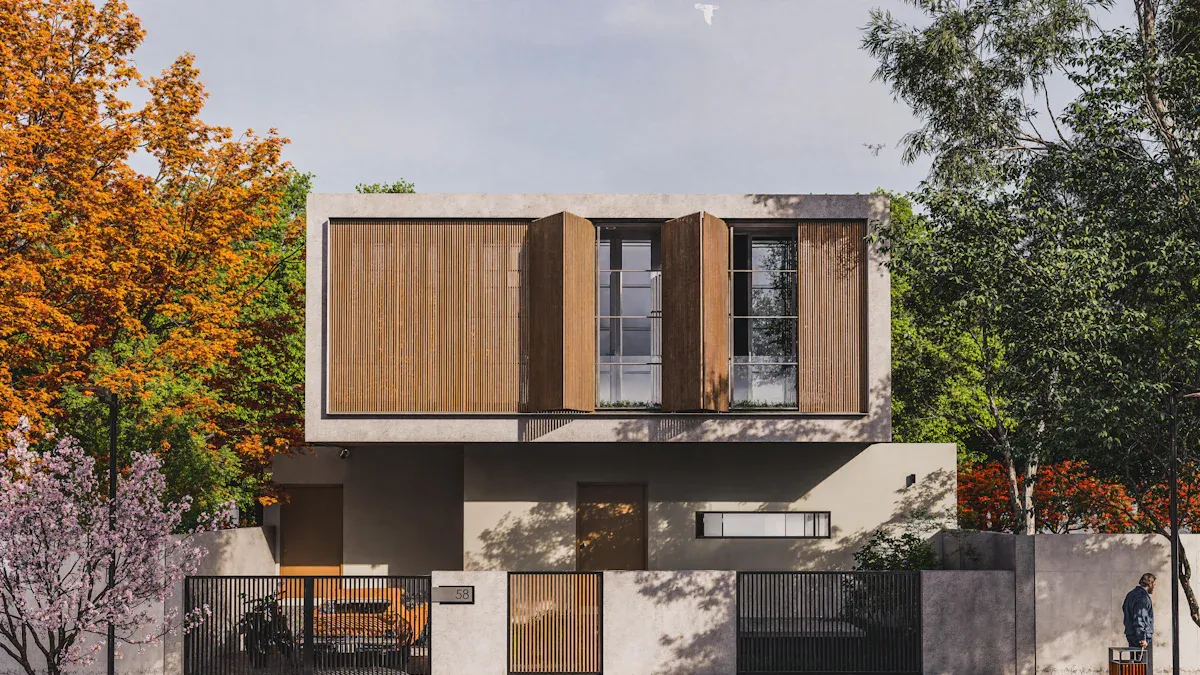
Heavy-Duty Applications for Phenolic Panels
You need sturdy materials for demanding building projects. Solid cores make a phenolic panel superior for heavy-duty construction in harsh spaces. You can install a solid phenolic board inside busy commercial washrooms, airport restrooms, and school science labs. These heavy panels resist constant moisture and aggressive sanitizing chemicals.
Standard laminate countertops fail in wet and chemical environments because the substrate swells and delaminates when exposed to moisture. Compact laminate eliminates this failure mode entirely.
The benefits of phenolic panels become clear in extreme environments where surfaces face daily abuse.
Interior applications: washroom partitions, lockers, wall lining, and furniture.
Laboratory applications: lab work surfaces, fume hood lining, and shelving.
Exterior applications: rainscreen facades, balconies, soffits, and sunshades.
A phenolic board stays 100% waterproof because it lacks a swelling wooden substrate. The waterproof core resists damage from constant liquid exposure. Thus, this phenolic board serves high-traffic areas like commercial kitchens and transit hubs reliably.
Interior Surfacing with Tianrun® High-Pressure Laminate
You can transform indoor spaces easily using thin hpl sheets. Designers choose high-pressure decorative surfaces for lightweight furniture and wall panels. You get outstanding benefits of high-pressure laminate when updating retail stores, clinic rooms, home cabinets, and office desks. Standard formica sheets bond tightly to interior substrate boards for daily functional use.
Tianrun uses a high-pressure press to craft durable formica panels that match modern architectural themes. Standard formica options give you stylish woodgrain, elegant marble, shiny metallic, or vivid solid colors across decorative surface covers.
Category | Available Options |
|---|---|
Color | Solid Colors, Marble, Metallic, Woodgrain |
Finish | Matt, Textured, Glossy, Square |
Flexible hpl products offer great aesthetic value for indoor settings. You can apply formica sheets onto wardrobe doors, kitchen counters, and reception tops. These surface covers provide key benefits, including strong scratch resistance, stain resistance, and simple daily cleaning routines. This quality hpl material keeps interior fittings clean, stylish, and durable over time.
Fire Safety and Code Compliance
Flame Spread and Smoke Ratings
Safety laws set strict fire rules for wall and ceiling products inside public structures. Every builder must check IBC Section 803 rules before buying interior materials for big projects. Special testing labs burn sample boards with the ASTM E84 test method to measure smoke production and fire speed.
Class A Interior Finish: Flame spread rating 0–25; smoke total 0–450.
Class B Interior Finish: Flame spread rating 26–75; smoke total 0–450.
Class C Interior Finish: Flame spread rating 76–200; smoke total 0–450.
Solid phenolic compact panels offer strong fire safety inside crowded public halls. Their thick resin center naturally resists heat since the material contains no soft wooden fillers. During official ASTM E84 trial runs, phenolic panels score between 10 and 25 for fire spread, easily reaching Class A status. Smoke numbers stay safely under 450 while flames touch the board. Burn tests show that solid phenolic boards beat standard plastic covers, HDPE plastic, and real wood while almost matching steel for heat protection.
Thermal Stability and Chemical Safety
Intense heat and pressure create tight chemical bonds inside every strong board. These baked resin sheets easily handle extreme heat during daily industrial work. This high-pressure build prevents the dense core from melting, peeling, or twisting when hot tools touch the surface. Science lab tables, clinic tops, and busy kitchen walls stay smooth without burning or charring over time.
Solid phenolic material acts as a safe shield inside crowded indoor spaces. The heavy center slows heat movement and keeps hot drops from falling onto floor areas during fire emergencies. Safety reviews prove that smooth phenolic tops release tiny amounts of smoke and zero harmful chemical fumes. You get long-lasting strength and reliable service across modern hospitals, schools, and bus stations.
Project Selection and Cost Analysis
Substrate and Installation Requirements
Check your base options carefully before starting any job. Standard thin formica needs a solid backing board for support. Unstable bases ruin the glue, making edges lift and surfaces bubble. Picking moisture-proof bases protects your wood core assemblies from sudden water damage.
Particleboard: Costs less, but expands fast when water leaks into the seams.
Medium-density fiberboard (MDF): Gives a smooth middle that holds screws well and stops edge chips.
Plywood: Holds its shape best and resists bending in damp, heavy-use areas.
Meanwhile, a solid core phenolic panel works on its own without extra backing. You can attach a thick panel right onto metal frames without wood boards. Mounting panels directly saves labor costs, speeds up room assembly, and simplifies construction work.
Long-Term Value and Maintenance
Choosing tough materials for busy places brings great savings. High-pressure formica cuts upfront costs for cabinets, desks, and decorative walls. Yet, formica glued to soft wood can swell if water leaks into open seams.
A thick phenolic panel brings top-tier toughness and incredible physical strength. Its sealed resin middle stands up to hard hits, hot water, and strong cleaners without warping. You reduce long-term costs because compact hpl needs only basic cleaning without special coatings. Protect formica in dry spots and use thick panels in wet areas. Buying good hpl ensures dependable service, sturdy builds, and great style.
You select a solid phenolic panel when you need self-supporting structural strength in high-moisture spaces. Conversely, you choose thin hpl decorative sheets for interior wall panels, countertops, and cabinetry requiring backing support.
Use this simple decision checklist for your next project:
Substrate availability: Pick substrate-bound sheets for particleboard backing, or pick structural compact hpl boards to eliminate extra support.
Humidity and budget: Choose water-immune compact hpl panels for wet rooms, while using standard surfaces for cost-effective dry interiors.
Specifying Tianrun® high-pressure laminate solutions guarantees exceptional durability across commercial spaces. You gain reliable performance benefits and full international safety compliance for every project design.
FAQ
Can you install solid phenolic compact laminate panels without a backing substrate?
Yes, you can mount solid phenolic compact panels right onto metal or wood frames. These thick boards hold up their own weight at sizes up to 30mm. You never need underlying boards like MDF or particleboard.
Why does standard formica surface sheet require a separate core board?
Standard formica decorative sheet measures just 0.5mm to 1.5mm thin. Since thin formica has no real inner strength, you must stick it to an indoor particleboard or MDF substrate to construct solid desks, cabinets, and doors.
Is Tianrun® compact laminate waterproof?
Yes, Tianrun® compact laminate features a 100% resin-soaked center. The solid, sealed surface shuts out all water and steam. You can set up these tough waterproof panels safely in shower stalls, wet restrooms, and humid public spaces without fearing swelling.
What is the main cost difference between solid phenolic panels and formica sheets?
Thin formica sheets carry a lower price tag for basic dry indoor furniture. Even so, solid phenolic panels offer much better value over time in rough or wet areas. You cut repair expenses since solid phenolic boards fight off water harm, hard knocks, and strong cleaning sprays.