








Phenolic Panels: What They Are & Why You Need Them for Unbeatable Durability and Safety
 Feb 05, 2026|
 View:1737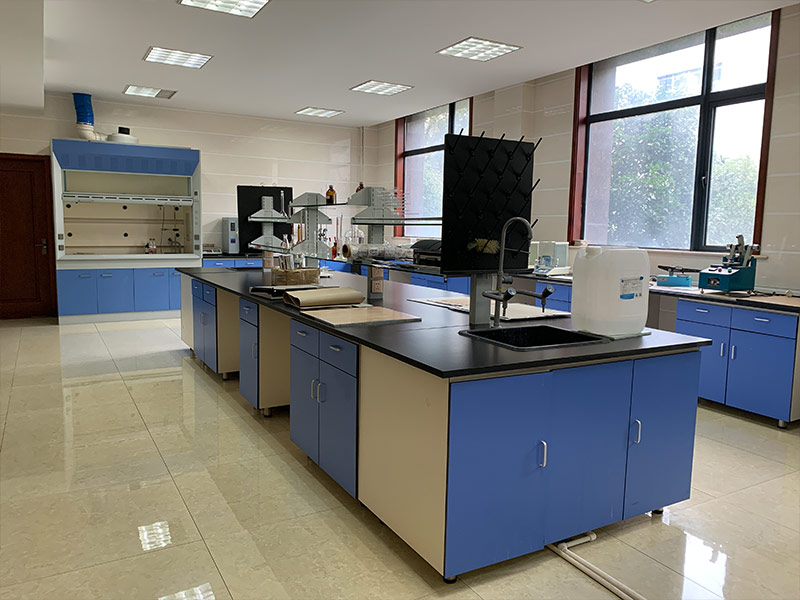
Introduction
In today’s construction and design industries, finding materials that combine strength, safety, and aesthetics is crucial. Phenolic panels have emerged as a top choice for architects, builders, and homeowners seeking reliable solutions for high-traffic or harsh environments. But what exactly are phenolic panels, and why are they gaining global attention? This article dives deep into the world of phenolic panels, explaining their composition, benefits, applications, and how they can transform your projects. Whether you’re working on a hospital, kitchen, or exterior cladding, understanding phenolic panels will help you achieve longevity and compliance with safety standards. As a trusted manufacturer with over 24 years of experience, TRSK specializes in producing high-quality phenolic panels that meet diverse needs. Let’s explore why these panels are indispensable for modern design.
Key Takeaways
- Phenolic panels are durable, fire-resistant sheets made from phenolic resin and cellulose, ideal for demanding applications.
- They offer key benefits like water resistance, ease of maintenance, and customization, suiting interiors and exteriors.
- Applications range from healthcare and laboratories to public spaces, thanks to their compliance with Class B1 fire ratings.
- TRSK’s phenolic panels come in various thicknesses (up to 25mm) and sizes, supported by ISO certifications for quality.
- Choosing phenolic panels can reduce long-term costs and enhance safety, making them a smart investment.
What Are Phenolic Panels?
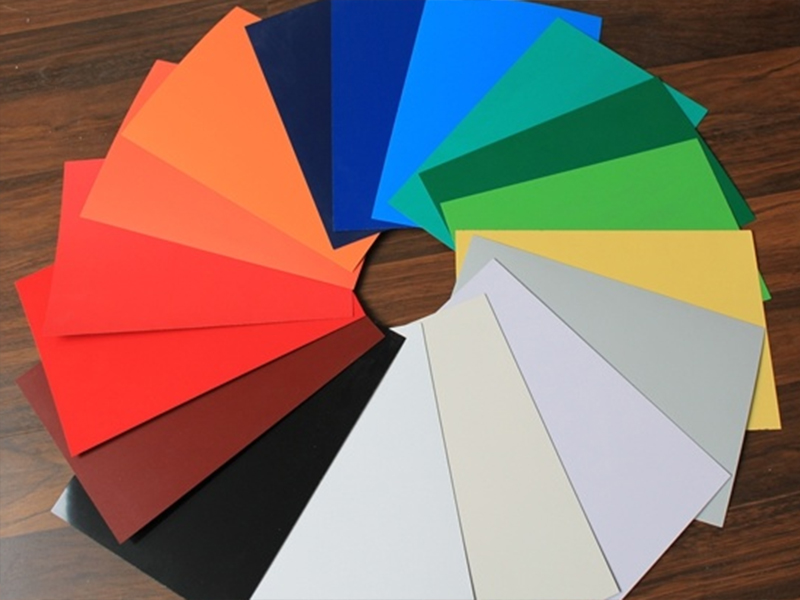
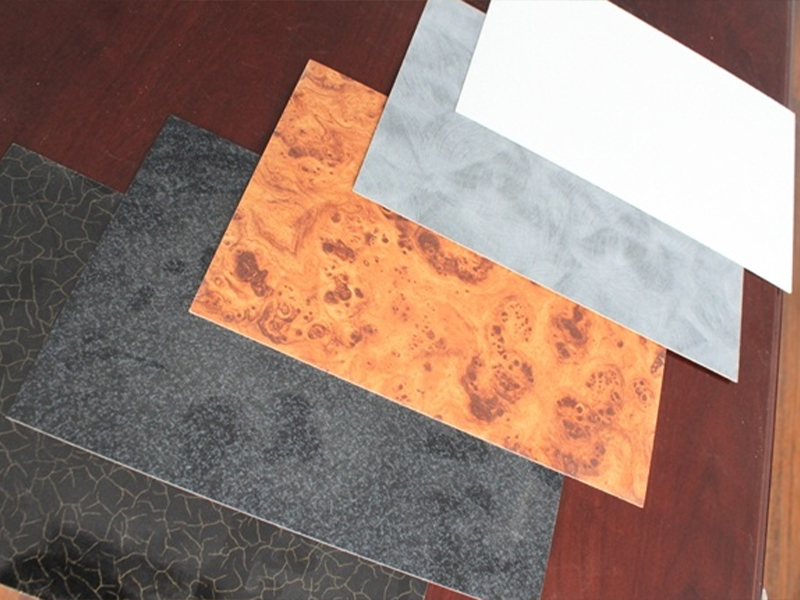
Phenolic panels, also known as phenolic boards or high-pressure laminates (HPL), are engineered materials created by layering phenolic resin-impregnated cellulose sheets and curing them under high temperature and pressure. This process results in a robust, non-porous surface that resists fire, moisture, and chemicals. Unlike traditional materials, phenolic panels are designed for heavy use, offering a lifespan that outperforms wood or plastic. They are commonly used in settings where hygiene and durability are priorities, such as hospitals and laboratories. With options like solid colors, wood grains, or abstract patterns, these panels blend functionality with style, making them a go-to for modern projects. TRSK’s phenolic panels, for instance, are manufactured with precision to ensure consistency and performance, backed by decades of R&D.
The Manufacturing Process: How Phenolic Panels Are Made
The production of phenolic panels involves several meticulous steps to guarantee quality. First, layers of paper are saturated with phenolic resin. Then, they undergo impregnation and are pressed at temperatures around 150°C and pressures of 70-100 kg/cm². This fuses the layers into a solid sheet that is then cut, inspected, and finished. TRSK’s process includes 7 stages—from paper storage to final inspection—ensuring each panel meets international standards like ISO 9001. This attention to detail makes phenolic panels highly reliable, with properties that include low emissions for eco-friendly buildings. The result is a material that stands up to heat, impact, and daily wear, providing a cost-effective solution for long-term use.
Key Properties and Benefits of Phenolic Panels
Phenolic panels boast a range of properties that make them superior to alternatives. Below is a table summarizing their key advantages:
Property | Benefit | Common Applications |
|---|---|---|
Fire Resistance | Class B1 rating prevents flame spread, enhancing safety. | Public buildings, hospitals |
Water Resistance | Impervious to moisture, ideal for humid areas. | Bathrooms, kitchens, exteriors |
Chemical Resistance | Withstands acids and alkalis, easy to clean. | Labs, food processing plants |
Durability | High impact and scratch resistance for long life. | High-traffic spaces like airports |
Customization | Available in various colors, textures, and sizes. | Interior design, furniture |
These benefits stem from the material’s composition, which includes additives for UV resistance in exterior versions. For example, TRSK’s phenolic panels undergo rigorous testing for climate adaptability, ensuring they perform well outdoors. Compared to materials like PVC or wood, phenolic panels offer better longevity and lower maintenance, reducing replacement costs over time.
Applications of Phenolic Panels in Modern Design
Phenolic panels are versatile enough for numerous applications. In healthcare, they are used for hospital walls, countertops, and nurse stations due to their antibacterial properties. In commercial settings, such as airports or shopping malls, they provide durable surfaces for walls and partitions. For furniture, phenolic panels serve as tabletops or cabinets, resisting heat and stains. TRSK’s products, like their chemical-resistant laminates, are specifically designed for labs and industrial environments, showcasing how these panels meet specialized needs. Their exterior-grade options also work for cladding, offering UV protection. This adaptability makes phenolic panels a one-stop solution for designers and builders aiming for both aesthetics and practicality.
Types of Phenolic Panels: Choosing the Right One
There are two main types of phenolic panels: compact boards and plywood-based boards. Compact phenolic panels, like those from TRSK, are made entirely from resin and paper, making them solid and suitable for structural uses. Plywood phenolic panels incorporate wood layers and may require sealing for outdoor use. TRSK offers variations such as solid core panels for enhanced visuals or exterior cladding panels with EBC coating for weather resistance. Understanding these types helps in selecting the right panel—for instance, compact panels are better for wet areas, while thicker options (up to 25mm) suit heavy-duty countertops. TRSK’s range includes customizable sizes, ensuring a fit for any project.
Why Choose Phenolic Panels Over Other Materials?
Phenolic panels outperform alternatives like wood, metal, or plastic in several ways. They are more fire-resistant than wood, more corrosion-resistant than metal, and sturdier than plastic. Their eco-friendly profile, with low VOC emissions, aligns with green building trends. TRSK’s panels, produced in a 60,000㎡ facility, emphasize quality assurance, with patents for innovations like antibacterial treatments. By choosing phenolic panels, clients invest in safety and sustainability, often seeing returns through reduced upkeep. Testimonials from TRSK’s global clients highlight how these panels withstand decades of use, proving their value.
How to Select and Maintain Phenolic Panels
When selecting phenolic panels, consider thickness (0.5mm to 25mm), fire ratings, and surface textures. TRSK provides MOQs of 200 sheets and supports customization for sizes like 1220mmx2440mm. Maintenance is straightforward: regular cleaning with mild detergents preserves the surface. For longevity, avoid abrasive tools. TRSK’s after-sales service includes guidance on care, ensuring panels remain pristine. This ease of use makes phenolic panels a practical choice for busy environments.
TRSK’s Expertise in Phenolic Panels
With 24 years in HPL manufacturing, TRSK brings authority to phenolic panels. Their ISO 14001 and 9001 certifications underscore a commitment to quality, while R&D focuses on advancements like fire-retardant laminates. The company’s global shipments and dealer network ensure reliable supply. By integrating TRSK’s phenolic panels into your projects, you benefit from proven performance and support, tailored to meet specific demands.
FAQ Section
1. What is the fire rating of phenolic panels?
Phenolic panels typically achieve Class B1 fire ratings, meaning they resist ignition and slow fire spread, suitable for safety-critical areas.
2. Are phenolic panels waterproof?
Yes, their non-porous nature makes them water-resistant, ideal for kitchens, bathrooms, or outdoor use with proper coatings.
3. Can phenolic panels be used outdoors?
Absolutely. TRSK’s exterior panels include UV-resistant coatings for climate adaptability, perfect for cladding.
4. How do I clean phenolic panels?
Use a soft cloth and mild soap; avoid harsh chemicals to maintain the surface.
5. Do you support custom sizes and designs?
TRSK offers OEM services, allowing customization of sizes, colors, and logos to match project needs.
6. What is the minimum order quantity?
MOQ is 200 sheets, with bulk discounts available for large orders.
7. How long do phenolic panels last?
With proper care, they can last over 20 years due to high durability.
8. Are phenolic panels eco-friendly?
Yes, they feature low emissions and are made with sustainable processes, aligning with green standards.
Conclusion
Phenolic panels represent a smart fusion of durability, safety, and design flexibility. By incorporating them into your projects, you can achieve lasting results that meet modern standards. TRSK’s expertise ensures that every panel delivers on its promises, backed by decades of innovation. For a quote or to learn more, visit TRSK’s website and explore their phenolic panel solutions today.


Recent News
1.Why choose HPL laminate when decorating?
2022-07-042.Introduction and materials of external wall cladding panels?
2022-07-133.About the advantages of exterior cladding panels
2022-07-114.What are the types of Exterior wall cladding?
2022-07-065.What is HPL Board?
2025-10-206.What is Phenolic Board?
2025-10-09