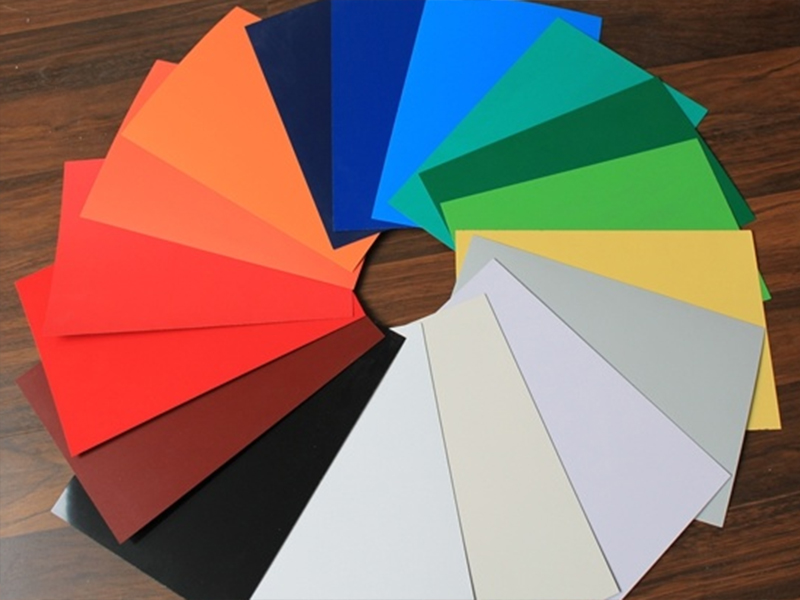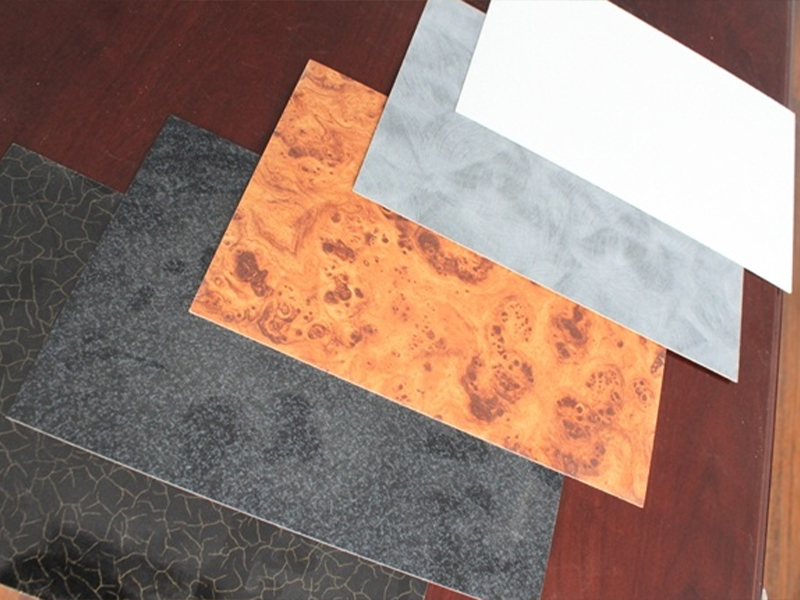








What is Phenolic Board?
 Oct 09, 2025|
 View:2721
In the field of construction and industrial materials, phenolic boards have gradually become the preferred material for thermal insulation, fire protection, and corrosion resistance scenarios with their excellent performance. As a new generation of green building materials, phenolic boards not only comply with the global trend of energy conservation and emission reduction but also meet diversified engineering needs through technological innovation. This article comprehensively answers the core question "what is a phenolic board" from perspectives of definition, classification, application, and supplier selection.
I. The Essence and Core Characteristics of Phenolic Boards
Phenolic boards are closed-cell rigid foam plastics made from phenolic resin as the base material through a foaming process. The benzene ring structure in its molecular structure gives the material excellent stability. Combined with additives such as flame retardants and smoke suppressants, it forms the following core advantages:
Outstanding fire performance: Combustion grade reaches B1 (Chinese standard). When exposed to fire, a carbonized layer forms on the surface, effectively blocking flame spread without producing molten drops or toxic gases.
High thermal insulation efficiency: Thermal conductivity as low as 0.022-0.030 W/(m·K), equivalent to polyurethane and far superior to traditional rock wool and polystyrene.
Strong weather resistance: Stably used in -196℃ to 200℃ environments, adapting to extreme temperatures while resisting chemical corrosion and aging.
Environmental protection and safety: No freon used in production. High-temperature decomposition releases only small amounts of CO, with smoke density below 5, complying with international environmental standards.
II. Main Types and Application Scenarios of Phenolic Boards
According to production processes and uses, phenolic boards fall into three categories with distinct performance focuses:
1. Compact Phenolic Board
Characteristics
Manufactured through high-pressure lamination with density ≥35 kg/m³. Surfaces can be covered with aluminum foil, mortar, or decorative layers, balancing structural strength and functionality.
Applications
Building exterior walls: Core layer of composite insulation boards enhancing fire performance.
Cold storage/granaries: Closed-cell structure blocks water vapor, preventing condensation and maintaining low temperatures.
Public facility partitions: Toilet partitions in hospitals/schools utilizing waterproof/moisture-proof properties.
2. High Pressure Laminate Phenolic Board (HPL)
Characteristics
Made by high-temperature pressing of resin-impregnated kraft paper and decorative paper (thickness >1mm). Known as "compact laminate" with hard, wear-resistant surfaces.
Applications
Clean rooms: Laboratories/pharmaceutical factories requiring high cleanliness and anti-static properties.
Furniture/countertops: Kitchen countertops/lab workbenches withstanding frequent use and chemical exposure.
Transportation: Subway/airport wall decorations balancing aesthetics and fire safety.
3. Modified Phenolic Board (Composite Type)
Characteristics
Surface-coated with mesh cloth mortar or interface agents to solve traditional phenolic board brittleness, achieving A-level fire standards while boosting strength.
Applications
High-rise building exteriors: Meets stricter fire regulations, replacing traditional EPS boards.
Industrial pipelines: Chemical/power industry pipelines resisting corrosive media.

III. How to Choose a Quality Phenolic Board Supplier?
Among numerous suppliers, TRSK stands out with:
Technical Strength
27 years of phenolic product manufacturing experience, mastering closed-cell foaming and high-pressure lamination technologies.
ISO9001-certified products with GB8624 fire detection compliance. Performance parameters (thermal conductivity, oxygen index) exceed industry standards.
Customization Capabilities
Full-process control from raw materials to finished products. Supports thickness (20-100mm), size, and surface treatment (aluminum foil/mortar) customization.
Rich project experience including BYD Xi'an Factory and Huagong Technology Industrial Park.
Sustainability Focus
Complies with EU ROHS directives, using zero-pollution production processes to support LEED/BREEAM certifications.
Offers 10-year warranties to reduce long-term maintenance costs.
IV. Future Trends of Phenolic Boards
With "dual carbon" goals advancing, phenolic boards show potential in:
Cold chain logistics: Rising cold storage demand drives low-thermal-conductivity, high-strength product R&D.
Prefabricated buildings: Modular production combined with lightweight properties improves construction efficiency.
Global expansion: Middle Eastern/Southeast Asian markets increasingly demand fire-resistant materials. TRSK has already initiated export operations.

V. Summary: Choose TRSK for Win-Win Solutions
Phenolic boards redefine modern construction standards with their versatile performance. Whether it's the compact structure of compact phenolic board or the integrated decoration/functionality of HPL phenolic board, TRSK delivers EEAT-compliant solutions. Committed to technological innovation and customer-centric services, we help global projects achieve safety, energy efficiency, and sustainability.
Contact TRSK today for tailored phenolic board solutions and join us in building a greener future!
FAQ:
Dimensions: Custom sheet sizes, thicknesses (from 20mm to 100mm, and beyond upon discussion).
Density: Adjust density to meet specific structural or insulation requirements.
Surface Treatment: Supply boards with various facings like aluminum foil, glass fiber mesh with mortar, kraft paper, or specific decorative laminates (HPL) for different applications.
Incoming Material Inspection: All raw materials are checked upon arrival.
In-Process Control: Key parameters (density, cell structure, dimensional stability) are monitored in real-time during foaming and curing.
Final Product Testing: Every batch undergoes rigorous checks for thermal conductivity, fire resistance, and compressive strength before shipment.
Waterproof plastic wrapping to protect against moisture.
Strong wooden pallets for secure stacking and forklift handling.
Corner protectors and reinforced strapping to prevent edge damage.
Intended Application (e.g., exterior wall insulation, clean room panel, cold storage).
Product Type (Compact, HPL, or Modified Composite).
Required Specifications (Dimensions, Thickness, Density, Surface Type).
Estimated Quantity (Square Meters or number of containers).
Destination Port.