








Which is better MDF or HPL?
 Sep 01, 2025|
 View:9323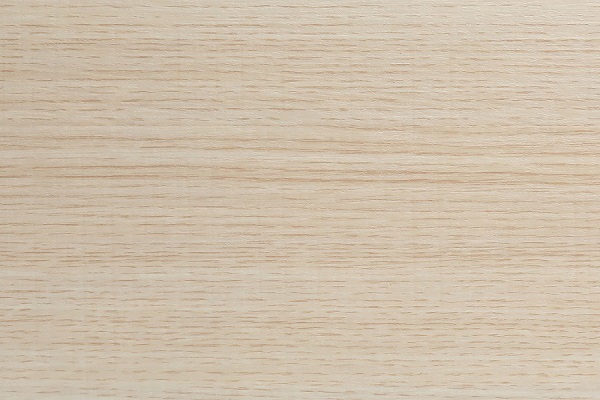
In the fields of office furniture, interior decoration, and building materials, MDF (Medium-Density Fiberboard) and HPL (High-Pressure Laminate) are two widely used and highly debated materials. As a consumer or procurement professional, how do you choose the right material for your needs? This article will analyze the differences between the two from perspectives of performance, price of HPL sheet, application scenarios, and corporate strengths, leveraging TRSK’s expertise to help you make an informed decision.
I. Definitions and Core Characteristics of HPL vs. MDF
1. HPL (High-Pressure Laminate)
HPL is a composite material made by fusing multiple layers of resin-impregnated paper under high temperature and pressure. Its surface is typically coated with a decorative layer that mimics wood, stone, or geometric patterns. Key features include:
Exceptional Durability: Scratch-resistant, heat-tolerant, and stain-proof, ideal for high-traffic commercial environments.
Antibacterial Properties: Some HPL sheets include antimicrobial coatings, suitable for medical or office settings.
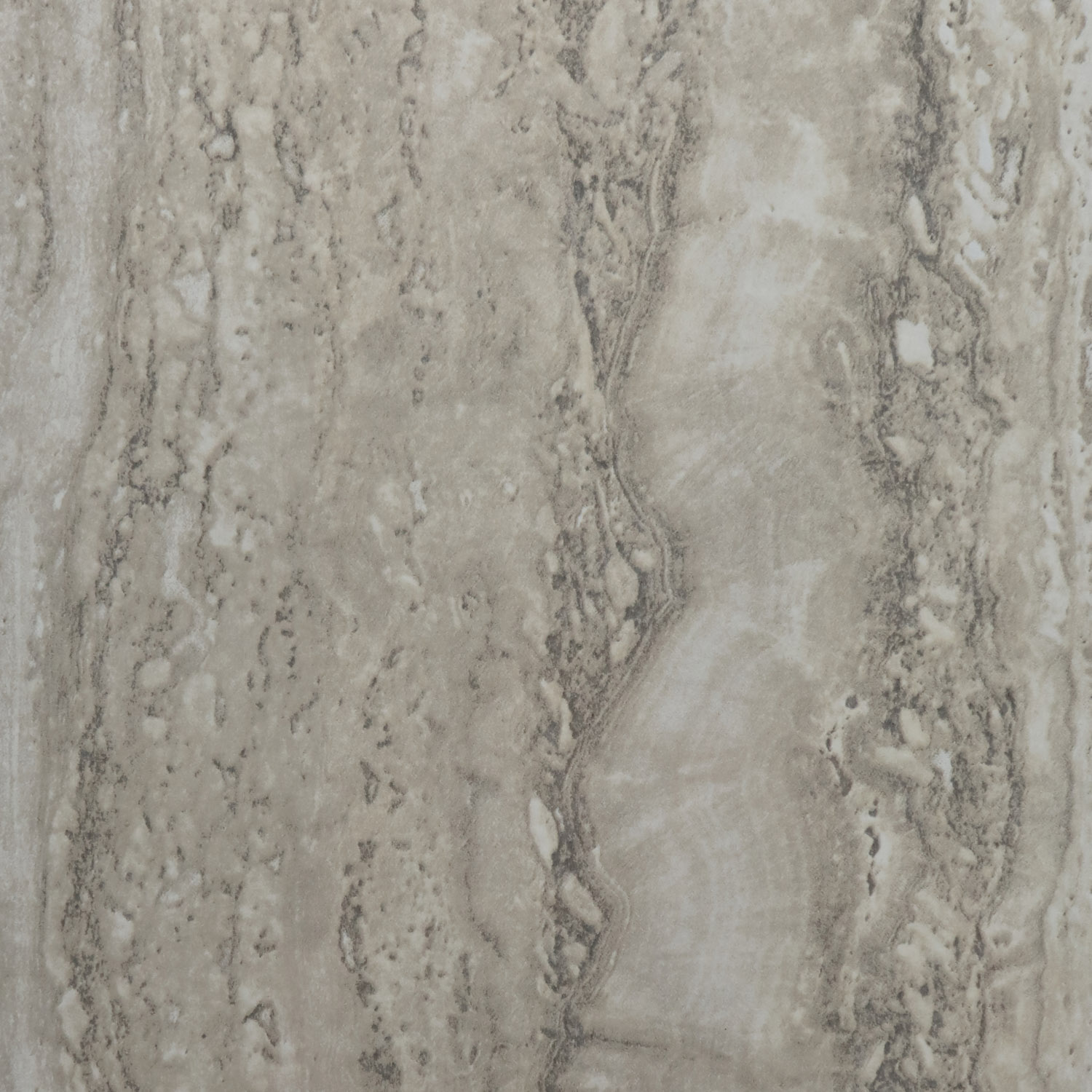
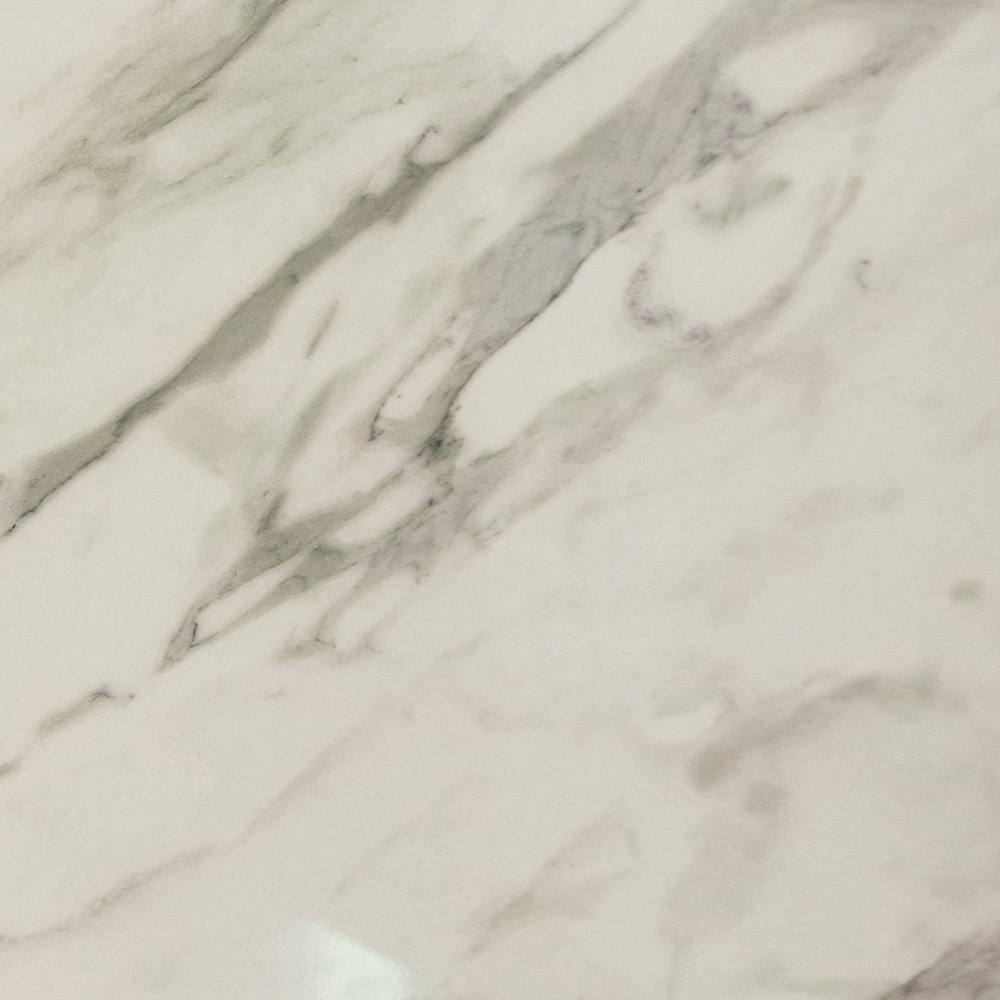
Design Flexibility: Offers diverse colors and textures to meet customization needs.
2. MDF (Medium-Density Fiberboard)
MDF is manufactured by compressing wood fibers and adhesives under heat. While its surface is smooth, it requires additional veneering. Key traits include:
Ease of Processing: Easy to cut and carve, ideal for intricate furniture designs.
Eco-Friendliness: Some products use recycled wood fibers, aligning with sustainability trends.
Limitations: Prone to moisture damage and weaker load-bearing capacity.
II. Performance Comparison: HPL vs. MDF
1. Durability and Maintenance Costs
HPL: High surface hardness and impact resistance ensure long-term use with minimal wear. Cleaning requires only a damp cloth, reducing maintenance costs.
MDF: Requires veneers (e.g., melamine or PVC) for enhanced durability, but seams are vulnerable to moisture, leading to potential swelling.
2. Environmental Adaptability
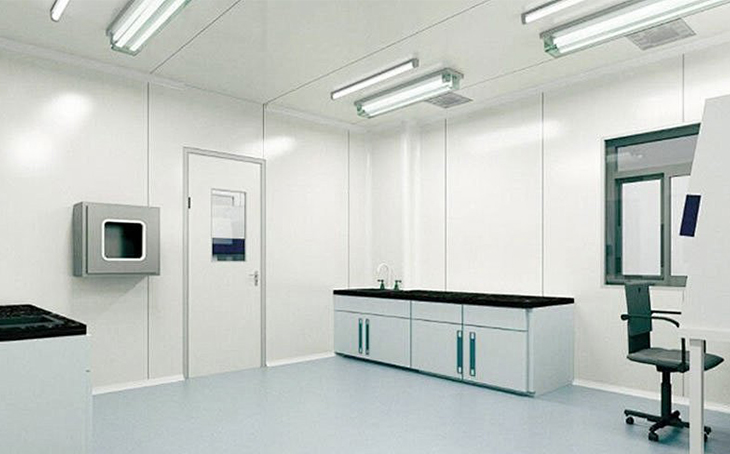
HPL: Excellent moisture resistance, suitable for kitchens, labs, or humid environments; heat resistance allows direct contact with hot objects.
MDF: Avoid exposure to water to prevent warping. Best for dry indoor spaces like closets or bookshelves.
3. Aesthetics and Design
HPL: Customizable finishes (wood, stone, or metallic textures) create seamless, high-end visuals.
MDF: Requires painting or veneers, limiting design flexibility. Visible seams may compromise aesthetics.
III. Price Analysis: The Cost-Effectiveness of HPL Sheets
1. Positioning of the Price of HPL Sheet
The price of HPL sheet varies by thickness, brand, and design, typically ranging from $3.5 to $30 per square meter (wholesale), with premium custom options costing more. In contrast, standard MDF panels are cheaper (around $10–$20 per cubic meter) but require additional veneering expenses.
2. Long-Term Cost Considerations
HPL: Higher initial investment is offset by its longevity and low maintenance, reducing replacement costs over time.
MDF: Lower upfront costs, but moisture damage may lead to frequent repairs or replacements.
TRSK’s HPL Solution: Through scaled production and innovation, TRSK delivers high-quality HPL sheets at a competitive price of HPL sheet, ideal for bulk commercial purchases.
IV. Recommended Applications
1. Typical Uses for HPL
Commercial Spaces: Office desks, countertops, hospital walls (antibacterial variants).
Home Decor: Kitchen countertops, bathroom cabinets.
Outdoor Furniture: Waterproof HPL for semi-outdoor environments.
2. Suitable Applications for MDF
Lightweight Furniture: Bookshelves, decorative wall panels, DIY crafts.
Temporary Installations: Exhibition props, low-cost office partitions.
V. How to Choose: Key Decision Factors
1. Budget and Usage Duration
Short-term projects or tight budgets: Opt for MDF with veneers.
Long-term, high-frequency use: Prioritize HPL to minimize total ownership costs.
2. Environmental Conditions
Humid or dusty environments: HPL’s moisture and stain resistance make it superior.
3. Design Requirements
Seamless integration and premium finishes: HPL is the optimal choice.

VI. Why Choose TRSK’s HPL Sheets?
As an industry-leading supplier, TRSK offers the following advantages in HPL solutions:
Cost-Effectiveness: Competitive price of HPL sheet through optimized production processes.
Eco-Certifications: Low-formaldehyde adhesives comply with international standards (e.g., E1 grade).
Customization: Tailored textures, thicknesses, and sizes for diverse needs.
Technical Support: End-to-end guidance from material selection to installation.
Conclusion
Both HPL and MDF have unique strengths, and the choice depends on performance, cost, and application needs. If you prioritize durability, aesthetics, and long-term value, HPL is the clear winner. TRSK combines a competitive price of HPL sheet with professional expertise to help you create functional and visually appealing spaces.
Visit the TRSK HPL Product Page today to explore customized solutions!
FAQ
Q1: For large-scale projects like office fit-outs or hotel renovations, what are the key advantages of using TRSK HPL over MDF?
Durability & Lower Lifetime Cost: HPL's resistance to scratches, impacts, and moisture ensures furniture lasts longer in high-traffic areas, reducing replacement and maintenance costs across hundreds of units.
Consistent Quality & Aesthetics: We guarantee color and texture consistency across large batches, crucial for creating a uniform, professional look throughout a large space.
Streamlined Maintenance: Easy cleaning with a damp cloth simplifies facility management protocols, saving time and resources.
Fire Safety: Class B (Chinese GB), with testing available for ASTM E84 (Class A/B) and EN 13501-1 (B-s1, d0).
Emissions: We adhere to strict E1 and E0 formaldehyde emission standards, and our products are compliant with CARB Phase 2 requirements. Certificates are available upon request.
Detailed installation guides and best practices.
2D CAD drawings and 3D texture files for easy integration into your design plans.
Direct access to our technical experts for consultation.


Recent News
1.Benefits of Using HPL Sheets in Design
2024-11-212.Why choose HPL laminate when decorating?
2022-07-043.HPL Laminate vs. Other Surface Materials
2024-12-294.What is HPL in Wood?
2025-04-255.Choosing the Right HPL Laminate for Projects
2024-11-216.5 Ways HPL Laminate Transforms Interior Spaces
2023-10-087.What is the difference between laminate and high pressure laminate?
2025-08-26