







Understanding the Benefits of Phenolic Boards
 Sep 30, 2026|
 View:7275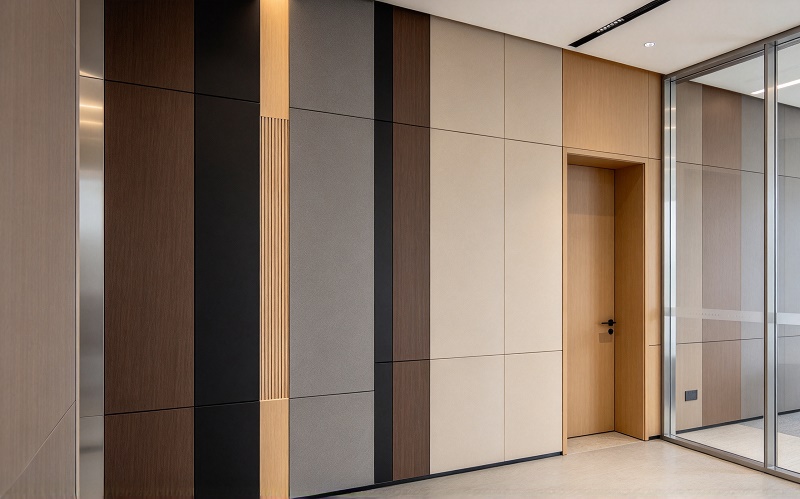
In the rapidly evolving landscape of materials engineering, phenolic boards stand out as a versatile and durable solution. These high-pressure decorative fireproof panels are increasingly being used across various industries due to their impressive properties. Whether you're a newcomer to the manufacturing industry or a seasoned business analyst, understanding the benefits of phenolic boards can provide valuable insights into their applications and advantages.
TRSK has been manufacturing high-performance phenolic boards since 1998. With over 24 years of experience, automated production lines, and international certifications including ISO 9001, CE, and FSC, we bring deep technical expertise to every project. This guide draws on our manufacturing and application knowledge to answer the questions we hear from distributors, contractors, and specifiers every day.
What Are Phenolic Boards?
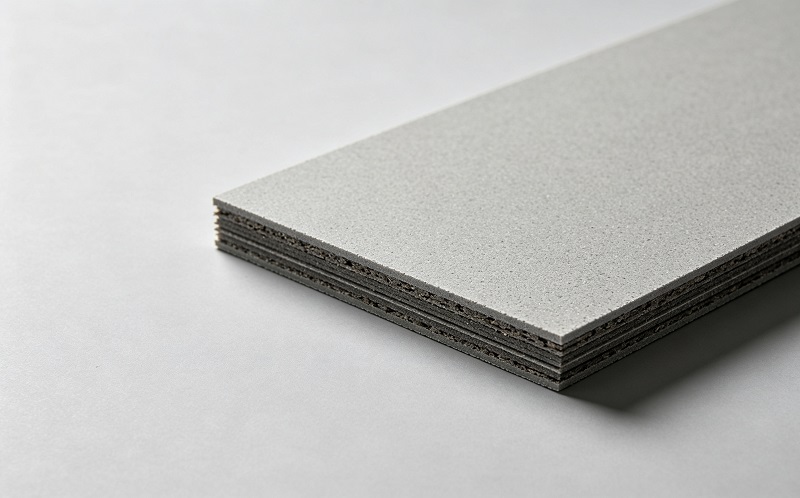
Phenolic boards, also known as phenolic laminates or phenolic panels, are composite materials made by applying heat and pressure to layers of paper or fabric impregnated with phenolic resin. This process creates a dense and robust sheet that can withstand significant stress and environmental challenges. The resulting phenolic sheet is known for its excellent mechanical strength, chemical resistance, and thermal stability.
Composition and Manufacturing Process
The manufacturing process of phenolic boards involves a meticulous layering technique where sheets of paper or fabric are soaked in phenolic resin. These layers are then subjected to high heat and pressure, resulting in a solidified material that retains the structural and aesthetic qualities of its components. This high-pressure laminating process is key to ensuring the durability and fire resistance of the boards.
Key Benefits of Phenolic Boards
Phenolic boards offer several advantages that make them a preferred choice in various sectors. Here are the primary benefits:
Exceptional Durability
One of the most significant advantages of phenolic boards is their durability. The high-pressure laminating process gives these boards a robust structure, making them resistant to wear and tear. This durability extends their lifespan, making them an economical choice for long-term applications.
Fire and Heat Resistance
Phenolic boards are inherently fire-resistant, a property that is crucial in industries where safety is paramount. The phenolic resin used in the manufacturing process contributes to this fire resistance, allowing the boards to withstand high temperatures without losing structural integrity.
Chemical Resistance
In environments where exposure to chemicals is a concern, phenolic boards excel due to their chemical resistance. This makes them suitable for use in laboratories, hospitals, and other settings where chemical exposure is frequent.
Moisture Resistance
Phenolic boards are also resistant to moisture, which prevents warping and other damage caused by water exposure. This makes them ideal for use in areas prone to humidity or wet conditions, such as kitchens and bathrooms.
Performance Data and Certifications
For specifiers and procurement teams, verified performance data matters more than marketing language. TRSK's phenolic boards are tested to international standards, with results that support confident specification across demanding applications.
| Property | Standard | Result |
|---|---|---|
| Fire Rating | ASTM E84 / EN 13501-1 | Class A / B1 |
| Water Absorption | EN 438-2 | <1% |
| Abrasion Resistance | EN 438-2 | ≥870 revolutions |
| Tensile Strength | ISO 527 | ≥63 MPa |
| Density | ISO 1183 | ≥1450 kg/m³ |
| Formaldehyde Emission | EN 717-1 | E0 / CARB Phase 2 |
TRSK's phenolic boards carry ISO 9001, CE, and FSC certifications. Third-party test reports are available upon request for project submittals.
How Phenolic Boards Compare to Other Materials
When specifying materials, a side-by-side comparison helps clarify trade-offs. The table below compares phenolic boards to common alternatives across key decision factors.
| Factor | Phenolic Board | Standard HPL | Melamine | Natural Stone |
|---|---|---|---|---|
| Waterproof | Yes (solid core) | Surface only | No | Yes |
| Fire Rating | Class A / B1 | Class B1 | Not rated | Non-combustible |
| Chemical Resistance | Excellent | Good | Moderate | Moderate |
| Self-Supporting | Yes | No (needs substrate) | No | Yes |
| Weight | Lightweight | Lightweight | Lightweight | Heavy |
| Design Variety | Extensive | Extensive | Moderate | Limited |
Applications by Target Market
For Building Material Distributors and Wholesalers
Distributors need products that move. Phenolic boards offer a compelling resale proposition: high margins, low breakage rates, and a product that sells across multiple industries. TRSK supports distributors with flexible MOQs, stable lead times, and batch-to-batch color consistency. With seaworthy wooden crate packaging and 12 packages per 20-foot container, your inventory arrives ready for local distribution.
For Engineering Contractors and Construction Companies
On site, phenolic boards install faster and fail less. They are self-supporting—no substrate required—and can be cut, drilled, and routed with standard woodworking tools. For exterior cladding, balcony partitions, and washroom systems, they eliminate the moisture-related callbacks that plague wood and metal panels. Fire ratings documented to ASTM E84 and EN 13501-1 keep inspectors satisfied and projects on schedule.
For Furniture and Cabinet Manufacturers
Phenolic boards machine cleanly, hold fasteners, and resist moisture—making them ideal for kitchen cabinets, outdoor furniture, and commercial casework. Their density (≥1450 kg/m³) ensures strong screw-holding power, while the E0 formaldehyde rating supports healthy indoor air quality. With a wide range of textures and finishes, you can create products that look high-end and perform in the harshest conditions.
For Professional Solution Providers
Hospitals, laboratories, and food processing facilities require surfaces that meet strict hygiene protocols. Phenolic boards provide a non-porous surface that resists chemicals, withstands repeated disinfection, and inhibits bacterial growth. With Class A fire ratings and moisture resistance below 1%, they satisfy the most demanding compliance requirements in healthcare and scientific environments.
Procurement and Supply Capabilities
| Item | Specification |
|---|---|
| MOQ | 200 sheets |
| Delivery | 20 days after deposit |
| Packaging | Seaworthy wooden crates, 12 packages per 20-foot container |
| Customization | Sizes, colors, textures, brand logo |
| Samples | Free samples available for evaluation |
Innovations in Phenolic Board Manufacturing
The manufacturing sector is continuously innovating to improve the quality and performance of phenolic boards. Recent advancements have focused on enhancing the sustainability and environmental impact of these materials.
Sustainability and Environmental Impact
Manufacturers are increasingly adopting eco-friendly practices in the production of phenolic laminates. This includes using sustainable raw materials and optimizing the manufacturing process to reduce waste and energy consumption. These efforts contribute to a smaller environmental footprint, aligning with global sustainability goals.
Customization and Aesthetic Appeal
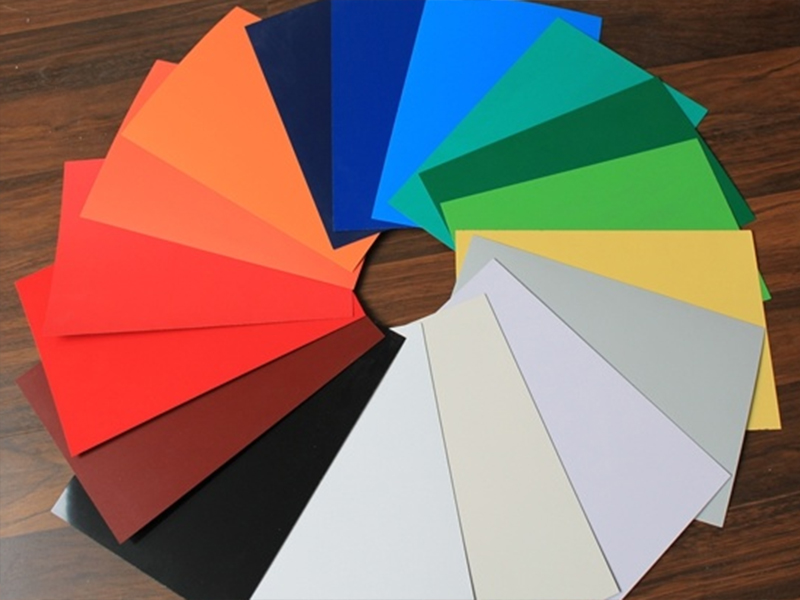
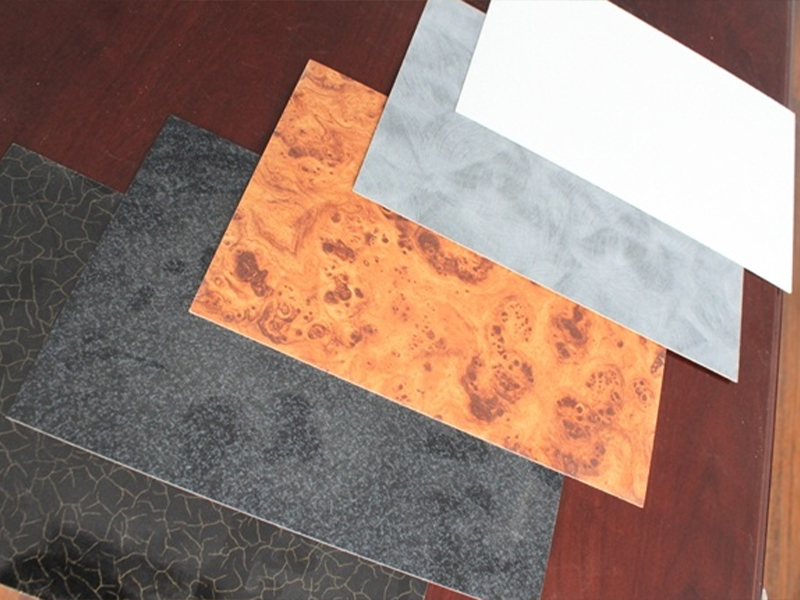
Advancements in technology have also allowed for greater customization of phenolic boards. Designers can now choose from a wide array of colors, textures, and finishes to meet specific aesthetic requirements. This flexibility in design makes phenolic panels a versatile choice for architects and interior designers.
Conclusion
Understanding the benefits and applications of phenolic boards provides a comprehensive view of their role in the modern manufacturing landscape. Their durability, resistance to fire, chemicals, and moisture, combined with their aesthetic versatility, make them a valuable asset across multiple industries. As innovations continue to enhance their performance and sustainability, phenolic boards are poised to remain a critical component in the production of high-pressure decorative fireproof panels.
For anyone new to the manufacturing industry or seeking to make informed business decisions, staying informed about the latest advancements and applications of phenolic boards can offer significant insights. By leveraging these benefits, businesses can optimize their use of materials to enhance safety, performance, and design in their projects.
FAQ
Q1: What fire rating do phenolic boards achieve?
A: TRSK phenolic boards achieve Class A under ASTM E84 and Class B1 under EN 13501-1, meeting building code requirements for commercial and public installations.
Q2: Are phenolic boards waterproof?
A: Yes. Phenolic boards have a solid, non-porous core with water absorption below 1%. They do not require edge sealing, making them suitable for bathrooms, kitchens, laboratories, and exterior applications.
Q3: Can phenolic boards be used outdoors?
A: Yes. Phenolic boards resist UV, moisture, and temperature extremes. They are used for exterior cladding, balcony partitions, and outdoor furniture.
Q4: What is the difference between phenolic board and standard HPL?
A: Standard HPL is a thin decorative sheet that requires a substrate. Phenolic board is a solid, self-supporting panel with a waterproof core. It can be used structurally without backing.
Q5: What is the minimum order quantity and delivery time?
A: TRSK offers a MOQ of 200 sheets with delivery in 20 days after deposit. Custom sizes and colors are available.
Q6: Do you provide samples and technical documentation?
A: Yes. Free samples and full technical data sheets are available. Contact our team to request documentation for your project.