








HPL Wall Panels and Laminate Materials
 Jul 14, 2026|
 View:488
You see hpl wall panels and laminate materials in many places today. Hpl means high pressure laminate. This material is made by pressing paper and resin together. It is strong and lasts a long time. You can find hpl in kitchens, bathrooms, offices, and hospitals. Many designers pick laminate for countertops, cabinets, and wall coverings. You must choose the right kind for each place. In kitchens and clinics, it should resist water and be easy to clean. In hotels and shops, it should look nice and last long.
Key Takeaways
HPL wall panels are strong and do not scratch easily. This makes them good for busy places like schools and hospitals.
Pick the right laminate for your project. Standard HPL works well inside. Compact laminate is better if you need more strength.
HPL panels come in many designs. You can choose different colors, patterns, and textures to match any style.
Taking care of HPL panels is simple. Just clean them with mild soap and water to keep them looking nice.
Buying high-pressure laminates saves money over time. They last a long time and do not need much care.
HPL Wall Panels Overview
Composition and Structure
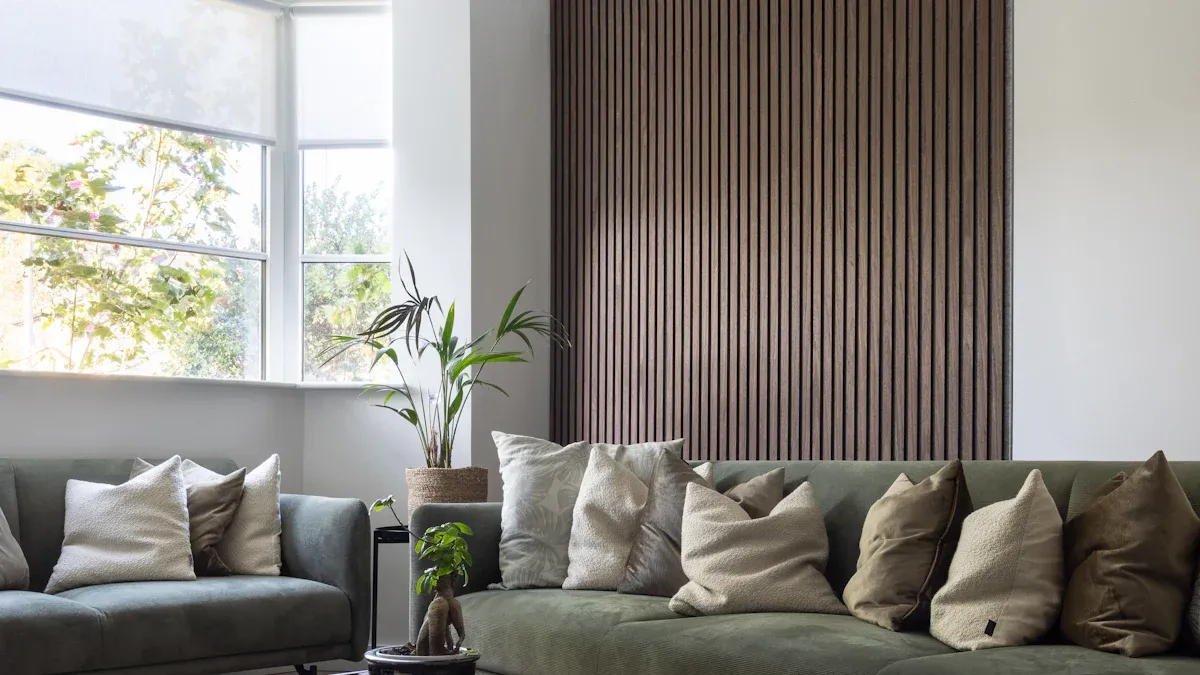
Hpl wall panels are made to be strong and look nice. They have many layers that help them last and stay pretty. The core has kraft paper soaked in phenolic resin. This makes the panel strong and thick. On top, there is a decorative paper layer. It uses melamine resin and can look like wood, stone, or any color. The surface gets a special protective layer. This layer helps stop scratches, UV rays, and chemicals.
Hpl sheets are often glued to MDF or particleboard for indoor walls. Compact laminate panels have a thick core and do not need a base. Exterior hpl panels use UV-stable resins and colors that do not fade in sunlight.
Here is a table showing the layers in hpl panels:
Layer Type | Description |
|---|---|
Overlaid Protective Surface | UV and scratch-resistant layer that protects the panel's surface. |
Decorative Paper Layer | Melamine-impregnated layer for color and texture. |
Thermosetting Core | Kraft papers with phenolic resin for strength and structure. |
Each layer helps hpl panels stay strong, safe, and nice to look at.
Manufacturing Process
Hpl panels get their strength from a careful process. Heat and pressure are used to make them tough. Here are the main steps:
Workers bring kraft paper, phenolic resin, and decorative paper.
They treat the papers with resins. The core gets phenolic resin. The decorative paper gets melamine resin.
The layers are stacked in order.
The stack goes into a press. High heat and pressure join the layers into one sheet.
The sheet cools down. Workers sand and trim the edges.
Machines cut the panels to the right size.
Finished panels are stored before shipping.
Quality checks happen at every step. These checks help the panels last longer and resist damage. TRSK uses advanced machines and follows ISO rules. This makes sure you get good hpl wall panels every time.
Key Features
Hpl wall panels have many good points. Here are some features that make them special:
Hpl panels give great thermal insulation. Rooms stay cooler in summer and warmer in winter.
These panels weigh less than stone or tile. You can install them faster and easier.
Hpl cladding uses smart mounting systems like aluminum brackets. This saves time and money.
You spend less on maintenance. The panels resist stains, scratches, and moisture.
The panels last a long time. You can expect 10–15 years indoors and even longer outside with the right type.
Hpl wall panels cost less than many other wall finishes. You save on materials, labor, and energy bills.
TRSK is a leader in hpl panels. The company offers many products, like decorative hpl, compact laminate, and exterior hpl panels. TRSK panels meet strict quality standards. They come in many sizes, colors, and finishes. You can trust TRSK for indoor and outdoor projects. You get strong customer support and reliable products.
You should know the difference between standard hpl, compact laminate, and exterior hpl panels:
Standard hpl is a thin sheet glued to a base. It works well for decorative walls and furniture.
Compact laminate is thicker and stands on its own. You use it in places that need extra strength, like corridors or bathrooms.
Exterior hpl panels use special resins and colors. They resist sunlight and weather. They are perfect for building facades.
When you pick the right type, you get the best performance and value for your space.
Laminate Materials Explained
Types of Laminate
There are many kinds of laminate you can buy. Each kind is made for a special use. You need to know their features to pick the best one. The table below shows the main types of decorative laminate and how people use them:
Type of Decorative Laminate | Description |
|---|---|
General Purpose | Used in many ways. It is popular because it is easy to find and many people want it. |
Postforming | Made to bend during installation. It works well on curved surfaces. |
Backer | Used as a back layer. It helps give support and keeps things stable. |
Special Products | These are special laminates for certain jobs. |
Melamine laminates come in two main groups. High-pressure laminates are the most common. They are strong and look nice. Low-pressure laminates are not as strong. They work best in places where not many people walk.
Type of Melamine Laminate | Market Share | Characteristics |
|---|---|---|
High-Pressure Laminate (HPL) | 70% | Very strong, looks good, and does not wear out fast. |
Low-Pressure Laminate (LPL) | 30% | Not as strong. Best for places with less use. |
Tip: If you want a surface that lasts and looks nice, choose high-pressure laminates for your walls or furniture.
HPL vs. Compact Laminate
It is important to know how hpl and compact laminate are different. Both use layers of paper and resin. Their thickness and strength are not the same. Standard hpl is good for inside spaces. You see it on walls, cabinets, and furniture. Compact laminate is thicker and does not need a base. You use it in places that need to be extra strong, like hallways or bathrooms.
Here is a table that shows how hpl types compare:
Type of HPL | Thickness | Durability | Applications | Environmental Resistance |
|---|---|---|---|---|
Standard HPL | Standard | Moderate | Used inside buildings | Good for most indoor uses |
Compact Laminate | Thicker | High | Used outside and for countertops | Better at handling water and bumps |
Exterior HPL | Varies | Very High | Used outside and in tough weather | Best at stopping sun, water, and heat |
Compact hpl is stronger and keeps out water better. It is good for busy places and outside.
Standard hpl gives you both strength and style. You see it in homes and offices.
Exterior hpl can handle bad weather. It is used for building outsides and outdoor walls.
You can pick the right hpl by looking at how thick it is, how strong it is, and where you want to put it.
HPL Wall Panels vs. Other Laminates
Durability and Strength
If you want wall panels to last, HPL wall panels are a great choice. They are strong and work well in busy places like schools and hospitals. You can use them in shopping centers too. HPL wall panels resist scratches and bumps. They also handle thermal shock. You do not need to worry about dents or chips from daily use. Low pressure laminate is not as tough. It can chip or scratch more easily.
HPL wall panels are very tough and resist impacts.
Low pressure laminate does not resist impacts or wear well.
HPL resists scratches, thermal shock, and impacts better than other laminates.
Here is a table showing strength ratings:
Material Type | Strength Rating | Thickness Range | Durability Characteristics |
|---|---|---|---|
High-Pressure Laminate (HPL) | Superior | 0.5 to 1.5 mm | Resists impacts, scratches, and abrasion |
Low-Pressure Laminate (LPL) | Less resilient | 0.1 to 0.5 mm | Chips and scratches more easily |
Appearance and Design
You want your space to look nice. High-pressure laminate panels give you lots of choices. You can pick from many colors, patterns, and textures. Some panels look like wood, stone, or metal. You can get custom panels with logos or artwork. These panels stay bright and clean because they resist scratches and stains.
Type of Panel | Features |
|---|---|
High Pressure Laminate (HPL) | Resists scratches and impacts, many styles, easy to clean, fire-rated options. |
Metal Laminate | Modern look, adds style, good for accents. |
Resin Laminate | Unique finishes, easy to clean, has fibers inside. |
Custom Laminate (HPL) | Lets you have your own designs, shows logos or art, resists scratches and impacts. |
Cost and Value
You want to get good value for your money. HPL wall panels last a long time and need little care. You spend less on repairs because they resist damage. High-pressure laminates cost more at first than low pressure types. But you save money over time. You do not need to replace them often. Cleaning is easy because the surface wipes clean fast.
Tip: If you pick high pressure laminate, you will replace panels less and spend less on upkeep.
Application Differences
You can use HPL wall panels in many places. They work well in homes, offices, and stores. You see them on walls, ceilings, and furniture. Kitchens and labs use these panels because they are easy to clean. Clinics and shops use them for their strength and style.
Homes: walls, partitions, ceilings, and fittings
Furniture: cabinets and countertops
Clean spaces: labs and kitchens
Stores and clinics: retail outlets and clinics
HPL wall panels, made with phenolic resin, are stronger and offer more design choices than other laminate materials. If you pick high-pressure laminate, you get panels that last, look good, and fit many places.
Benefits of HPL Wall Panels
Fire and Moisture Resistance
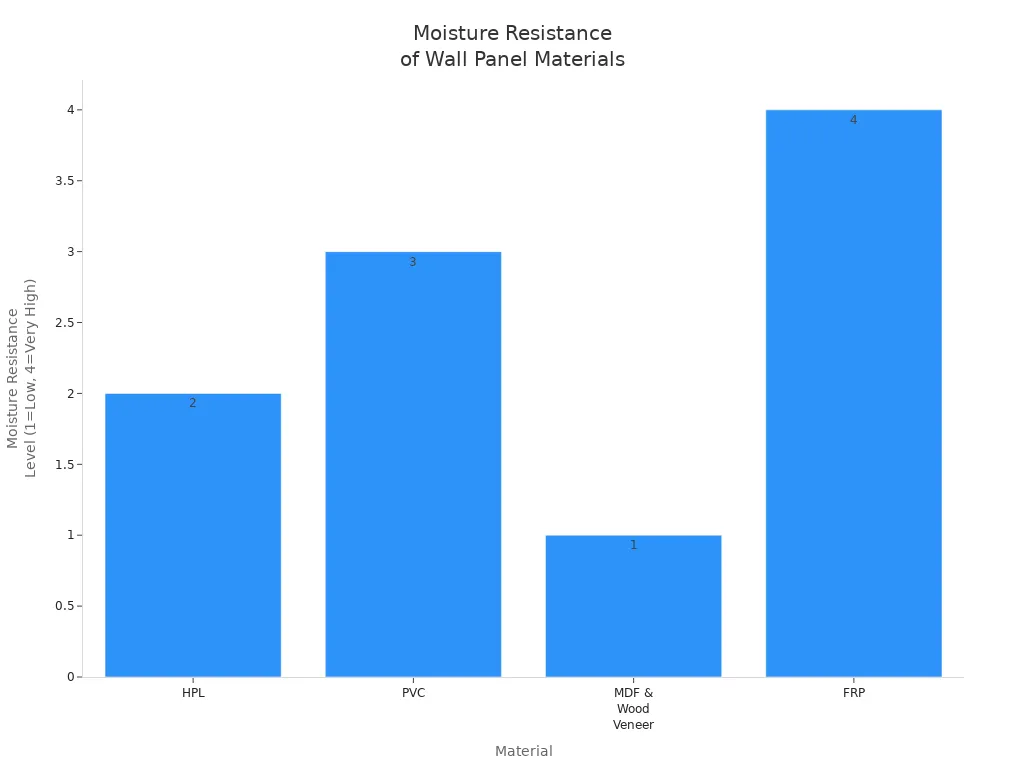
You want wall panels that keep your space safe. HPL wall panels help slow down fire. The phenolic resin inside stops flames from spreading fast. Many high-pressure laminate panels meet fire safety rules. HPL panels also resist moisture well. This makes them good for kitchens and bathrooms. The phenolic layers block water from getting inside. You can see how HPL compares to other materials in the table below:
Material | Moisture Resistance Level | Notes |
|---|---|---|
HPL | Moderate | Works well in kitchens and bathrooms, but not waterproof. |
PVC | High | Great for wet areas, easy to clean, but not as strong. |
MDF & Wood Veneer | Low | Can swell or warp if wet unless treated. |
FRP | Very High | Best for places needing hygiene, seamless and tough. |
Easy Maintenance
You save time with HPL wall panels. The phenolic surface keeps dirt from sticking. You clean them with mild soap and water. You do not need special cleaners. The smooth face keeps grime out. You check the mounting system once a year. You keep your panels looking new with simple steps:
Clean with mild soap and water.
The phenolic surface stops dirt from getting stuck.
Check mounting and seals every year.
Aesthetic Flexibility
You can match HPL wall panels to any style. Phenolic technology lets you pick many colors. You choose geometric or abstract patterns. You select wood or stone looks. You can print images or logos. Digital printing gives you lots of design choices. You create a space that fits your vision. High-pressure laminates offer many options for every project.
Solid colors
Geometric and abstract patterns
Realistic wood and stone looks
Printed images and custom designs
Longevity and Sustainability
You want panels that last a long time. HPL wall panels use phenolic resin for strength. You get panels that resist wear and stay bright. They last 10–15 years indoors. You support sustainability with certified products. Many HPL panels have ISO, EPD, FSC, SCS Recycled, and HPD certifications. You help the environment and keep your space safe.
Certification | Description |
|---|---|
ISO | Rules for environmental, health, and safety management. |
EPD | Shows a product's environmental impact over its life. |
FSC | Certification for good forest management. |
SCS Recycled | Certification for products made from recycled materials. |
HPD | Standard for showing product contents and health info. |
Tip: You pick HPL wall panels for strength, easy care, and design choices. You also help the planet by choosing eco-friendly products.
Applications of HPL Wall Panels
Residential Interiors
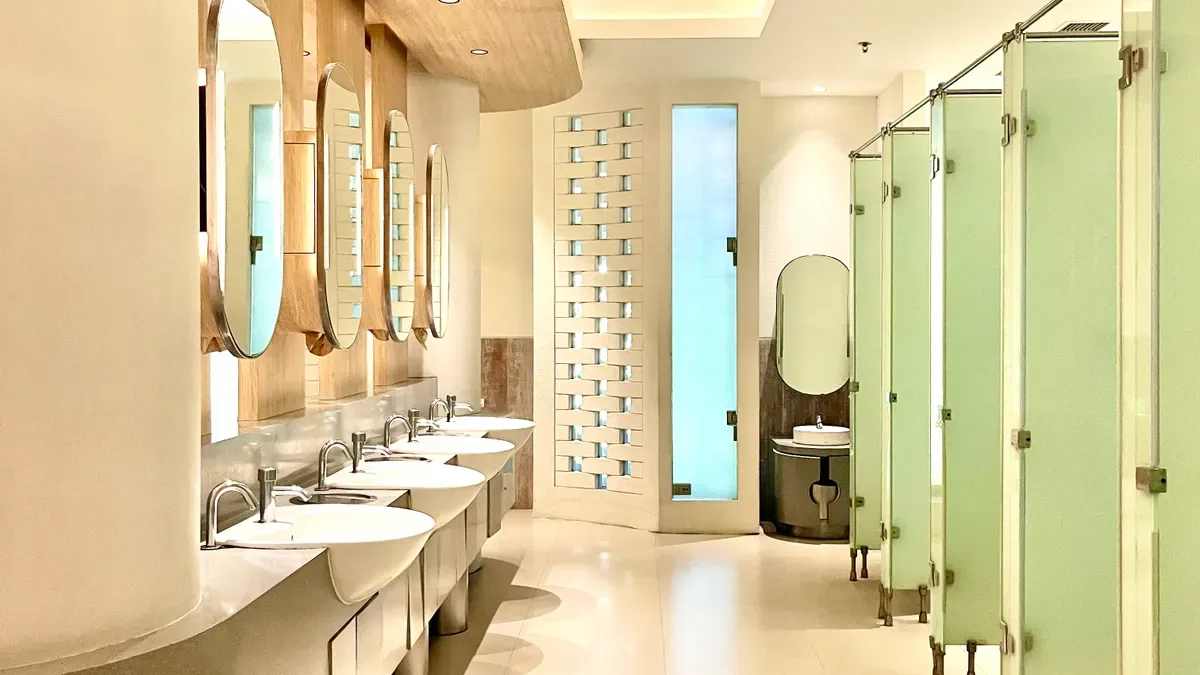
You can use hpl wall panels in many places at home. These panels work in houses, apartments, and condos. You might see them on walls in living rooms or bedrooms. They are also good for kitchen backsplashes. People use hpl for wall lining, lockers, and bathroom partitions. You can use them for furniture and signs inside your house. The panels come in lots of colors and textures. You can match any style you like. TRSK has many high-pressure laminate panels for homes. You get beauty and strength in every room.
Wall lining for living rooms and bedrooms
Lockers and storage spaces
Bathroom partitions for privacy
Furniture surfaces like cabinets and shelves
Custom signage for home organization
Commercial and Institutional Spaces
Hpl wall panels help make offices, schools, hospitals, and shops strong and stylish. These panels handle heavy use and daily cleaning. You can pick from many colors and patterns. TRSK’s phenolic wall panel systems work well in busy places. You get easy care and a clean look. The table below shows why hpl is smart for commercial and institutional projects:
Feature | Description |
|---|---|
Durability | Hpl stands up to high traffic and daily wear. |
Aesthetic Versatility | Many colors, textures, and patterns for creative designs. |
Easy Maintenance | Non-porous and stain-resistant, so cleaning is quick and simple. |
Application in Sectors | Used in healthcare, education, and commercial interiors for both function and style. |
Exterior Cladding
You can use hpl wall panels outside your building too. These panels are made to handle tough weather. They resist rain, snow, sunlight, and temperature changes. TRSK’s exterior hpl panels keep their color and strength for years. You do not need to worry about fading or damage. The panels offer UV stability and impact resistance. There are fire-resistant choices as well. You can pick from many finishes to match your building. Hpl panels for exterior cladding last long and need little care.
Excellent weather resistance
UV stability for bright colors
Impact and scratch resistance
Fire-resistant choices
Many decorative finishes
Long-lasting performance
Note: TRSK gives you both interior and exterior hpl wall panels. You can find the right panel for any place, from cozy homes to busy hospitals and modern building facades.
Choosing the Right HPL Wall Panel
Assessing Project Needs
First, think about where you will put your wall panels. Each project needs something different. School hallways need panels that do not scratch or dent. Kitchens need panels that can handle water and cleaning. Look at the main things before you pick.
Panels that resist water do not swell in wet places.
Strong panels stop dents and scratches in busy spots.
Fire safety is important in public areas. Pick panels with Class B or A2 fire ratings.
Panels that resist stains and chemicals are good for labs and clinics.
Easy-to-clean panels help keep germs and mold away.
Check the table to see the best thickness for each use:
Application | Recommended Thickness | Primary Consideration |
|---|---|---|
Decorative Wall Cladding | 3mm - 6mm | Light and good for big walls |
Kitchen Cabinet Doors | 6mm - 10mm | Thick so doors do not bend |
Bathroom & Wet Area Wall Panels | 6mm - 8mm | Stops water and easy to put up |
Commercial Partitions & Toilet Cubicles | 8mm - 12mm | Strong and blocks noise |
Heavy-Duty Furniture & Work Surfaces | 12mm+ | Very strong and holds heavy things |
Working with a smart supplier helps you get the right info and samples for your job.
Interior vs. Exterior Grades
You need to know if your panel goes inside or outside. Interior grade hpl is for indoor rooms. It comes in many colors and looks. Use it for furniture, cabinets, and walls. Exterior grade hpl is for outside. It stands up to sun, rain, and water. Use it for building outsides and outdoor walls.
Grade Type | Performance Characteristics | Applications |
|---|---|---|
Interior Grade HPL | Looks nice and lasts indoors | Furniture, cabinets, inside walls |
Exterior Grade HPL | Handles weather, sun, and water | Outside walls, building outsides |
Tip: Always use exterior grade hpl for outdoor jobs. Interior panels will not last outside.
Thickness and Installation Method
Pick the right thickness for your hpl wall panel. Thin panels are good for decoration. Thick panels are best for strong places. How you put up the panel depends on how thick it is.
HPL Thickness | HPL Type | Typical Applications |
|---|---|---|
0.6 mm | Decorative HPL | Cabinet doors, closets, office furniture |
0.8 mm | Decorative HPL | Wall covers, furniture, store interiors |
1.0 mm | Decorative HPL | Counters, desks, lab tables |
2–4 mm | Compact HPL | Wall panels, lockers, furniture |
6–8 mm | Compact HPL | Inside walls, room dividers, cubicles |
10–12 mm | Compact HPL | Bathroom stalls, lab furniture |
13–25 mm | Compact HPL | Heavy work tables, benches, factory use |
For wall covers, use 0.8–1.0 mm hpl glued to a base. For strong walls or busy places, use 4–8 mm compact hpl. Thin panels can be glued to a flat board. Thick panels can be clipped into rails or frames.
Note: Pick the way to install that matches your panel’s thickness and your space.
Budget and Specification
You want to spend your money wisely. The price of hpl wall panels changes with quality, thickness, design, and extra features. Better panels cost more but last longer. Thicker panels are stronger and last longer. Special finishes or fire-safe features can make the price go up.
Specification Factor | Price Range per Square Foot | Description |
|---|---|---|
Quality | $2 - $15 | Depends on how good the material is and the brand. |
Thickness | $2 - $15 | Goes from 0.5mm to 25mm, changes how strong it is. |
Design Specifications | $2 - $15 | Can be matte, shiny, or have texture. |
Additional Features | $2 - $15 | Fire-safe or chemical-safe features can cost more. |
Match your budget to what you need. For busy halls, buy thicker, better hpl. For quiet rooms, thin panels may be fine.
Tip: Always check the details and ask for samples before you buy. This helps you pick the best hpl wall panel for your job.
Installation and Maintenance Tips
Preparation and Tools
You need to prepare before you install hpl wall panels. Start by measuring your wall space. Make sure the surface is clean and flat. Gather your tools. You will need a tape measure, pencil, level, saw, drill, adhesive, and screws. Wear safety gloves and goggles. Check the hpl panels for any damage before you begin.
Tip: Always read the manufacturer's instructions for your hpl panels. This helps you avoid mistakes.
Installation Methods
You can install hpl panels in different ways. For thin panels, use strong adhesive to bond them to a flat surface like MDF or plywood. For thicker panels, use a clip or rail system. This method works well for high-traffic areas. Follow these steps:
Mark the panel positions on the wall.
Cut the hpl panels to fit your space.
Apply adhesive or set up the mounting rails.
Place the panels and press firmly.
Secure with screws if needed.
Check that each panel is level and fits tightly with the next one.
Cleaning and Care
You can keep your hpl wall panels looking new with simple care. Wipe the surface with a soft cloth and mild soap. Avoid harsh chemicals or rough pads. Dry the panels after cleaning. For stains, use a gentle cleaner. Regular cleaning stops dirt from building up.
Cleaning Task | What to Use | How Often |
|---|---|---|
Dusting | Soft cloth | Weekly |
Spot Cleaning | Mild soap & water | As needed |
Deep Cleaning | Gentle cleaner | Monthly |
Common Issues and Solutions
You may face some issues with hpl wall panels. Here are common problems and how to fix them:
Loose panels: Check the adhesive or screws. Reapply or tighten as needed.
Scratches: Use a repair kit for small marks. Replace the panel if damage is deep.
Stains: Clean with a gentle cleaner. Avoid bleach.
Warping: Make sure panels stay dry and away from direct heat.
Note: If you see any damage, fix it quickly to keep your hpl panels strong and looking good.
You gain long-term value when you understand hpl wall panels and laminate materials. These panels withstand harsh weather and sunlight, keeping their color and strength with little maintenance. You can choose from many designs to match your space. Hpl protects your building from rain and pollution, and it stays hygienic because it resists moisture. If you want the best results, talk to experts or manufacturers like TRSK. They help you select the right panel for your project.
Durable in sun and rain
Many design choices
Easy to keep clean
FAQ
What is the difference between HPL and compact laminate?
You see HPL as a thin sheet glued to a base. Compact laminate is thicker and stands alone. You use HPL for decoration. You use compact laminate for strength in busy places.
Can you use interior HPL wall panels outside?
No, you should not use interior HPL outdoors. Interior panels fade and weaken in sunlight and rain. You need exterior-grade HPL for outside walls.
How do you clean HPL wall panels?
You clean HPL panels with a soft cloth and mild soap. Avoid rough pads or strong chemicals. Wipe spills quickly to keep panels looking new.
What thickness should you choose for high-traffic areas?
Pick panels that are 6–8 mm thick for busy places like hallways or schools. Thicker panels resist bumps and last longer.
Does TRSK offer both interior and exterior HPL panels?
Yes, TRSK provides both types. You can find decorative HPL for inside and weather-resistant panels for outside. Ask TRSK for samples and advice.