








HPL Board vs Acrylic vs Melamine Differences and Uses Explained
 Sep 02, 2026|
 View:355
When you pick a surface material, you face a clear choice. HPL board gives you top-level toughness and stands up to impacts. Acrylic board offers a smooth, shiny look that makes modern rooms feel more upscale. Melamine is a low-cost option for vertical spots that don’t get much wear.
High pressure laminate forms a dense, layered surface built for heavy use. Acrylic is a solid plastic sheet known for its good looks. Melamine attaches a low-pressure layer to a particleboard core, which helps keep the price down.
What your project needs will decide the best option. This guide explains the main differences between these three choices, so you can pick wisely for your own situation.
Key Takeaways
HPL board is the most durable option for places that see heavy use or moisture.
Acrylic board looks shiny and expensive, but it gets scratched easily in busy areas.
Melamine is a low-cost choice for dry, upright surfaces that are not used often, like wardrobes.
Pick HPL if you want fire safety and lasting value; pick melamine if you want to save money now.
What Is an HPL Board? Understanding High Pressure Laminate
The Manufacturing Process of High Pressure Laminate
You might ask how a thin sheet gets so strong. The answer is in how it is made. High pressure laminate starts with many layers of kraft paper. Each layer is soaked in phenolic resin. A decorative paper goes on top, then a clear melamine wear layer. This stack has 6 to 8 kraft layers in total.
Manufacturers put this stack into a press. They add heat and pressure over 1,000 PSI. This force joins every layer into one solid, stiff sheet. The finished hpl board is 0.6 to 1.5 mm thick. That thickness lets the material hold its shape and stay very stable.
TRSK, an experienced manufacturer, uses this same process. Their production line handles custom sizes with ease. You can order sheets up to 1830mm wide. Lengths go from 1830mm to 4270mm. This flexibility lets you fit the laminate to your project's exact size.
Core Properties: Durability, Fire Resistance, and Hygiene
The main traits of hpl become clear when you test how it performs. Impact resistance stands out right away. A drop ball test shows hpl takes hits without cracking. It scores 9 joules or higher. Compare that to PVC at 5 joules or ceramic at only 3 joules. You can see why high-pressure laminate fits busy areas.
Fire resistance adds another layer of safety. TRSK makes high pressure laminate that meets relevant fire safety standards. This feature means the material resists catching fire and slows flame spread. You gain extra time in an emergency.
Moisture and chemicals are not a problem either. The tight structure stops water from getting in. Spills from cleaners or lab chemicals won't harm the surface. This toughness makes hpl board great for kitchens, hospitals, and labs.
Cleanliness matters in these places. The non-porous surface stops bacteria from settling. You can wipe the surface clean without fear of damage.
Design choices are nearly endless. You can pick woodgrain, marble, stone, or solid colors. Every sheet keeps steady quality through ISO-certified production. This mix of strength, safety, and style explains why architects and builders trust high-pressure laminate for tough projects.
What Is an Acrylic Board?
Manufacturing and Visual Characteristics of Acrylic
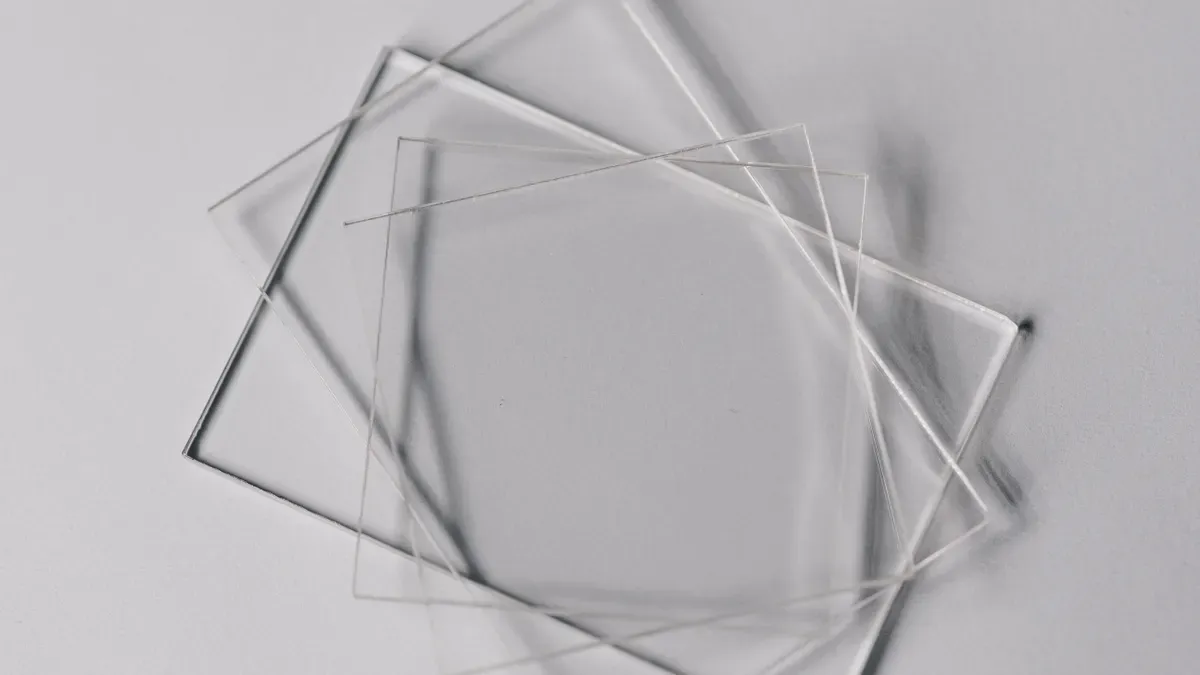
This material comes from PMMA, which is a type of plastic. It is a hard plastic that can be shaped when heated. Makers pour or press it into solid sheets. In casting, they pour liquid resin into a mold. In extrusion, they push heated material through a die. Both methods make a clear material with no layers. You get a smooth surface with no seams from edge to edge.
You can see why it looks good right away. Acrylic has a shiny finish that reflects light well. The material is clear at its core. You can add color to make solid colors. You can pick from many colors and patterns. This choice makes acrylic popular in modern design. You can match any style or color scheme.
The thickness of acrylic board depends on its use. The table below shows the common ranges.
Thickness Category | Range | Typical Use |
|---|---|---|
Thin sheet | 1 mm, 1.5 mm, 2 mm | Small covers or frames |
Medium sheet | 3 mm, 4 mm, 5 mm, 6 mm | Partitions and screens |
Higher sheet | 8 mm, 10 mm, 12 mm and above | Large panels or skylights |
You pick the right thickness based on what your project needs. The right choice keeps the panel stable and safe.
The main features of acrylic board are clearness and a smooth surface. Light passes through with very little distortion. This makes it a great choice for display cases and feature walls. The surface stays even. You get a polished look that feels high quality. The material resists turning yellow from UV light.
Performance Trade-offs: Scratch Susceptibility and Gloss
The shiny finish gives it a high-end feel. You see this in modern kitchens and fancy shops. The surface reflects light like glass. It creates a sense of depth and richness. The look draws attention and adds elegance.
But this shiny surface has a downside. This material is softer than many others. It scratches more easily than harder surfaces. A key scratch or a rough cloth can leave visible marks. Over time, the surface may lose its original shine. Avoid harsh chemicals that can make the surface cloudy. Use soft cloths for cleaning.
This means acrylic works best in areas with little use. You can use it for cabinet doors or feature walls. These spots see less daily wear. The surface stays like new longer. You get the beautiful look without constant worry.
For the right use, this material gives stunning visual performance. The shine and color depth are hard to match. You just need to balance beauty with care. Choose this option where the look matters most and the surface gets gentle use.
What Is a Melamine Board?
Low-Pressure Laminate: The Budget-Friendly Core
Melamine board starts with a core of engineered wood. Makers take particleboard or medium-density fiberboard (MDF) and wrap it with a decorative paper layer. This paper holds the design, whether woodgrain or solid color. Heat and pressure bond the paper to the core. Unlike HPL, this method uses lower pressure. That difference lowers production costs and makes melamine a budget pick.
The core material changes weight and stability. Particleboard gives a lighter option with a density range of 600 to 750 kg/m³. MDF is denser at 650 to 850 kg/m³. At a common 18mm thickness, a standard 1220x2440mm sheet weighs about 34 kg for particleboard and 38 kg for MDF. You can notice the difference when you lift each panel. The table below shows how these cores compare.
Property | Melamine Particle Board Core | Melamine MDF Core |
|---|---|---|
Standard thickness range | 8mm – 38mm | 2mm – 38mm |
Common furniture thicknesses | 16mm, 18mm, 25mm, 38mm | 9mm, 12mm, 15mm, 16mm, 18mm, 25mm |
Density range | 600 – 750 kg/m³ | 650 – 850 kg/m³ |
Density at 18mm thickness | 650 kg/m³ | 720 kg/m³ |
Weight per 18mm sheet (1220x2440mm) | ~34 kg | ~38 kg |
You will find melamine faced products in wardrobes, shelving, and office furniture. These uses do not face heavy wear. The surface handles normal use well. You can wipe it clean with a damp cloth. The cost savings make it appealing for large projects with tight budgets.
Performance Limitations: Moisture and Impact Resistance
The low price comes with downsides. Melamine board struggles with moisture. Water can get into exposed edges or scratches. Once moisture enters the particleboard core, the material swells and loses its shape. You cannot fix this damage easily. Avoid using melamine in bathrooms, kitchens, or other wet areas.
Impact resistance also falls short compared to HPL. The decorative layer is thin. A hard hit can dent the surface or chip the edge. The core beneath may crumble under repeated stress. This limit means melamine suits vertical surfaces better than countertops or workbenches.
The overall performance of melamine fits low-traffic zones. You get decent looks at a fraction of the cost. The value becomes clear when you set up a home office or rental property. You save money upfront, and the surface lasts for years with gentle use. Just keep it dry and avoid heavy impacts. For those conditions, melamine delivers practical, budget-friendly results.
Key Differences Between HPL Board and Acrylic Board (and Melamine)
The key differences between hpl board and acrylic board begin with what each material is. hpl is a high-pressure laminate made for strength. acrylic is a solid plastic sheet picked for its shiny finish. melamine is a low-cost option. The hpl vs melamine debate often focuses on durability and value. The hpl vs melamine comparison shows a clear give-and-take. hpl vs melamine affects how long your project lasts. The hpl vs melamine price difference is a big factor. The hpl vs melamine data confirms that high pressure laminate lasts longer.
HPL vs Melamine: A Durability and Cost Comparison
When you compare hpl vs melamine, the way each is made explains the difference. High-pressure laminate uses many layers of kraft paper soaked in resin. These layers are fused with extreme heat and pressure. Melamine uses one decorative paper layer glued to a particleboard core with low pressure. This difference creates a large gap in performance.
Feature | HPL (High Pressure Laminate) | Melamine Faced Board |
|---|---|---|
Composition | Multi-layer resin-saturated kraft paper, high pressure | Single decorative paper on particleboard, low pressure |
Impact Resistance | High (9+ joules) | Low to Moderate (prone to chipping) |
Moisture Resistance | High (sealed structure) | Low (edges swell easily) |
Fire Rating | — | Standard (not typically fire-rated) |
Abrasion Test Standard | EN 438-2 / ISO 4586-2 | EN 14323 |
Fabrication | CNC cutting, profiling, routing | Simple panel cutting only |
Cost | Higher | Lower |
This hpl vs melamine table shows the performance gap. HPL can be cut with CNC routing and profiling, so it works well for complex designs. Melamine chips easily when cut and cannot handle detailed edge work. The hpl vs melamine choice affects your fabrication options. The hpl vs melamine price difference is large. Choosing hpl vs melamine depends on your budget. The hpl vs melamine decision affects how long the project lasts. HPL gives better long-term value because it resists wear, moisture, and impacts. Melamine is a good choice only for vertical surfaces in dry, low-traffic areas. The hpl vs melamine comparison is simple: pay more now for HPL, or replace melamine sooner.
Acrylic vs HPL: Aesthetic Finish and Surface Quality
Now think about the acrylic option. Acrylic board gives a mirror-like finish that reflects light and adds depth. HPL also offers many finish options, such as matte, textured, and high-gloss patterns. But their look over time is not the same.
Acrylic surfaces keep 85% of their original gloss after five years of UV exposure, which is higher than the standard UV resistance lifespan of 5-7 years for HPL. This makes acrylic the better pick for sun-facing vertical surfaces where color and shine lasting matter most.
However, durability and scratch resistance are not the same. Acrylic is softer than high pressure laminate. A key scratch or a rough cloth can leave visible marks on acrylic. HPL resists scratches, impacts, and chemical stains much better. The performance of acrylic is best for low-wear areas like feature walls or cabinet doors. Laminate like HPL handles daily impacts in kitchens, counters, and high-traffic zones. Looking at hpl vs melamine helps you choose well. The hpl vs melamine comparison is easy to follow. For toughness, pick HPL. For a high-gloss look in a gentle setting, pick acrylic.
Best Applications for HPL in Modern Construction
High-Traffic Commercial and Public Spaces
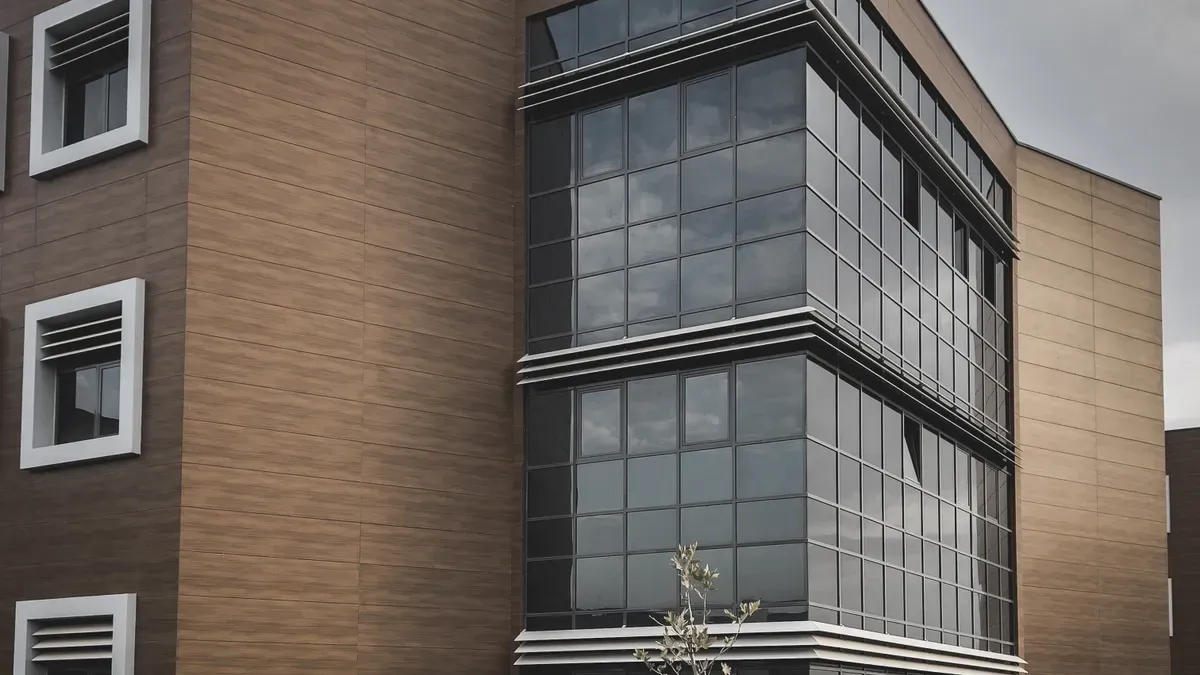
High pressure laminate works hard in places where many people pass through every day. Malls, airports, and hotels need surfaces that can handle constant use. TRSK HPL provides that strength. You can use it for wall panels, front desks, cabinets, and doors. The material absorbs hits that would crack or chip weaker surfaces.
Think about a busy hotel lobby. Guests pull suitcases across counters. They rest against walls while they wait. Cleaning staff wipe every surface many times each day. The damage builds up fast. The table below shows what can happen without the right material.
Aspect | Finding for HPL in high-traffic areas |
|---|---|
Wear patterns | Layers separate, edges peel, and surface marks show within the first year of heavy use. |
Replacement cycle | Usually needed every few years because of color fading, scratches, or layer separation. |
Comparison context | Unlike glass panels, HPL does not keep its color as long or hold up as well under constant traffic. |
This information shows why you need a good laminate from the start. TRSK high pressure laminate resists these problems. The dense build stops edges from peeling. The surface handles marks from daily contact. You avoid the costly cycle of replacing damaged panels every few years.
The benefits of hpl become clear when you look at long-term costs. A cheaper surface may cost less at first. But replacement work and lost time cost much more. For counters and work surfaces in public areas, you want material that lasts. TRSK offers sheets up to 1830mm wide, so you can cover large areas with fewer joints. Fewer joints mean fewer weak spots.
Healthcare, Laboratory, and Specialty Environments
Hospitals and laboratories bring a different set of needs. You need surfaces that stay clean and resist strong chemicals. Regular materials fail in these places. TRSK makes special panels for exactly these uses.
For laboratories, you can pick chemical-resistant laminate. This product stands up to acids, solvents, and cleaning products. You can build work surfaces and cabinets that handle daily exposure. The surface does not stain or break down when spills happen. You wipe it clean and keep working.
Hospitals benefit from antibacterial panels. These surfaces stop bacteria from growing. You can use them for nurse stations, wardrobes, and wall panels. The non-porous surface keeps moisture from getting in. You keep a clean space with simple cleaning steps.
The performance of TRSK HPL in these places comes from how it is made. Many resin-soaked layers create a dense, non-porous barrier. This structure blocks moisture and chemicals from getting through. You get a surface that also meets relevant fire safety standards. Safety and cleanliness work together.
These uses show why architects choose high pressure laminate for tough projects. The design options matter too. You can match any color plan or texture need. TRSK offers over 1000 patterns, from woodgrain to solid colors. You get the look you want without giving up strength.
For rooms that face constant use, TRSK HPL provides the answer. You protect your investment with surfaces built to last. Whether you need counters for a busy café or work surfaces for a research lab, this laminate delivers dependable performance.
Where Acrylic and Melamine Shine
Acrylic for Modern Kitchen Cabinetry and Interior Design
Acrylic board works best in places where looks matter more than heavy use. Modern kitchen cabinet doors look great with its mirror-like surface. The material bounces light around the room, making it feel bigger and brighter. You see this in showrooms and designer kitchens. The smooth surface has no visible seams or edges. This makes acrylic a top choice for feature walls and decorative panels.
The high-gloss finish turns plain rooms into something special. You can match acrylic with LED lights for cool effects. The light hits the surface and spreads through the space. This look is why acrylic shows up in fancy interiors. Designers pick it when they want a bold piece. The deep color and clear finish beat other materials.
But you must put acrylic in the right place. It works for cabinet fronts and wall panels, not countertops or worktops. Daily contact with keys, pots, or cleaning tools leaves scratches. The soft surface cannot take that kind of wear. You should use acrylic only in spots that get light, rare touch. A bedroom closet or a living room accent wall works well. These uses let the finish stay perfect for years. You get the high-end look without worrying about damage.
Melamine for Budget-Conscious Vertical Surfaces
Melamine serves a different need. You pick it when cost is the main factor. Wardrobes, shelves, and office furniture use melamine to keep prices low. The material looks decent for much less money. You can fill a whole home office without spending too much.
The surface handles normal daily use fine. You can wipe it clean with a damp cloth. The top layer looks like wood grain or solid colors. Most people can't tell the difference from far away. This makes melamine good for rental homes or starter houses.
You must keep melamine away from water and hard hits. Water seeps into exposed edges and swells the particleboard core. A hard knock chips the thin top layer. These limits mean melamine works best on vertical surfaces. Shelves, closet doors, and cabinet insides fit this use. These spots get less wear than flat surfaces. You get value without losing function.
The choice between acrylic and melamine comes down to what matters most. Acrylic gives great looks for high-end rooms. Melamine gives savings for practical, cheap projects. Both materials have a place in modern building. Your design goals and budget will point you to the right choice.
How to Choose: HPL vs Melamine vs Acrylic
You now know what each material can and cannot do. The next step is matching those traits to your project. Ask yourself three questions before you buy. Where will the surface be placed? Will it face moisture? What does your budget allow? Your answers point to one clear choice.
A Decision Guide Based on Usage, Moisture, and Budget
Start with usage. High-traffic areas need a tough surface. Think about a kitchen countertop or a hotel front desk. These spots face constant contact. Keys scratch, pots drop, and cleaners wipe hard. For these places, choose HPL. The dense layers absorb impacts that would chip acrylic or dent melamine. The hpl vs melamine comparison shows a clear winner for wear resistance. HPL scores 9+ joules on impact tests. Melamine chips under far less force.
Next, check moisture levels. Bathrooms, kitchens, and laundry rooms all have humidity. Water vapor settles on surfaces and seeps into edges. Melamine swells when moisture gets inside its particleboard core. That damage cannot be repaired. Acrylic resists water well but scratches easily. HPL stands up to both moisture and chemicals. The sealed structure blocks water from entering. This makes high pressure laminate the safe pick for wet zones.
Now consider fire safety. Building codes often require fire-rated materials for public spaces. HPL meets fire safety standards. Melamine does not carry fire safety certification. Acrylic burns and melts when exposed to flames. If your project needs fire protection, the hpl vs melamine price difference becomes worth paying. You gain safety that cheaper options cannot offer.
Budget plays the final role. Melamine costs the least upfront. You can outfit a whole home office for a fraction of the HPL price. But think about the long term. A melamine shelf may last five years in a dry closet. An HPL panel can serve for decades in a busy lobby. The hpl vs melamine price difference narrows when you factor in replacement costs. You pay more now or pay again later.
Here is a simple checklist to guide your decision:
Choose HPL for high-traffic areas, moisture-prone zones, or projects requiring fire safety.
Choose acrylic for a high-gloss aesthetic in low-traffic areas like feature walls or cabinet doors.
Choose melamine for budget-friendly vertical applications such as wardrobes and shelving.
The hpl vs melamine decision affects durability, safety, and value. The hpl vs melamine trade-off is simple: strength costs more. The hpl vs melamine comparison always comes back to your specific needs. Weigh the hpl vs melamine factors against your usage. Consider the hpl vs melamine options for each room. The hpl vs melamine choice shapes your project's lifespan. Review the hpl vs melamine details one more time. Then pick the material that fits your reality.
Why Choose TRSK High Pressure Laminate for Your Project?
When you decide on HPL, choose a manufacturer you can trust. TRSK brings over 24 years of experience to every sheet. The company operates a 60,000-square-meter facility with advanced production lines. This scale means consistent quality across every order.
TRSK's high pressure laminate complies with ISO 9001, CE, and LEED standards, confirming its quality and environmental responsibility.
These certifications matter for your project. ISO 9001 ensures reliable manufacturing processes. CE marks confirm the product meets European safety requirements. LEED compliance supports green building goals. You gain confidence that your laminate performs as promised.
TRSK also offers design flexibility. You can choose from over 1000 patterns, including woodgrain, marble, and solid colors. Custom sizes reach up to 1830mm wide and 4270mm long. This range lets you cover large surfaces with fewer seams. The finish stays consistent across the entire installation.
The company supports OEM and ODM orders. You can customize colors, textures, and even your brand logo. This service helps distributors and manufacturers create unique products. TRSK's after-sales support means you get help when you need it. The team answers questions and solves problems quickly.
For countertops, worktops, and interiors that must last, TRSK delivers. The high-pressure laminate resists impacts, moisture, and chemicals. It meets fire safety standards. It looks great in any setting. You get premium quality without compromise.
Contact TRSK today for free samples. Test the material yourself. Feel the density and see the finish. Request custom solutions for your unique project. The team at Edison@cztianrun.com will guide you through the options. Make your choice with confidence, knowing TRSK stands behind every sheet.
Your final choice balances three priorities. High pressure laminate delivers unmatched durability for busy spaces. Acrylic provides that stunning, high-end gloss you want for visual impact. Melamine offers the lowest upfront cost for simple projects.
Think about your daily life. A kitchen countertop faces spills, heat, and dropped items. Worktops in a home office see constant writing and laptop use. These applications demand toughness. The hpl vs melamine comparison shows HPL wins on impact and moisture resistance. The hpl vs melamine price gap narrows when you avoid early replacement. The hpl vs melamine decision becomes clear when you value longevity.
For a kitchen you will use daily for 20 years, invest in a high pressure laminate from a trusted manufacturer like TRSK. For a feature wall you want to look stunning, choose acrylic. For a home office you are outfitting on a budget, melamine is a smart choice.
FAQ
Does HPL meet fire safety standards?
Yes. TRSK high pressure laminate is compliant with ISO 9001, CE, and LEED standards, which include fire safety requirements.
Can acrylic surfaces handle daily kitchen use?
Acrylic works best for cabinet doors, not countertops. The glossy finish scratches easily. Keys, pots, or rough cloths leave visible marks. Choose acrylic for low-traffic areas where the look matters more than toughness.
Why does melamine swell near water?
Melamine has a particleboard core. Water seeps into exposed edges and swells the core. You cannot fix this damage. Keep melamine away from kitchens, bathrooms, and any wet area.
Can you use HPL for outdoor applications?
The evidence does not provide information on outdoor applications for TRSK HPL.