








HPL Laminate Sheets Vs Low Pressure Laminates and Their Best Applications
 Aug 19, 2026|
 View:470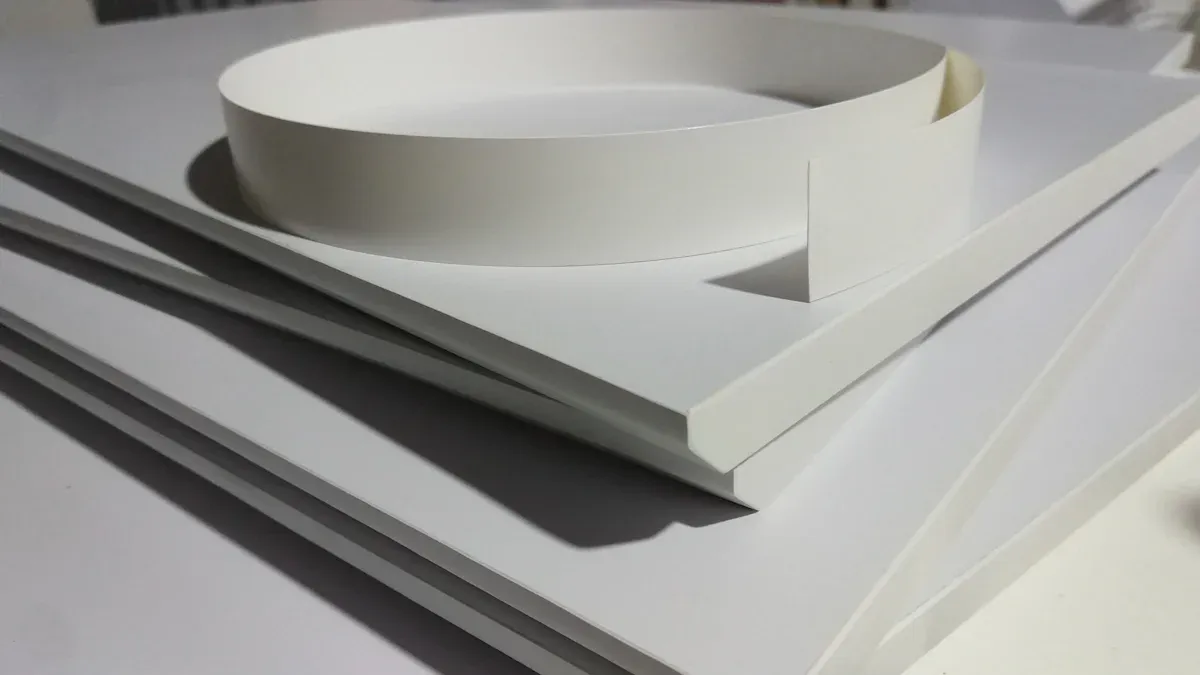
You choose surface materials based on how they are built. A high pressure laminate panel uses many paper layers soaked in resin and pressed under high pressure over 1,000 psi. In contrast, lpl bonds one decorative paper layer right onto a base board under lower pressure of 300–500 psi. Design experts often call this affordable material thermally fused laminate or tfl.
You get the best durability and long-term value by choosing the right surface option for each job. An hpl laminate sheet offers great strength against impacts for busy horizontal counter surfaces in commercial buildings. Meanwhile, melamine decorative panels provide great value on vertical fixtures that do not get much wear.
Key Takeaways
HPL sheets resist hard bumps and scratches on busy flat countertops.
LPL panels lower project costs on vertical cabinet doors and low-wear furniture.
Jiangsu TRSK HPL panels offer strong fire safety, low emissions, and chemical resistance.
Smart builders pair HPL tops with matching LPL frames to save cash.
Technical Distinctions: High-Pressure Laminate vs LPL
Manufacturing Process of High-Pressure Laminate
You build strong commercial interiors when you understand how raw panels are made. Workers build high pressure laminate by stacking many core layers of kraft paper. They soak these base papers with durable phenolic resin. A protective surface sheet soaked with melamine resin covers the decorative top layer. Heavy factory presses apply strong heat at 150°C and 70–100 kg/cm² pressure. This powerful heating process melts the separate sheets into one solid hpl structure.
Jiangsu TRSK uses advanced heating technology to press these core materials very well. This exact method creates a heavy panel density of ≥1450 kg/m³ and great structural strength. High-pressure laminate sheets withstand hard physical hits because the thick phenolic core absorbs direct shock. You get long-lasting surface protection across busy public areas, hospital counters, and active commercial interiors.
Thermal Fusion and LPL Layering Structure
You see a completely different design in low-pressure laminate products. Factory machines press melamine impregnated paper directly onto a wood substrate core. This base board usually consists of normal particleboard or smooth MDF. The factory press uses lighter force between 300–500 psi pressure during the fast heating cycle. This thermal process creates a nice decorative laminate that works well for low-wear interior woodwork.
Parameter | High-Pressure Laminate (HPL) | Low-Pressure Laminate (LPL) |
|---|---|---|
Press Pressure | 1,000–1,500 psi | 29–435 psi |
Curing Temp | 280–320°F | 335–375°F |
Surface Resin | Melamine resin | Melamine resin |
Designers often call this material thermally fused laminate for upright wall uses. The heat press melts the melamine resin right into the wood fibers below without using extra glue layers. Building experts shorten this panel type to tfl in cabinet plans. The single-layer outer finish gives tfl panels a clean, smooth style. This quick production method keeps lpl affordable while tfl gives reliable performance on upright cabinet doors and furniture side walls.
Durability Comparison: HPL Laminate Sheet vs Low-Pressure Laminate
Impact Wear and Scratch Resistance
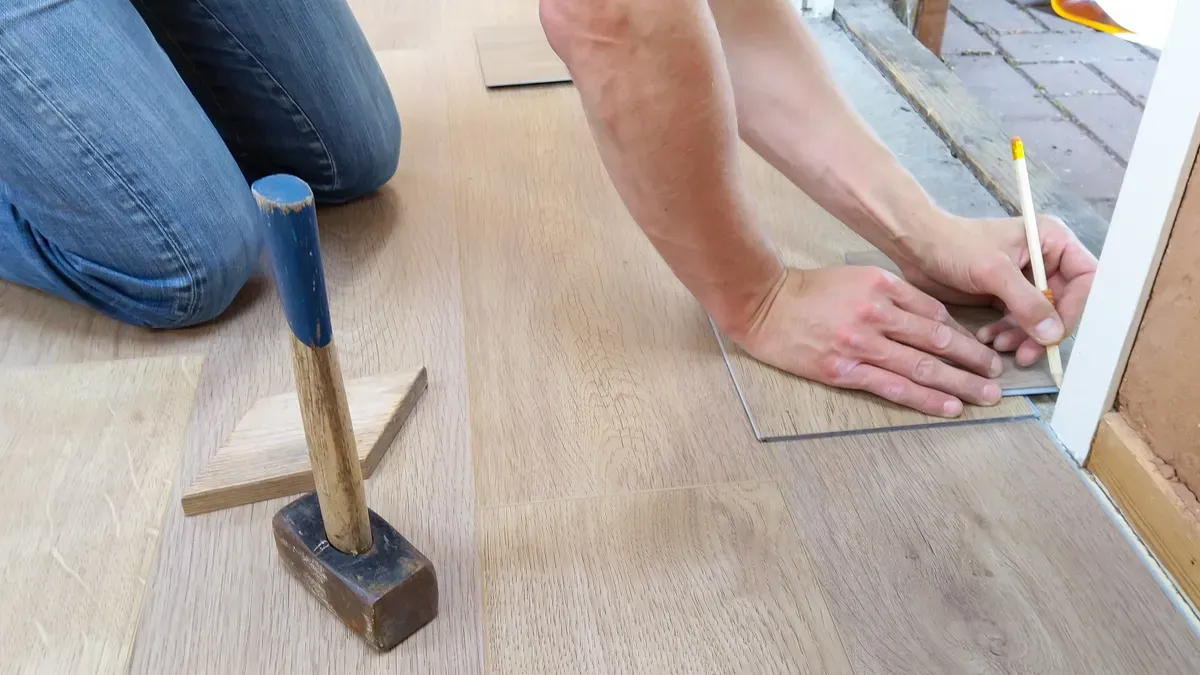
You test interior design materials by checking how well they handle daily wear and hard physical stress. An hpl laminate sheet has a thick multi-layer phenolic backing. This tough design offers great impact resistance against hard drops, heavy strikes, and direct hits. Meanwhile, low-pressure laminate uses just one decorative paper layer glued over standard particleboard. Because of this, an hpl laminate sheet avoids chipped edges and core damage much better during daily commercial use.
You also get better scratch resistance and wear resistance on heavily used horizontal counters. Top-quality high-pressure laminate sheets endure hard scrubbing, constant rubbing, and sharp tools without losing their smooth surface. You satisfy high commercial durability needs when using these tough materials on busy kitchen countertops. This amazing surface strength gives big design benefits for crowded public spaces and heavy-duty office furniture.
Fire Rating Moisture and Chemical Resistance
You keep building users safe by choosing officially certified interior materials. Jiangsu TRSK hpl products meet Class B1 fire rating rules under EN 13501-1 standards. These panels create little smoke and slow down spreading flames during sudden building fires. They also meet strict E0 low VOC emission standards to ensure healthy indoor air quality. Plus, the material easily passes ASTM D1183 tests for chemical resistance against harsh cleaning chemicals, acids, and alkalis.
You protect overall panel strength in damp spaces thanks to low water absorption rates under 8%. Thick core layers stop liquid from soaking inside. The primary benefits of hpl become obvious when checking these moisture resistance numbers:
Property | HPL | Melamine (LPL) |
|---|---|---|
Moisture resistance | Non-porous, no moisture ingress | Edge-dependent; MDF core swells if unsealed |
Thickness swell (30% to 90% RH) | Not applicable (core unaffected) | ~6% for MDF core |
Thickness swell (24h soak test) | Not applicable | 9–11.1% for standard MDF, 4.7–5.6% for moisture-resistant MDF |
Durability in high humidity | Maintains integrity | Risk of delamination and failure |
These real numbers explain why tough laminate setups work great in busy hospitals, humid basements, and active science labs. Normal unsealed wood centers in low-pressure laminate furniture swell and peel apart when exposed to heavy moisture. Picking quality laminate materials shields your building budget from expensive water damage later on.
Best Applications for High Pressure Laminate and LPL
High Pressure Laminate in High-Traffic Horizontal Surfaces
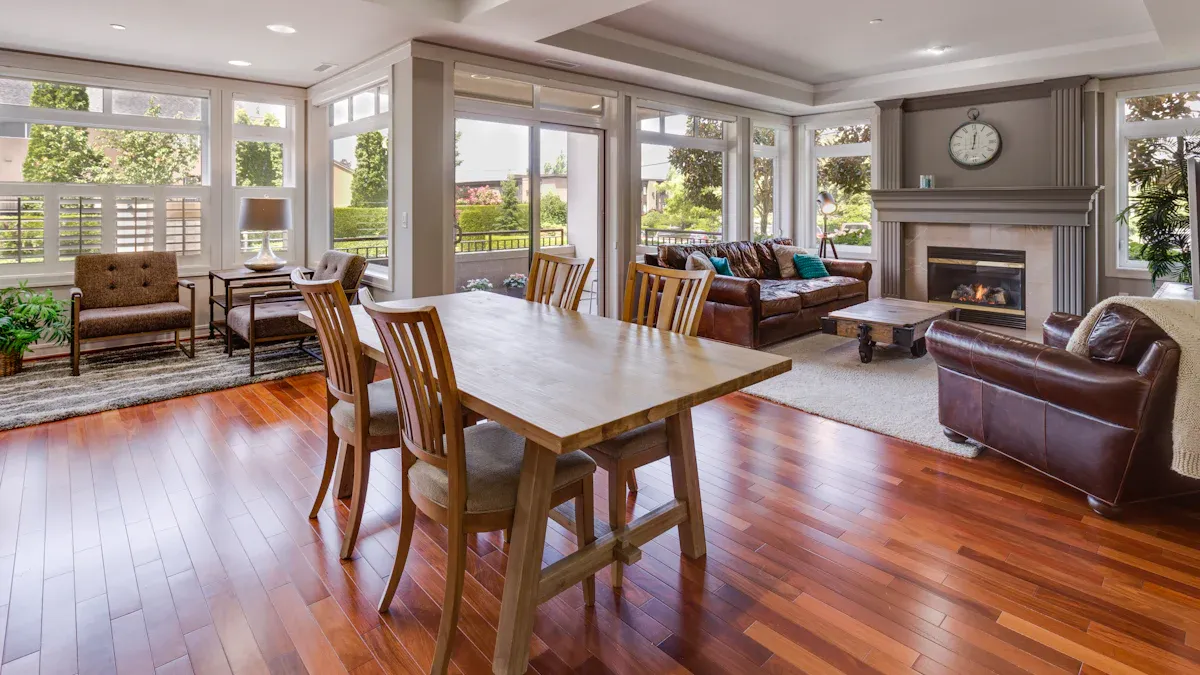
Pick tough surfaces when planning for heavy everyday use. An hpl laminate sheet works great on flat, busy spots. Designers pick high pressure laminate for check-in desks, store counters, science labs, and kitchen counters. These high-pressure laminate sheets have strong backing to shield tables from major damage. Protective top layers also offer fantastic scratch resistance and wear resistance for many years.
Jiangsu TRSK makes quality decorative laminate panels that look like real materials. You can choose real woodgrain finishes, natural stone styles, or plain solid colors in custom panel dimensions to fit all kinds of building projects.
Surface Priority | Surface Solution | High-Traffic Application |
|---|---|---|
Impact resistance | Multi-layer phenolic core | Hotel lobbies and retail counters |
Daily maintenance | Non-porous outer layer | Laboratory workstations and desks |
LPL in Vertical Panels and Low-Wear Furniture
Save money on your project by picking lpl for upright items that get little wear. Workers make thermally fused laminate by pressing melamine impregnated paper directly onto flat boards. Cabinet makers use tfl for closet doors, box frames, and side panels. These melamine decorative surfaces give standing furniture a clean look. Making light-use laminate furniture with tfl lowers material costs a lot. Simple melamine board choices cost 30–60% less than hpl when fully installed. These savings really help big building budgets.
Get great quality while keeping your furniture looking good every day. Single-layer tfl panels use melamine resin to cover upright wood fibers. Regular low-pressure laminate deals with light indoor use quite well. Still, thin melamine edge banding might peel if it gets very wet. Use high-pressure laminate on exposed tops and cheap decorative laminate boards on back vertical walls. This smart plan gives you the benefits of modern panels while lowering overall building costs.
Value Engineering: Jiangsu TRSK HPL and LPL Integration
Combining HPL and LPL in Single Furniture Units
You can stretch your budget by putting tough materials on high-wear spots and cheaper panels on wall surfaces. Heavy-use table tops require high-pressure laminate panels because these flat areas handle non-stop daily abuse. Inner cabinet boxes and hidden back walls work great with melamine paper layers pressed onto wood boards. These simple melamine surface covers keep upright parts looking fresh. This smart setup provides big benefits for office spaces. You keep high-end styles on main fronts while saving money on side frames.
Jiangsu TRSK crafts matching colors across different panel types. You can combine a tough hpl desktop with lighter tfl side panels in matching woodgrain patterns. Designers keep total creative freedom, and project managers get long-term financial savings. The price gap between strong horizontal sheets and basic vertical panels lets you manage total spending with ease. Smart panel selection gives you strong durability right where your project needs it most.
Cost Optimization and Lead Time Considerations
Buying high-grade laminate sheets stays easy when suppliers accept small minimum order amounts. Jiangsu TRSK offers custom factory orders starting at a low MOQ of 100 sheets. You can order flexible decorative laminate options without storing extra stock in your local warehouse. Builders lock in reliable delivery schedules by planning directly with skilled factory staff.
Making schedules change depending on ready-to-ship options or specialized factory requests. Standard melamine surfaces allow fast shipping times for quick build projects.
Product | Lead Time | Details |
|---|---|---|
LPL tops (Quickship) | 2 weeks | Limited to 6 colors, 1" thick, 17 popular sizes, with matching 3mm PVC edgebanding |
HPL tops (custom) | 4–5 weeks | Hundreds of colors, 1.25" thick, available from Wilsonart, Formica, Pionite, and Nevamar |
Factory prices only count build time, so you should add extra days for ocean shipping and port clearance. Mixing stock lpl frames with custom top panels helps you manage installation timelines smoothly. This smart method lets your team use melamine panels on basic tfl furniture units while meeting every construction deadline.
You protect your commercial interiors by following one simple design rule. Install an hpl laminate sheet on high-wear horizontal surfaces like reception desks and active work counters. Use low-pressure panels on vertical cabinet walls to save project money. High pressure laminate offers strong protection against heavy physical impacts.
Smart value engineering with Jiangsu TRSK materials lowers your total costs while delivering long-term performance. You balance initial material costs with low maintenance needs over time. Premium hpl products provide distinct surface advantages for demanding commercial projects.
Speak with our material experts today to order customized panel solutions for your next building project.
FAQ
What is the main structural difference between HPL and LPL?
You pick HPL because it uses several resin-soaked paper layers squeezed tight under strong pressure over 1,000 psi. LPL sticks one pretty melamine layer right onto a base board using lower pressure from 300 to 500 psi. Builders often call this basic sheet tfl.
What fire rating standard does Jiangsu TRSK HPL meet?
You keep buildings safe by using Jiangsu TRSK panels. Our high pressure laminate meets the Class B1 fire rating rules for EN 13501-1 safety standards. This tough material makes little smoke and slows dangerous fire spread during sudden building emergencies.
Can you clean HPL surfaces with aggressive chemical agents?
You can freely scrub HPL panels using strong chemical cleaners. The tough outer layer easily passes ASTM D1183 official tests for chemical resistance. It safely resists strong acids, alkalis, and heavy disinfectants in busy hospital desks and research laboratories.
Where should you install tfl panels instead of HPL?
You choose tfl panels for standing upright walls that rarely see rough physical wear. Cabinet doors, closet frames, and inside wall panels work best using these cheap melamine surfaces. This smart choice saves extra money without losing nice style.