








HPL vs LPL: Making the Right Choice for Your Furniture and Surfaces
 Aug 26, 2026|
 View:525
Choosing between HPL and LPL for your next project can feel confusing. You want surfaces that look good and last, but you also have a budget to protect. Which laminate is the right pick for your needs?
The answer depends on where you plan to use it. High pressure vs low pressure laminate comes down to a simple trade-off. HPL offers better durability and impact resistance, making it great for busy horizontal surfaces like countertops. LPL costs less upfront and works well for vertical, low-impact areas like cabinet interiors.
Horizontal surfaces take punishment. Countertops, desktops, work surfaces — things get dragged across them, set down hard, hit with heat and moisture. HPL handles that load.
This guide walks you through the key differences so you can decide with confidence. Think about your project's needs, your budget, and how long you expect the surface to last. Whether you need a premium laminate hpl sheet or a budget-friendly option, knowing these materials helps you choose wisely.
Key Takeaways
HPL is very strong and can handle bumps well, so it works great for flat surfaces like countertops.
LPL costs less at first and works well for vertical, low-impact spots like the inside of cabinets.
HPL handles moisture and heat better than LPL, so it stops swelling and warping in damp places.
Think about the full cost over time: HPL lasts longer, so it saves money in the long run even though it costs more at first.
Pick the right laminate for your job: use HPL for busy areas or places that get wet, and LPL for cheap vertical uses.
Defining the Contenders: HPL and LPL
Before you compare costs or colors, you need to know what each material really is. The names sound alike, but how they are built is very different. That difference affects everything else—durability, looks, and price.
What is High Pressure Laminate?
High pressure laminate starts with many layers. Makers stack six to eight sheets of resin-soaked kraft paper, add a decorative layer on top, and finish with a clear protective coat. Then they press these layers together with strong heat and pressure—about 1000 kg/m² at temperatures over 140°C. This makes a dense, tough sheet that stands alone until you glue it to a base like MDF or craftwood.
You will often hear this material called a laminate hpl sheet in the trade. That is the same product, just a short name for how it is made. The result is a surface that resists impact, moisture, and heat much better than thinner options. When someone asks about melamine vs high pressure laminate, they are really asking if they need that extra strength.
What is Low Pressure Laminate?
Low pressure laminate takes a simpler route. A single sheet of melamine-soaked paper bonds directly onto a base—usually particleboard or MDF—in one quick press. The pressure stays much lower, around 200–350 kg/m², though temperatures run a bit hotter at 170°C–190°C. The process takes only 30–50 seconds, so panels move through production fast.
You probably know this material as melamine or a decorated board. The decorative paper carries the pattern, and the resin seals it during pressing. Because there is only one layer, the surface is thinner and less forgiving under heavy use. That is why low-pressure laminate works best for vertical surfaces where things do not get dragged across them.
Here is a quick comparison of the two materials:
Attribute | High Pressure Laminate (HPL) | Low Pressure Laminate (LPL / Melamine) |
|---|---|---|
Layers | 6–8 layers of kraft paper, decorative paper, clear overlay | Single melamine paper bonded to substrate |
Manufacturing pressure | 1000 kg/m² | 200–350 kg/m² |
Manufacturing temperature | 140°C+ | 170°C–190°C |
Substrate | Bonded later to MDF or craftwood | Pre-bonded to particleboard or craftwood |
The low-pressure melamine option costs less because it skips the extra layers and second bonding step. But you give up durability. A high-pressure laminate sheet gives you a thicker, tougher surface that handles real wear. A low-pressure laminate gives you an affordable, decent-looking panel for lighter duty.
So when you see "laminate hpl sheet" on a spec sheet, you know you are getting the multi-layer build. When you see "melamine," you are getting the single-layer version. Both have their place—you just need to match the material to the job.
Manufacturing: Pressure and Process
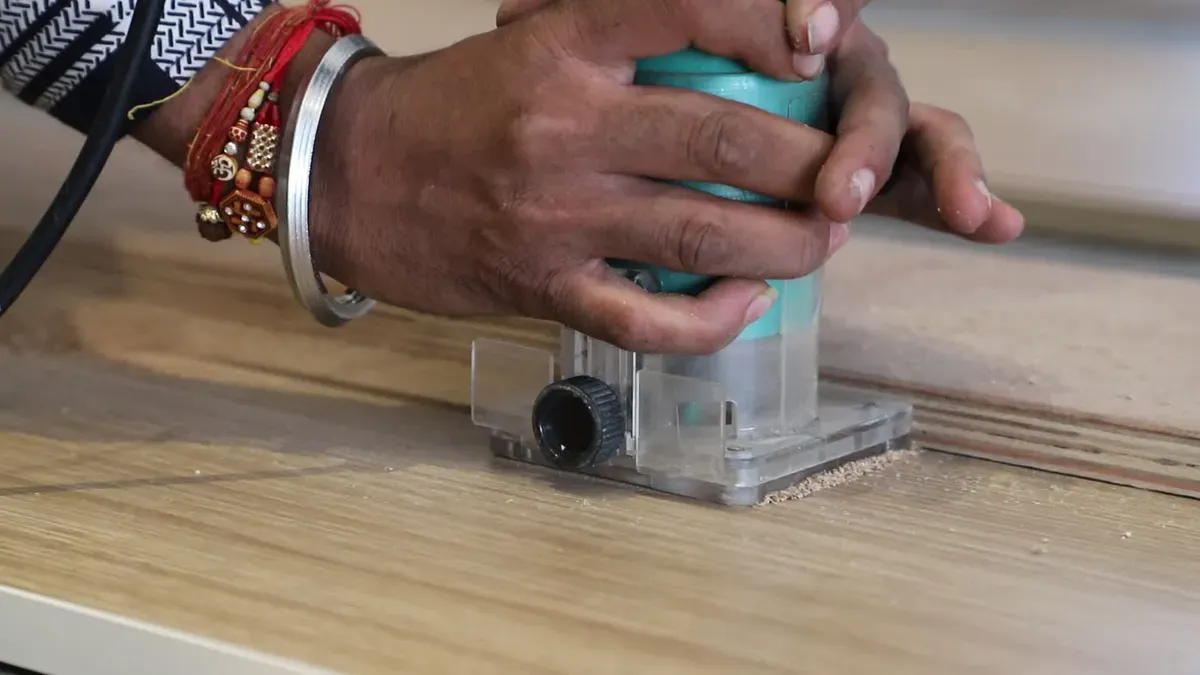
The real difference between these two materials shows up on the factory floor. How each laminate gets made determines how it performs later. You can trace every strength and weakness back to this stage.
How HPL is Made: Layers and Heat
High pressure laminate starts as a stack of separate sheets. You begin with kraft paper made from high-purity softwood pulp. This paper gets soaked in phenolic resin, which gives the core its bending strength and dimensional stability. The decorative layer on top receives a different treatment—melamine resin—which creates the hard, scratch-resistant surface you see and touch.
These layers stack together: six to eight sheets of resin-soaked kraft paper, one decorative sheet, and a clear protective overlay. The whole stack goes into a press that applies extreme heat and pressure. The numbers tell the story. HPL presses at about 1000 kg/m² with temperatures reaching 140°C or higher. Under these conditions, the resins cure and fuse into a single, dense sheet.
This process creates a standalone laminate hpl sheet. You bond it to a substrate like MDF or craftwood later, in a separate step. That extra step adds cost, but it also adds toughness. The dense, multi-layer construction gives HPL its impact resistance and its ability to shrug off moisture and heat.
How LPL is Made: A Single-Step Process
Low pressure laminate takes a faster, simpler route. A single sheet of melamine-treated decorative paper goes directly onto a substrate—usually particleboard or MDF. One press cycle fuses them together. No separate sheet to make, no second bonding step.
The pressure stays much lower, around 200–350 kg/m². Interestingly, the temperature runs hotter, reaching 170°C–190°C. But the process takes only 30–50 seconds. The decorative paper becomes an integral part of the panel, not a separate layer.
This low-pressure melamine approach produces what you know as a decorated board. It works fine for vertical surfaces and light duty. But the single layer means less material to absorb impacts. You get a thinner, more vulnerable surface compared to HPL.
Here's a quick look at the manufacturing differences:
Parameter | HPL | LPL |
|---|---|---|
Layers | 6–8 kraft paper + decorative + overlay | Single melamine paper |
Pressure | ~1000 kg/m² | 200–350 kg/m² |
Temperature | 140°C+ | 170°C–190°C |
Process | Multi-step, separate sheet | Single-step, direct bond |
The trade-off is clear. You pay more for HPL's extra layers and separate production. You save money with LPL's streamlined process. Just remember what you give up in durability.
Durability: Wear, Moisture, and Impact
Durability shows the real difference between these two laminates. You need a surface that handles daily use. HPL delivers that strength. LPL works for lighter duty. The manufacturing process explains why.
Surface Wear and Scratch Resistance
You drag objects across surfaces every day. Plates, laptops, tools. Your laminate must resist that friction. High pressure laminate handles this challenge well. Commercial-grade HPL sheets achieve a Taber abrasion resistance rating of 3,000 to 6,000 cycles. That means they survive thousands of passes from an abrasive wheel before showing wear.
Low pressure laminate does not share that same rating. Available sources do not provide a specific Taber range for LPL. But you can expect less resistance. The single layer wears thinner over time. Scratches appear more easily. This is one of the key advantages of hpl: you get a surface that keeps looking new for years.
The multi-layer construction makes the difference. Each resin-impregnated layer adds strength. The protective overlay on top takes the first hits. When you choose a high pressure laminate from TRSK, you invest in quality that stands up to real use.
Moisture and Heat Resistance
Spills happen. Hot pans land on countertops. Steam rises from sinks. Your laminate must handle these conditions. High pressure laminate excels here too. The dense phenolic resin core resists water penetration. Even after hours of exposure, the panel maintains its dimensional stability. Heat resistance also sets HPL apart. The material withstands dry heat without blistering or delaminating.
LPL struggles more with moisture. The single melamine layer can bubble when water seeps through a damaged edge. Heat also poses a risk. The thinner layer transfers heat more quickly to the substrate below.
TRSK's high-pressure laminate offers excellent resistance to heat, moisture, and chemicals. This makes it suitable for demanding environments like kitchens, laboratories, and hospitals.
Appearance and Design Options
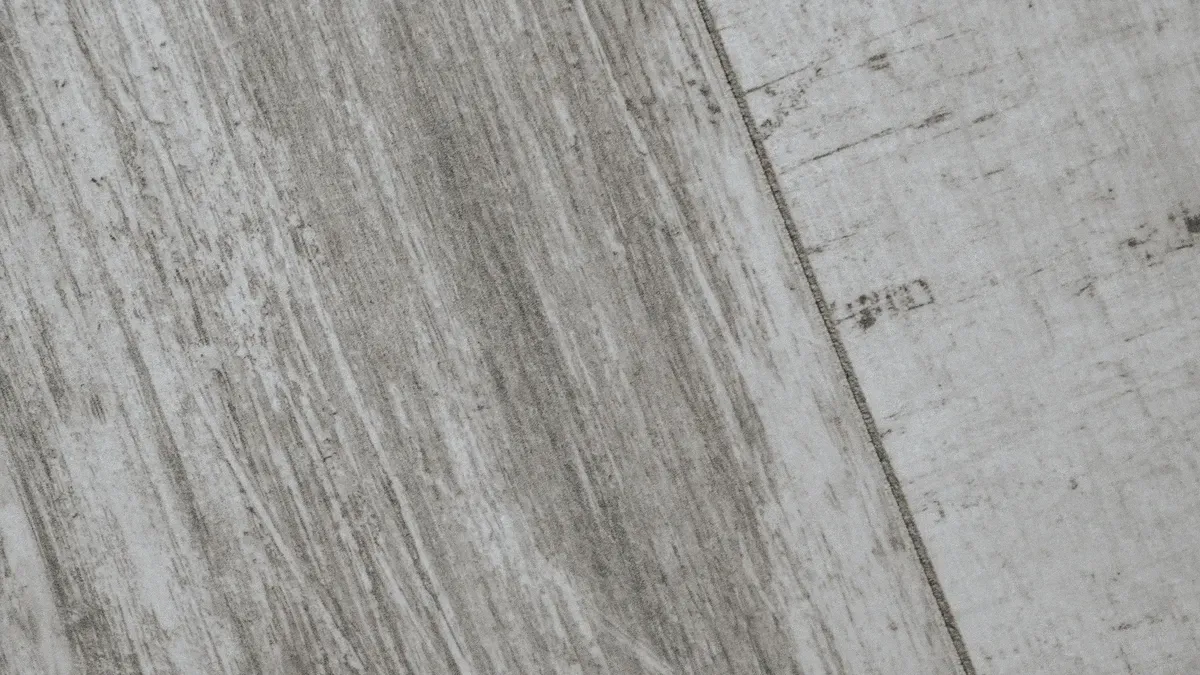
Looks are just as important as strength. You want surfaces that match your idea. Both HPL and LPL come in many patterns and colors. But how each material handles edges and seams changes the final look. That difference can make or break a design.
Edge Treatments and Seam Visibility
High pressure laminate gives you a big edge at the edges. You can bend it with heat. This process, called postforming, wraps the laminate around corners and curves. You get a smooth, continuous surface with no visible joints. Countertops and tabletops benefit most from this. The edge flows into the top without a break. Water and dirt have no gaps to get in.
Low pressure laminate cannot do this. The single melamine layer bonds directly to the board during making. You cannot bend it later without cracking. So you must use separate edge banding strips. These strips cover the raw edges of the panel. You can see the seam where the strip meets the surface. Over time, that seam may collect dust or show wear. In busy kitchens or bathrooms, moisture can seep into these joints and cause swelling.
The manufacturer says they can make custom colors, wood grains, and abstract patterns based on Pantone codes, digital images, or physical samples. That means many color matching options are available for bulk orders.
Color and Texture Variety
Both materials offer a wide range of designs. You can find solid colors, wood grains, stone looks, and abstract patterns. But high pressure laminate gives you more control over the final look. An HPL sheet from TRSK comes in many textures. You can choose a smooth gloss, a matte finish, or a deeply embossed surface that looks like real wood grain. The texture adds depth and realism to the pattern.
Low pressure laminate, also called a decorated board, offers fewer texture options. The single layer limits how much embossing you can apply. Most melamine panels have a flat or lightly textured surface. The pattern looks good from far away but lacks the feel of HPL.
Customization also sets HPL apart. You can order a decorated surface matched to your exact needs. The table below shows how makers handle custom requests:
Product Name | Company | Customization Indication |
|---|---|---|
Wholesale Customizable 4x8 HPL Sheet | Linyi Zequan Wood Industry Co., Ltd. | Explicitly 'Customizable' |
Premium Quality Customized Thickness Wooden Texture Plain Laminate Sheet | GOPINATH INTERNATIONAL L.L.C. | Explicitly 'Customized' |
Textured HPL Laminated PVC Foam Board Formica Laminate Sheets | Zhanjiang Boardway Building Material Co., Ltd. | 'Textured' indicates embossing options |
You can send a Pantone code, a digital image, or a physical sample. The factory matches your color exactly. You can also ask for custom embossing patterns. This flexibility makes HPL the top choice for designers who need a specific look.
Cost Comparison: Initial Price vs. Long-Term Value
Price often drives the first decision. You see a lower sticker price on one option and feel drawn to it. But the real cost of a surface includes what you pay years later for repairs or replacement. Let's break down both sides of that equation.
Upfront Material and Installation Costs
Low pressure laminate wins the initial price battle. You pay less per sheet because the manufacturing process skips the extra layers and the separate bonding step. The single-step production keeps material costs down. Installation also costs less. Since the decorative layer already bonds to the substrate, you skip the additional adhesive and labor that HPL requires.
High pressure laminate costs more from the start. You pay for the multi-layer construction, the denser core, and the separate bonding process. A contractor must glue the laminate hpl sheet onto a substrate like MDF or craftwood. That extra step adds labor time and material costs. You might pay 30% to 50% more upfront for HPL compared to LPL.
Cost Factor | HPL | LPL |
|---|---|---|
Material price per sheet | Higher | Lower |
Installation labor | Extra bonding step | Direct application |
Adhesive and supplies | Required | Not needed |
Initial total cost | Higher | Lower |
That price gap tempts many buyers. But you should look past the first invoice. The advantages of melamine show up mainly in the short term. A low-pressure melamine panel saves you money today. The question is whether it saves you money over the life of your project.
Lifespan and Replacement Considerations
Durability determines the true cost. A high pressure laminate surface resists scratches, moisture, and heat for decades. You install it once and forget about it. The dense core holds up under daily use without showing wear. In commercial settings or busy homes, that longevity matters enormously.
Low pressure laminate does not match that performance. The single layer wears thinner over time. Scratches appear, edges swell from moisture, and the surface loses its fresh look. You might replace a low-pressure laminate countertop after five to ten years of heavy use. An HPL surface can last twice that long or more.
The total cost of ownership tells the real story. A cheaper panel that fails early costs you more than a premium panel that lasts.
When you compare the numbers, the math becomes clear. Suppose you install a low-pressure laminate surface for $500. It needs replacement in seven years. You spend another $500. Your total reaches $1,000 over fourteen years. An HPL surface might cost $750 upfront but last twenty years. You save $250 and avoid the hassle of a second installation.
Investing in a high pressure laminate from TRSK reduces maintenance and replacement costs over time. The panels resist chemicals, heat, and impact. They keep their appearance without frequent refinishing. For horizontal surfaces that see constant use, the low-pressure laminate offers no comparable lifespan. You pay more now, but you save more later. That trade-off makes HPL the smarter investment for most projects.
Application Guide: Where Each Laminate Excels
You now know how these materials differ. The next step is picking the right one for each spot. Use HPL for surfaces that take a lot of wear and tear. Use LPL for areas that only need to look nice without heavy use.
HPL for High-Traffic Horizontal Surfaces
Horizontal surfaces get the most abuse every day. You set things on them. You drag items across them. You spill liquids on them. Water splashes from sinks. Heat rises from hot pans. That is why HPL is the top pick for horizontal spots.
Think about kitchen countertops. You prepare food, wash dishes, and set down hot cookware. A laminate hpl sheet from TRSK resists moisture and heat better than any other option. The thick build stops water from soaking into the core. The table below shows how HPL stacks up against LPL in damp areas:
Property | HPL | LPL |
|---|---|---|
Moisture Resistance | Strong resistance to heat, moisture, and humidity; thick build stops warping or peeling | Weaker resistance; long-term water contact causes swelling, warping, or peeling |
Recommended Use | Best for bathroom vanities and kitchen benchtops when glued to a solid base | Not advised for wet horizontal surfaces |
Bathroom vanities face the same issue. Steam and splashes happen all the time. When you glue a high pressure laminate to a solid base, it handles these conditions without warping. Low pressure laminate just cannot keep up.
You should choose high pressure laminate when the surface is horizontal. Horizontal surfaces catch everything. Dust, water, elbows, keys, and plates. If a surface gets touched often or used as a workspace, HPL is the standard.
Laboratory benches need even more. You need a surface that fights chemical spills, handles impact, and stops bacteria growth. High pressure laminate delivers on all these points. The material earns a fire rating of UL 94 V-0 with low smoke and safe emissions. Its scratch resistance goes beyond 6000 cycles. A built-in antibacterial layer keeps the surface clean. Seamless joint technology removes the gaps where bacteria and dirt collect. These features make HPL the top choice for labs and hospitals.
Hospital-grade laminate furniture gains from these benefits. Patient room counters, nurse station desks, and exam tables all see heavy use and frequent cleaning. You need a surface that stands up to strong disinfectants without breaking down. HPL handles this job with ease.
For public spaces and business settings, TRSK's high pressure laminate offers fire safety and strength that meet strict building rules. Whether you need laminates for hotels or restaurants, the material brings both safety and style. A premium laminate hpl sheet gives you the peace of mind that your surfaces will last for decades.
LPL for Vertical and Low-Impact Uses
Low pressure laminate has its own role. You just need to use it the right way. The material works best for vertical surfaces where people do not lean, drag, or spill.
Cabinet interiors are a great example. You open doors to grab stored items. The surface gets occasional contact but no heavy wear. Using LPL here saves money without losing function. The same goes for wardrobe interiors and shelves that hold light items.
Wall panels in quiet areas also fit LPL. A decorative wall in a bedroom or hallway adds style without facing daily abuse. The material looks good and resists small scuffs. You get the look you want at a lower price.
One common mistake needs attention. When you use LPL in areas that might get wet, watch the edges closely. The decorative layer is thin. If edge banding is not applied perfectly, water seeps into the particleboard core. The core swells like a sponge, and the panel blows out. This is a frequent error that causes early failure.
Always check your project honestly. If the surface is horizontal or likely to get wet, pick HPL instead. For vertical spots where moisture is not a worry, low pressure laminate works well for you.
Making the Final Decision: A Practical Framework
You now understand how HPL and LPL differ. The next step is using that knowledge for your project. This framework helps you check your needs and balance your budget against performance.
Assessing Your Project's Needs
Start by asking three questions about your project. First, how much use will the surface get? Second, how much moisture will it face? Third, what look do you want?
Traffic level matters most for flat surfaces. The industry uses the Abrasion Class (AC) rating system under the EN 13329 standard to rank laminate durability. This system goes from AC1 for light home use up to AC5 for heavy business settings.
AC Rating | Traffic Level Classification |
|---|---|
AC1 | Light home use |
AC2 | Moderate home traffic |
AC3 | Heavy home and light business |
AC4 | General business use |
AC5 | Heavy business settings |
Think about how many people will use the surface each day. A kitchen counter in a family home sees moderate traffic. A reception desk in a busy office sees heavy traffic. A retail checkout counter sees very heavy traffic. For any surface that gets constant use, you need at least AC4 performance. This points you toward a high pressure laminate. Anything lower will show wear marks quickly once real use begins. Matching the AC rating to your project type stops early failure.
Moisture exposure is your second check. Bathrooms, kitchens, and laundry rooms all have high humidity. HPL handles this well because its dense core resists water. LPL can swell at the edges if moisture gets in. If your surface sits near a sink or in a humid space, choose HPL over LPL for better long-term results. The extra upfront cost protects your surface from swelling and peeling.
Aesthetic needs come third. Do you want seamless edges or a certain texture? HPL allows postforming for curved edges without visible seams. This gives you a cleaner, more professional look. For vertical surfaces like cabinet interiors, LPL offers enough design choices at a lower cost. Think about the visual impact of your project before making the final choice. The right material matches both your functional needs and your design vision.
Balancing Budget and Performance
Price matters, but it tells only part of the story. You need to look at the total cost of ownership over the life of your project. A lifecycle cost analysis over 5 to 10 years shows the true picture.
Cost Category | HPL | LPL (Melamine) |
|---|---|---|
Material (per sqm) | $3.50–$30 | 50–100% less |
Installation labor | Higher CNC demand | Faster, lower cost |
5–10 Year TCO | Lower (durability offsets) | Higher in wear/moisture zones |
The key insight is clear. A high pressure laminate surface lasts 2 to 3 times longer than LPL. While LPL has a lower initial cost, its edge failures, surface wear, and panel swelling in high-traffic or moisture-prone areas cause repair cycles. These repairs can make LPL more expensive than HPL by year five.
HPL's higher upfront cost is offset by low maintenance and a lower total cost of ownership over a 5 to 10 year period. For office furniture, a business setting with high traffic, HPL's better durability and longer lifecycle justify its higher initial cost. You pay more now, but you save more later. The material also resists chemicals and heat, reducing the need for special care.
Consider the full picture. A cheap surface that fails in five years costs you double if you replace it. A quality surface that lasts fifteen years saves you money and hassle. The higher upfront investment pays for itself through reduced maintenance and replacement costs. Always choose the material that matches your traffic level, moisture exposure, and long-term budget goals. Making the right choice today saves you from expensive repairs tomorrow.
The choice between HPL and LPL comes down to your specific project. No material wins universally. Each one excels in different situations.
High pressure laminate shines on horizontal surfaces that see heavy daily use. Countertops, desktops, and lab benches demand this durability. You pay more upfront, but you avoid costly replacements later.
Low pressure laminate works well for vertical, low-impact areas. Cabinet interiors and wall panels need only light protection. You save money without sacrificing function.
Use the framework from this guide. Assess your traffic levels, moisture exposure, and budget honestly. Match the material to the job.
For most horizontal surfaces, HPL is the safer investment. For vertical surfaces with tight budgets, LPL is a smart choice. Understanding these differences empowers you to purchase with confidence.
FAQ
How many years does HPL last compared to LPL?
HPL surfaces last 15 to 20 years with good care. LPL panels often need to be replaced after 5 to 10 years of heavy use. The many layers of HPL resist wear, moisture, and impact much longer than the single melamine layer.
Can I use LPL on countertops?
You can use it, but it is not a good idea. Countertops face constant water, heat, and items being dragged. LPL's thin single layer swells at the edges when water gets in. Choose HPL for any flat surface that gets daily use. The extra cost protects your investment.
Is HPL worth the higher upfront cost?
Yes, for most uses. HPL costs 30% to 50% more at first. But it lasts twice as long as LPL. You avoid the costs of replacing, fixing, and lost time. Over ten years, HPL often costs less than replacing LPL surfaces many times.
What is the difference between melamine and HPL?
Melamine is another name for LPL. It glues one decorative paper layer directly to particleboard under low pressure. HPL fuses many resin-soaked kraft paper layers under high pressure. That extra thickness gives HPL better impact resistance, moisture protection, and heat tolerance.
Does HPL resist scratches better than LPL?
Yes. HPL gets abrasion resistance ratings of 3,000 to 6,000 cycles in Taber tests. LPL does not have a similar rating and shows wear much faster. The protective layer on HPL absorbs rubbing before it hits the decorative layer. Your surface stays looking new for years.